


Ankit Seth
 Daily Journal; Diary With Lock


















Snapshot


Publisher DNA
What defines Ankit Seth?
AI intelligence is not yet available for Ankit Seth. The portfolio data below is up to date.
Portfolio
What does Ankit Seth ship?
Apps
28 apps analysed

Analysis in progress

Precise real-time age breakdown provides immediate utility for form-filling and curiosity.
- The age calculation tool provides precise results in years and months for family members
- In-app advertisements disrupt the user experience and are requested to be removed entirely

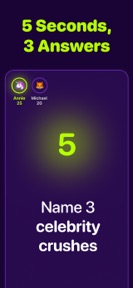
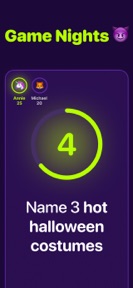
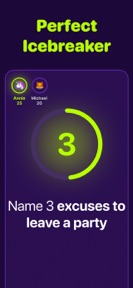
BFF test is a fun game when you are bored. Game that doesn't need wifi. Fun app!


Analysis in progress

Analysis in progress
Customization suite increases user-specific investment
- Privacy-focused design with secure locking mechanisms provides a safe space for personal expression
- Password character limits prevent users from creating sufficiently long or secure entry codes
Distributed across 12 markets, strongest in Europe.
Based on 14 of 28 apps with localized market data, more coverage rolling in as scans complete · last scanned .
Americas (3)
- United States14 / 14
- Brazil9 / 14
- Mexico9 / 14
Europe (7)
- France11 / 14
- Germany10 / 14
- Italy10 / 14
- Spain10 / 14
- Netherlands9 / 14
›+2 more europe markets
- Portugal9 / 14
- Sweden8 / 14
Asia-Pacific (2)
- Japan9 / 14
- South Korea9 / 14
Core markets (14/14 apps)
User Sentiment
How do users feel about their apps?
7
Positive apps
0
Neutral / mixed
1
Negative apps
78/100
Avg sentiment score
Unlock the app dragging this portfolio down.
Access the full report for freeRivals
Who does Ankit Seth compete with?
The rivals identified
Nemeses(3)

EMMO directly competes for the same emotional journaling demographic by prioritizing mood-based visual tracking and a minimalist, private interface.


Both apps target social groups seeking party entertainment, with Insight: Party Game competing directly for the same user base through question-based gameplay modes.


Both apps target gamers and content creators seeking unique digital handles, with SpinXO focusing on cross-platform availability while Nickname Fire prioritizes aesthetic font styling.
Contenders(15)


Both apps target the same gamer demographic seeking custom usernames and text decoration, competing directly for user attention in the username generator category.


This app bridges the gap between task management and journaling, appealing to users who want to track productivity alongside emotions.


Both apps target gamers and social media users with automated username styling tools, creating direct competition for the same user base seeking profile customization.


Both apps target the username generation market, though they utilize different mechanisms: Nickname Fire focuses on aesthetic text decoration for gamers, while Nickname Generator uses personality quizzes for social entertainment.


Both applications target gamers seeking unique usernames, competing directly for the same user base through free, utility-focused name generation tools.

known for Name Generator - Random Names
Both apps target the gaming audience for identity creation, though they differ in focus between visual font styling and cultural name generation.


Diarly is a high-performance contender that offers a more robust, cross-platform experience for serious journalers.


Both apps target gamers seeking stylized usernames and offer free font decoration tools, creating direct competition for the same user base.


Both apps target gamers needing unique usernames to bypass taken-name errors, sharing the same core utility of font and symbol decoration.


Both applications target mobile gamers by providing tools to generate unique usernames and symbols to bypass name-taken errors in popular titles.


This app targets the same security-conscious user base, positioning itself as a digital sanctuary with a focus on goal tracking.


Both apps compete for the same gamer and social media audience by providing tools to generate stylized usernames and profile text.


Both applications target mobile gamers seeking stylized usernames, creating direct competition for users looking to bypass name-taken errors in competitive gaming profiles.


Both applications target the same social party-goer demographic by providing randomized prompts for group entertainment, creating direct competition for the same leisure time.


It competes by offering a card-style interface that simplifies daily entries into bite-sized, visually distinct records.
Same space(24)


This app aggregates multiple party game formats into one interface, serving as a broader social utility for the same group-entertainment audience.


This app serves the same emotional well-being market by providing daily inspiration to complement a user's journaling habit.


This app targets the same user base seeking personalization by replacing the system keyboard to enable font changes across all apps.


It targets the same social icebreaker market but focuses on adult-themed content, creating a specialized niche within the party game category.


This app functions as a direct alternative for users who need to generate stylized text strings for gaming and social media.


Holoholo competes by automating the memory-capture process, reducing the friction of manual journaling.


This tool competes for the same users by offering a library of symbols and fonts to enhance digital communication.


This app targets the same in-person social group demographic by shifting the focus toward collaborative, real-time competitive mini-games.


Visus shares the lifestyle category, focusing on visual expression and goal-oriented planning rather than traditional text entries.


Piary focuses on the visual aspect of daily life, using photo grids to represent time, which overlaps with visual journaling.


This app provides a similar text decoration and symbol tool for users looking to customize their account names.


This app provides similar text styling utilities for social media users, though it adds image-based features.


It competes for the same audience by providing a system-wide keyboard that injects aesthetic fonts into other apps.


It provides a more advanced creative suite for the same audience, bridging the gap between simple generators and design tools.


It serves the same offline-capable party demographic but adds tactile engagement elements to differentiate from standard prompt-based games.


It serves the same productivity niche for users who want to personalize their digital communication with stylized fonts.


This app competes for the same offline-first party audience by bundling multiple games to reduce the need for multiple app downloads.


This app targets the same user intent of customizing chat messages with fancy fonts and text effects.


This legacy utility targets the same audience by providing font generation and decoration tools for social media.


It competes for the same audience by providing Unicode-based styling, though it uses a different monetization model.


It serves the same purpose of upgrading social media bios and gaming usernames with quick text conversion.


This app targets the same user base by offering an instant preview feature for text styling and font changes.


It serves the same audience of social media users who need to transform standard text into stylized formats for profiles and captions.


It focuses on the same core gaming and social media nickname generation use case as the source app.
New entrants(2)


Lore uses AI to transform existing chat logs into stories, offering a novel way to journal without manual writing.


This newcomer disrupts the space by turning daily entries into a 'newspaper' format, gamifying the journaling experience.
