Aptus Speech and Language Therapy
 Articulation Arcade















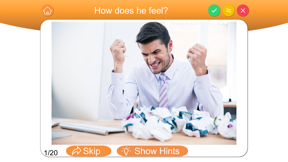
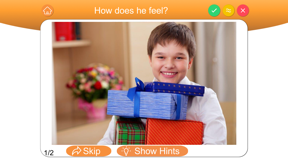


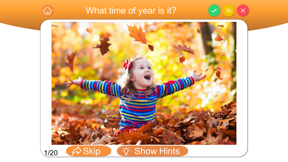


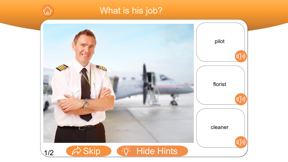


Snapshot


Publisher DNA
What defines Aptus Speech and Language Therapy?
AI intelligence is not yet available for Aptus Speech and Language Therapy. The portfolio data below is up to date.
Portfolio
What does Aptus Speech and Language Therapy ship?
Apps
15 apps analysed
One-off $49.99 purchase model eliminates subscription friction for professional clinics.
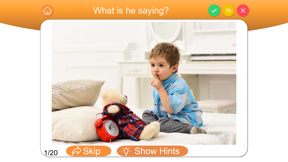
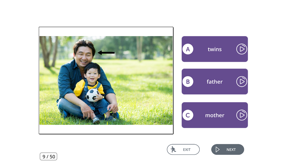
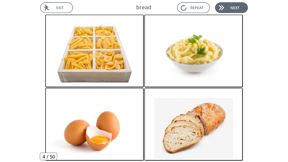
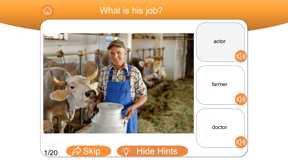
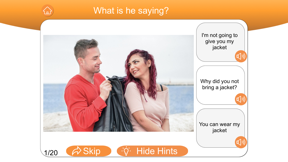
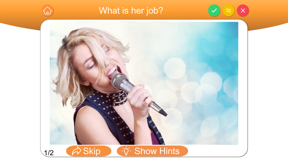
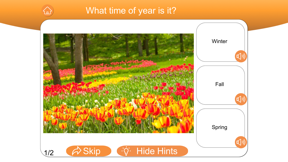
- 1400+ real-life photo library provides high-fidelity visual anchors for speech sound learning.

Real-life photo library increases therapeutic efficacy over cartoon-based competitors
- High-quality, real-life photos

Three-module therapy design targets specific aphasia recovery needs
- Clinical utility for aphasia patients
- Lack of recent updates

200+ conversation prompt library supports independent home practice
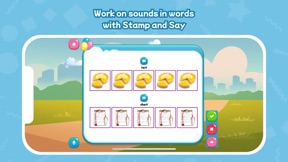
- Visual feedback mechanisms help patients monitor and improve their speech intelligibility during therapy sessions
- Application fails to launch or displays a blank screen upon initial opening for some users

Standardized five-question prompt structure provides consistent clinical outcomes
- Offline-first architecture enables usage in clinical settings without stable Wi-Fi
Single-market publisher, every app ships only to United States.
Based on 14 of 15 apps with localized market data, more coverage rolling in as scans complete · last scanned .
Americas (1)
- United States14 / 14
Core markets (14/14 apps)
User Sentiment
How do users feel about their apps?
5
Positive apps
2
Neutral / mixed
3
Negative apps
61/100
Avg sentiment score
Unlock the app dragging this portfolio down.
Access the full report for freeRivals
Who does Aptus Speech and Language Therapy compete with?
The rivals identified
Nemeses(2)


This app directly competes by gamifying sentence construction and language comprehension, mirroring the core pedagogical goals of Keyword Understanding.


This app competes for the same educational language-acquisition market, targeting users seeking structured, feature-rich tools for linguistic improvement.
Contenders(5)

This app shares the educational category and focuses on content-based learning, challenging Empathy Pics for time-on-app among learners.


It competes for the educational market by using specialized methodologies to teach language fundamentals.


This app targets the listening comprehension segment of the market, overlapping with the target's focus on auditory processing.


It competes for the same language-learning audience by utilizing modern AI to provide interactive speaking practice.


This app shares our educational category and focuses on systematic vocabulary acquisition through gamified review cycles.
Same space(19)


Both apps operate within the professional education and skill-development vertical, targeting users seeking structured, expert-led training modules.


This app competes by offering a structured, card-based approach to language practice that overlaps with the educational goals of speech therapy exercises.


These apps share a target audience of professionals and students seeking specialized, high-stakes educational training tools.


This app competes for the same educational market share by utilizing gamification and structured learning paths to improve user retention.


This app serves the same niche of language learners focusing on foundational character and audio recognition.


This app shares the educational space by using AI to assist with dictation and language practice.


It serves the same user base looking for tools to improve listening comprehension through repetitive audio playback.


This app occupies the same educational niche, focusing on structured language acquisition through flashcard-based repetition.


This app serves the reference needs of language learners, overlapping with our goal of improving linguistic concept understanding.


Both apps target the speech therapy market, specifically focusing on individuals managing speech rate and disfluency patterns.


This app addresses the contextual understanding of language, which is a core component of our embedded concept curriculum.


Both apps leverage structured, game-based learning environments to teach complex conceptual skills to specific age demographics.


While broader in scope, it dominates the educational category with high-frequency content updates that dwarf the target app's niche focus.


Uses conversational AI to teach language, representing a significant technological shift away from the target's manual inference approach.


While focused on visual therapy, it competes for the same 'therapeutic utility' budget and attention span of patients requiring repetitive, guided exercises.


This app competes for the same educational and organizational screen time, though it focuses on institutional content delivery rather than clinical speech therapy.


This app competes for the same clinical user base of speech-language pathologists and patients seeking structured, evidence-based therapy exercises.


It competes for the attention of adult learners seeking structured, repetitive skill-building exercises within the broader Education category.


Elevate occupies the cognitive training space, directly competing for users interested in language, memory, and comprehension improvement.
New entrants(8)


This newcomer disrupts the education space by introducing advanced input technologies that could set a new standard for interactive learning.


This newcomer directly challenges the target's clinical positioning by offering AI-driven speech training.


This newcomer targets the same pediatric education demographic by emphasizing privacy-focused, interactive learning cards that mirror the utility of speech therapy tools.


This newcomer targets the same adult demographic looking for self-improvement in language skills through structured practice.


This app enters the education market with a high-utility focus on professional language training and simulation.


A new entrant in the educational space that focuses on structured, progressive learning loops.


Represents a shift toward comprehensive, service-heavy medical care that could eventually bundle or displace standalone therapy tools.


While in the medical category, it competes for the same professional development and certification-focused audience.