
Caviar
For urban consumers prioritizing high-quality, exclusive, or local restaurant options for delivery and pickup.
 Caviar - Order Food Delivery


Snapshot
Who is Caviar?
Connecting urban consumers with curated, high-end local restaurant delivery. Bridging the gap between premium dining and mobile convenience.
Target audience


Portfolio
Free 1Last updated

Caviar - Order Food Delivery
v8.36.0
17d ago
Publisher DNA
What defines Caviar?
Publisher DNA
Primary focus
Food & Drink delivery
Scale
indie
Target audience
Urban consumers prioritizing high-quality, exclusive, or local restaurant options for delivery and pickup.
Signature Patterns
- •Focus on exclusive, high-end restaurant partnerships
- •Integration with subscription-based delivery services (DashPass)
- •Monetization via per-order delivery fees and subscription models
- •Emphasis on real-time logistics and order tracking
Portfolio momentum
Released 12 updates in the last 6 months for its single active application, indicating a high frequency of maintenance and feature iteration.
Portfolio
What does Caviar ship?
Apps
1 app analysed
Order food delivery or pick up from your favorite local takeout restaurants.

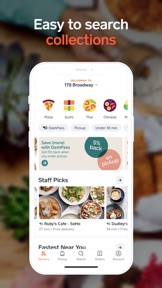

Direct delivery service model provides a reliable experience for users who prioritize food quality
- Diverse restaurant selection provides access to unique local dining options not found on other platforms
- Post-update app instability causes frequent crashes during order tracking and support interaction sessions
Single-market publisher, every app ships only to United States.
Based on 1 of 1 app with localized market data · last scanned .
Americas (1)
- United States1 / 1
Core markets (1/1 apps)
User Sentiment
How do users feel about their apps?
0
Positive apps
0
Neutral / mixed
1
Negative apps
25/100
Avg sentiment score
Rivals
Who does Caviar compete with?
The rivals identified
Nemeses(1)

Both platforms compete for urban food delivery spend, with Caviar targeting premium dining while Slice captures the high-frequency local pizza segment.
Contenders(9)


Both apps compete for the same urban, health-conscious dining demographic, with both platforms suffering from significant technical instability that degrades the ordering experience.


Both platforms compete for urban food delivery spend by targeting diners who prioritize restaurant quality over mass-market convenience. They overlap in the restaurant food ordering category, with Caviar focusing on Michelin-rated curation and ChowNow on commission-free local dining.


Both apps compete for the same urban consumer base by using subscription programs to waive delivery fees and lock in high-frequency users.


DoorDash competes with Caviar by sharing the same DashPass subscription infrastructure and logistics network, forcing Caviar users into the same mass-market fulfillment model.


Foodsby competes for the same urban lunch-hour spend by targeting corporate environments with a bulk-delivery model that removes the individual delivery fees Caviar users pay.


Both platforms target urban residents with restaurant-focused delivery, competing directly for the same high-frequency dining demographic in metropolitan markets.


Both platforms compete for urban food delivery spend, with Postmates offering a broader multi-category inventory that overlaps with Caviar's restaurant-focused delivery service.


Wonder competes with Caviar by targeting urban food consumers with a multi-cuisine consolidation model that challenges Caviar's premium restaurant curation through a zero-fee delivery structure.


Both platforms compete for urban food delivery market share, forcing consumers to choose between Caviar's curated Michelin-rated dining and Zomato's massive restaurant discovery database.
Same space(20)


Bridges the gap between retail and food delivery for the same convenience-seeking commuter audience.


Focuses on the same independent restaurant niche as Caviar but prioritizes transparent pricing over logistics-heavy delivery.


Operates in the same food delivery space by selecting local cafes and restaurants for on-demand delivery.


Targets the same urban food delivery market but focuses on social-ordering tools for group dining in mid-sized cities.


Targets the same busy, health-conscious urban demographic but replaces restaurant delivery with a subscription-based, ready-to-heat meal model.


Serves the same urban convenience-seeking audience but differentiates through a speed-first, micro-fulfillment warehouse model.


Competes for the same restaurant-delivery audience but utilizes a marketplace model with a fee-waiver threshold for group dining.


Serves the same food delivery audience but specializes in authentic Asian cuisine and local restaurant discovery.


Competes for the same food delivery market share in suburban and local restaurant segments.


Competes for the same urban food delivery audience by using aggressive discounts to drive high-frequency usage.


Captures the same convenience-seeking food audience through a direct-to-consumer mobile ordering and loyalty interface.


Serves the same time-constrained food consumer but focuses on automating the curbside pickup workflow rather than delivery.


Offers a similar multi-brand food delivery experience by aggregating various restaurant brands into a single interface.


Targets the same food delivery audience but focuses on a single-brand, high-quality pizza experience.


Addresses the same time-saving need for urban households but focuses on grocery and retail delivery via a personal shopper model.


Provides a similar multi-category delivery solution for food, groceries, and retail goods.


Serves the same urban food consumer base but focuses on high-volume, value-driven transactional ordering rather than premium curation.


Targets the same restaurant-patronizing audience but uses a direct-to-merchant POS integration to avoid aggregator fees.


Targets the same premium, high-end food delivery audience by focusing on Michelin-starred chefs and fine dining.


Operates in the same food delivery marketplace space with a focus on curated merchant selection and urban density.
New entrants(1)


Operates a similar marketplace for local food delivery, connecting restaurants, riders, and consumers.
The Analyst's Read
The bottom line on Caviar
Bottom line
Caviar maintains a strong product-market fit by catering to the premium segment of the food delivery market. Its long-term viability depends on balancing its curated brand positioning with the operational efficiencies of its parent platform.
Frequently asked questions
How many apps does Caviar publish?
What kind of apps does Caviar make?
What is Caviar's top app?
In how many countries are Caviar's apps available?
What fed this analysis
- Apps analyzed:
- 1
- With full intel:
- 1
- With overview:
- 1
- Website scraped:
- yes
- Social presence:
- yes
