


Dodo Brands International DMCC
 Dodo Pizza Delivery





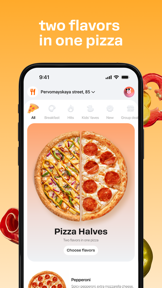
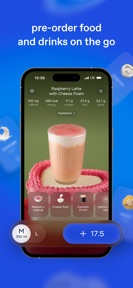




Publisher DNA
What defines Dodo Brands International DMCC?
AI intelligence is not yet available for Dodo Brands International DMCC. The portfolio data below is up to date.
Portfolio
What does Dodo Brands International DMCC ship?
Apps
6 apps analysed

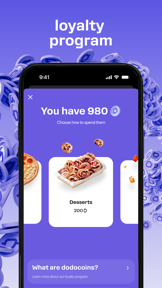
Dodocoins loyalty program drives repeat purchase frequency
- Fast delivery and professional conduct of riders keep customers satisfied with the service quality
- Technical bugs and login failures prevent users from accessing accounts and placing orders
Analysis in progress

Analysis in progress

- Browser-based access removes guest-side download friction

Analysis in progress
Distributed across 12 markets, strongest in Europe.
Based on 3 of 6 apps with localized market data, more coverage rolling in as scans complete · last scanned .
Americas (3)
- United States3 / 3
- Brazil1 / 3
- Mexico1 / 3
Europe (6)
- Germany3 / 3
- France1 / 3
- Italy1 / 3
- Netherlands1 / 3
- Portugal1 / 3
›+1 more europe market
- Spain1 / 3
Asia-Pacific (3)
- Indonesia2 / 3
- Japan1 / 3
- South Korea1 / 3
Core markets (3/3 apps)
User Sentiment
How do users feel about their apps?
1
Positive apps
0
Neutral / mixed
0
Negative apps
65/100
Avg sentiment score
Rivals
Who does Dodo Brands International DMCC compete with?
The rivals identified
Nemeses(1)

Zomato competes for the same urban food-delivery spend by offering a broad restaurant-discovery utility that captures daily meal habits, directly challenging the frequency-based loyalty model of Dodo Pizza Delivery.
Contenders(10)


Both apps compete for the same casual dining and home delivery audience by offering integrated loyalty programs and direct-to-consumer food ordering.


Bolt Food competes for the same casual dining audience by providing on-demand food delivery, directly challenging the market share of Dodo Pizza Delivery in local meal ordering.


Both apps compete for the same urban food delivery audience, with Deliveroo expanding into grocery delivery while Dodo Pizza focuses on specialized pizza fulfillment.


Both apps compete for the same pizza-ordering audience by utilizing direct-to-consumer delivery models and loyalty programs to drive repeat transactions.


Domino's Pizza Delivery UK&ROI competes for the same casual dining audience by offering a custom pizza builder and direct delivery options, mirroring the core utility of Dodo Pizza Delivery.


Both apps compete for the same urban and suburban food delivery audience, forcing Dodo Pizza Delivery to defend its direct-to-consumer model against Just Eat's broad marketplace aggregation.


Both apps compete for the same casual dining audience by offering direct-to-consumer pizza ordering with integrated loyalty programs and real-time tracking.


Both apps compete for the same fast-food delivery market, utilizing loyalty programs and pizza builders to drive repeat orders.


Wolt competes for the same urban food delivery audience by offering multi-category logistics that overlap directly with the core pizza delivery service provided by Dodo.


Both apps compete for the same casual dining market by offering direct-to-consumer food delivery and pickup services.
Same space(20)


7NOW serves the same convenience-focused audience, leveraging 7-Eleven's physical retail footprint for 30-minute delivery.


DoorDash serves the same urban and suburban demographic as Dodo Pizza, but uses a massive network of 310,000+ restaurant menus to capture broader food and retail spending.


Factor_ targets the same busy, health-conscious audience, using a subscription model for chef-crafted meals that bypasses active cooking.

known for
Foodpanda serves similar urban consumers across 11 Asian markets, using a subscription-based loyalty model to drive repeat transactions.


Greggs App targets the same frequent-customer base, using a digital stamp card to incentivize physical store transactions.


HungerStation serves the same multi-category delivery audience in Saudi Arabia, using a massive merchant network to maintain market position.


Jack in the Box targets the same fast-food audience, using a dedicated loyalty club to incentivize direct mobile ordering.


Fantuan Delivery targets the same Asian-cuisine-focused audience, offering a curated selection of local restaurants for delivery and pickup.


KFC US targets the same fast-food audience, using a digital loyalty program to drive repeat ordering and bypass in-store wait times.


Nando's UK targets the same food-ordering audience, using a specific loyalty card mechanism to drive repeat purchases.


PedidosYa targets the same convenience-seeking audience in Latin American markets, offering a similar multi-category delivery model for restaurants and pharmacies.


Pret A Manger targets the same food and drink audience, using a subscription membership to drive daily repeat visits.


Rappi serves the same convenience-focused audience in Latin America, offering a wide variety of delivery options from restaurants to pharmacy essentials.


Snoonu serves the same multi-category delivery audience in Qatar, Kuwait, and Oman, acting as a super-app for various daily needs.


SONIC Drive-In competes for the same daily-visit fast-food audience by using an integrated rewards-to-transaction loop for physical stall pickup.


Sushi Shop targets the same convenience-focused diners, using a loyalty program and artist collaborations to differentiate its delivery service.


Talabat targets the same high-frequency food delivery audience in the Middle East, utilizing co-branded financial partnerships to drive loyalty.


Trendyol Go targets the same urban consumers, using a consolidated interface to manage food and grocery delivery alongside local shop orders.


Uber Eats competes for the same delivery-reliant users by leveraging the existing Uber authentication and payment infrastructure to reduce friction.


Wonder targets the same family-oriented audience, using proprietary food robotics to consolidate multi-cuisine orders into a single delivery.
