


Harman International Industries
For owners of JBL wireless headphones and portable speakers seeking advanced audio customization and device management.
 JBL Headphones


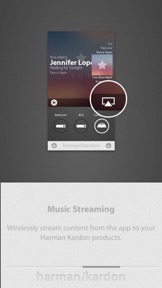


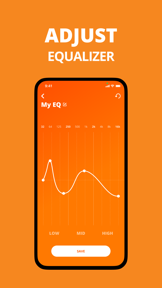


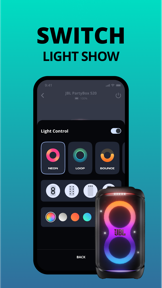


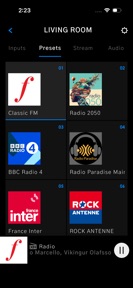







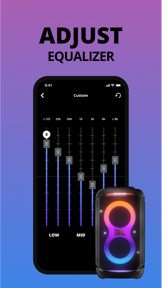
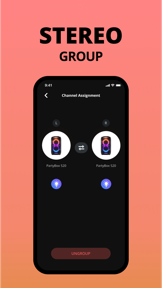


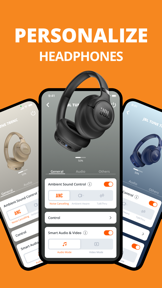
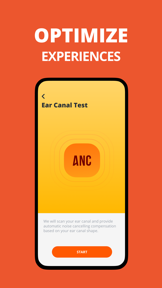



Snapshot
Who is Harman International Industries?
Providing seamless mobile control and audio customization for owners of JBL's professional and consumer hardware ecosystems.
Target audience


Portfolio
Free 13Last updated

JBL Headphones
v5.35.12
8mo ago
Publisher DNA
What defines Harman International Industries?
Publisher DNA
Primary focus
Hardware companion apps for audio devices
Scale
indie
Target audience
Owners of JBL wireless headphones and portable speakers seeking advanced audio customization and device management.
Signature Patterns
- •Hardware-tethered utility model requiring specific JBL device ownership
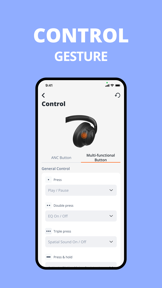
- •Focus on Digital Signal Processing (DSP) features including custom EQ and noise cancellation
- •Consistent 100% free pricing strategy with no monetization via ads or IAP
- •Frequent maintenance cadence focused on firmware updates and software stability
- •Niche focus on the Music category to support the parent company's core audio business
Portfolio momentum
Maintained an active development cycle with 9 updates across the 3-app portfolio in the last 6 months, ensuring consistent firmware support.
Portfolio
What does Harman International Industries ship?
Apps
13 apps analysed

Analysis in progress

Analysis in progress

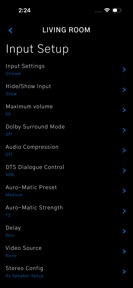
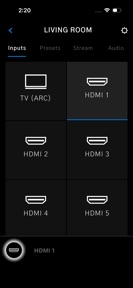
- Direct hardware-level control for legacy AVR and home theater systems

Analysis in progress

Analysis in progress
Single-market publisher, every app ships only to United States.
Based on 8 of 13 apps with localized market data, more coverage rolling in as scans complete · last scanned .
Americas (1)
- United States8 / 8
Core markets (8/8 apps)
User Sentiment
How do users feel about their apps?
0
Positive apps
1
Neutral / mixed
3
Negative apps
35/100
Avg sentiment score

Unlock the app dragging this portfolio down.
Access the full report for freeRivals
Who does Harman International Industries compete with?
The rivals identified
Nemeses(4)


This app acts as a centralized utility for LG audio hardware, mirroring the device management function of JBL One.


Both applications function as brand-specific hardware management utilities, targeting users who require remote control and sound customization for their respective Bluetooth audio devices.


Both apps function as proprietary hardware-management utilities for their respective audio brands, competing for the same user base of portable speaker owners who require firmware updates and device-specific configuration.


Both apps function as the primary hardware management interface for their respective Bluetooth audio devices, competing for the same user base of portable speaker and headphone owners.
Contenders(15)


This app targets professional audio users with complex mixing needs, whereas JBL Portable focuses on consumer-grade speaker management.


The rival competes by consolidating headphone and speaker management into a single interface, directly overlapping with the speaker-only scope of the source app.


Both applications target users managing Bluetooth audio hardware, with Speaker Headphones Connect offering a broader scope for non-JBL devices via AirPlay and Bluetooth connectivity.


Both apps function as proprietary hardware-management utilities for Bluetooth audio devices, competing for the same user base of portable speaker and headphone owners who require firmware updates and sound profile adjustments.


Both applications serve as the primary control interface for proprietary audio hardware, forcing users to choose between JBL and Sony hardware ecosystems for device management.


Both apps compete for control of Bluetooth and Wi-Fi speaker environments, targeting users who manage audio playback and device settings from a smartphone.


Both apps target wireless speaker owners by providing centralized control, device discovery, and music streaming management over local networks.


JBL One targets the same hardware user base but expands to Wi-Fi speakers and soundbars, creating a broader management utility that overlaps with JBL Portable's core speaker control functionality.


Both apps function as hardware-management utilities for specific audio brands, targeting users who need to manage firmware and device settings for their respective hardware.


Both apps compete for control over Bluetooth and Wi-Fi speaker playback, targeting users who manage audio hardware through mobile interfaces.


Both apps function as proprietary hardware-management utilities for portable Bluetooth speakers, competing for the same user base of multi-speaker owners.


Both applications function as mandatory hardware-management utilities for their respective outdoor speaker brands, requiring users to interact with them for firmware maintenance and device configuration.


Both applications function as mobile control interfaces for Bluetooth audio hardware, targeting users who require remote management of speaker settings and playback.


Both apps function as essential hardware-companion utilities for audio device management, competing for the same user base of headphone owners seeking EQ customization and device pairing control.


Both apps target users seeking to control audio hardware via mobile devices, with overlapping functionality in local library playback and speaker connectivity.
Same space(21)


This app functions as a cross-brand music aggregator, contrasting with JBL Portable's single-brand hardware focus.


This third-party controller targets Sonos and Bluetooth speaker owners, offering an alternative to official manufacturer apps.


AmpMe provides multi-device audio synchronization, serving as a social-first alternative for users who want to amplify sound beyond a single JBL PartyBox speaker.


This app functions as a general-purpose audio management tool for Bluetooth speakers, providing a broader compatibility layer than the JBL-exclusive PartyBox app.


This app provides configuration tools for Audio-Technica products, offering a similar device-management utility to the JBL PartyBox app for a different hardware brand.


This app provides remote management for marine audio systems, targeting a specialized hardware segment distinct from consumer portable speakers.


This app competes for the same user attention by offering advanced audio processing that supplements the native EQ settings found in JBL Headphones.


This app manages lighting and audio for specific smart speaker lamps, extending the control utility beyond pure audio settings found in the JBL PartyBox app.


This app targets the same hardware-focused audience as JBL Headphones, but shifts the value from device management to generic audio amplification.


This app acts as a universal utility for users who own multiple brands, including JBL, offering a broader management layer than the single-brand JBL app.


This app attempts to solve Bluetooth connectivity issues, a primary pain point for JBL Portable users.


This app configures Lithe Audio Bluetooth speakers, offering similar hardware setup features to JBL One.


Technics Audio Connect offers device-specific management and sound customization for Technics hardware, functioning as a brand-exclusive utility like the JBL PartyBox app.


This app provides a generic control interface for wireless speakers, competing for the same home audio management use case.


This app functions as a regional retail catalog for JBL car audio, serving a different segment than the portable speaker utility.


Sonos functions as a high-retention hardware controller that mirrors the dependency JBL users have on their app for device-specific calibration.


This app provides similar Bluetooth management and EQ customization for a different hardware brand.


This app serves as a motion-sensing controller for console games, providing a hardware-free input bridge that complements audio-centric apps like JBL PartyBox in a home entertainment setup.


This app serves as a functional alternative for users who need live microphone access, which overlaps with the voice-related utility of JBL hardware.


This app manages Yamaha soundbar hardware, serving a similar niche for home audio control as JBL One.


This app acts as a remote control for boombox hardware, overlapping with JBL Portable's basic speaker management features.
The Analyst's Read
The bottom line on Harman International Industries
Bottom line
Harman successfully leverages mobile software to increase the value proposition of its physical audio hardware. Their high weighted 4.67★ rating signals a successful execution of a hardware-plus-software ecosystem strategy that prioritizes utility over direct app monetization.
Frequently asked questions
How many apps does Harman International Industries publish?
What kind of apps does Harman International Industries make?
What is Harman International Industries's top app?
In how many countries are Harman International Industries's apps available?
What fed this analysis
- Apps analyzed:
- 3
- With full intel:
- 0
- With overview:
- 3
- Website scraped:
- yes
- Social presence:
- yes