Learning Touch
For parents and caregivers of toddlers and young children in the early stages of language and motor skill development.
 First Words Sampler



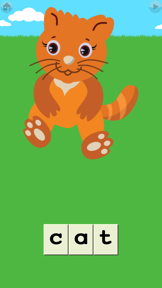


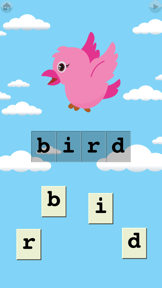


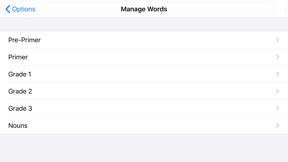


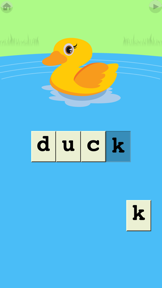

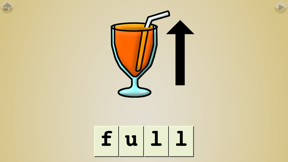
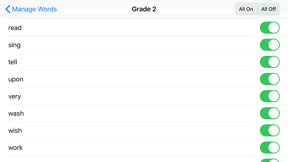
Snapshot
Who is Learning Touch?
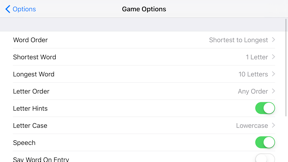
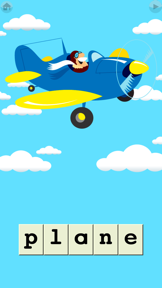
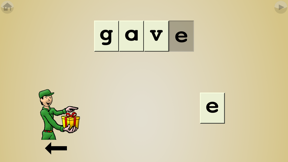
Helping toddlers and young children develop early literacy and motor skills through interactive, multilingual spelling exercises.
Target audience


Portfolio
Free 1Last updated

First Words Sampler
v8.2
3.6y ago
Publisher DNA
What defines Learning Touch?
Publisher DNA
Primary focus
Early childhood education and literacy
Scale
indie
Target audience
Parents and caregivers of toddlers and young children in the early stages of language and motor skill development.
Signature Patterns
- •Focus on early literacy and phonics for the toddler demographic
- •Paid monetization model avoiding in-app purchases or advertisements
- •Multilingual support across English, French, German, Japanese, and Spanish
- •Interactive tactile mechanics designed for motor skill development
Portfolio momentum
The publisher has released zero updates in the last six months and their sole portfolio title is currently classified as abandoned.
Portfolio
What does Learning Touch ship?
Apps
10 apps analysed

Analysis in progress

Analysis in progress


Analysis in progress

Analysis in progress
Single-market publisher, every app ships only to United States.
Based on 5 of 10 apps with localized market data, more coverage rolling in as scans complete · last scanned .
Americas (1)
- United States5 / 5
Core markets (5/5 apps)
User Sentiment
How do users feel about their apps?
1
Positive apps
0
Neutral / mixed
0
Negative apps
65/100
Avg sentiment score

Rivals
Who does Learning Touch compete with?
The rivals identified
Nemeses(1)


Both apps compete for the 2-5 age demographic by offering ad-free educational content, forcing parents to choose between a flat-fee model and a high-friction freemium funnel.
Contenders(8)


Both apps compete for the same preschool demographic by offering interactive educational content, forcing a choice between a focused spelling tool and a broad curriculum-based game.


Both apps target the early childhood education market, competing for the same toddler demographic through interactive literacy and alphabet-based learning activities.


It occupies the same preschool learning space but differentiates through a 3D character guide and broader subject coverage.


Users report: Both apps compete for the same early childhood education audience, specifically targeting toddlers and young children through interactive literacy and motor skill exercises.


Both apps target the early childhood education segment, competing for the same toddler demographic through interactive learning activities.

known for Educational games kids 2-3-4-5
Both apps target the same toddler demographic for early childhood development, forcing parents to choose between literacy-focused spelling exercises and general cognitive sorting games.


Both apps target the 3-6 age demographic for early literacy, creating direct competition for parents seeking educational tools for toddlers.


Both apps target toddlers and preschoolers with phonics-based literacy content, creating direct competition for parents seeking early childhood education tools.
Same space(12)


This app offers a similar visual-based vocabulary learning experience for the same early-learner demographic.


This app provides a similar spelling-focused experience but targets a wider age range including adults through level-based challenges.


It shares the animal theme but shifts the focus from literacy to jigsaw puzzle-based creative play.


It targets the same educational niche but leverages B2B classroom integration to secure a distribution channel that consumer-facing apps lack.


This app focuses on the same animal-themed vocabulary learning but centers the content on African safari creatures.


This app competes for the same parent demographic by offering a more extensive, multi-subject curriculum that extends beyond simple animal vocabulary.


It targets the same preschool literacy market but uses a train-themed, ad-free premium model to attract parents.


This app captures the same preschool audience through open-ended role play rather than structured literacy drills.


This app serves the same early-childhood English vocabulary learning segment through a simplified spelling game.


It serves the same literacy-focused audience but scales the experience through a broader, game-based curriculum for elementary students.


This app provides a similar spelling practice experience but includes voice-based feedback to correct user input.


It shares the animal-themed trivia space but uses a coin-based hint system to gamify the discovery process.
The Analyst's Read
The bottom line on Learning Touch
Bottom line
Learning Touch is a legacy educational publisher with a single, well-regarded title that has remained static for several years. While the content shows historical product-market fit, the lack of recent updates indicates a dormant portfolio rather than an active competitor in the current EdTech market.
Frequently asked questions
How many apps does Learning Touch publish?
What kind of apps does Learning Touch make?
What is Learning Touch's top app?
In how many countries are Learning Touch's apps available?
What fed this analysis
- Apps analyzed:
- 1
- With full intel:
- 0
- With overview:
- 1
- Website scraped:
- yes
- Social presence:
- no