


Education Shed
For primary and elementary school students, teachers, and parents seeking research-backed, curriculum-aligned supplemental practice.
 Spelling Shed





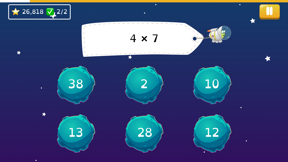

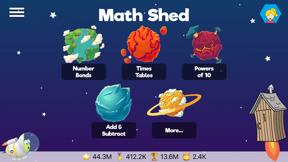


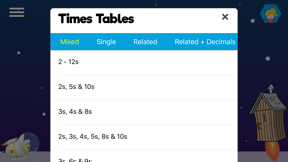
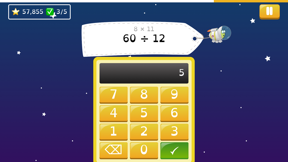

Snapshot
Who is Education Shed?
Providing teacher-designed, gamified literacy and numeracy tools to bridge the gap between classroom instruction and home practice for primary students.
Target audience


Portfolio
Free 3Last updated

Spelling Shed
v2.0.3
4mo ago
Publisher DNA
What defines Education Shed?
Publisher DNA
Primary focus
Gamified primary education and literacy tools
Scale
indie
Target audience
Primary and elementary school students, teachers, and parents seeking research-backed, curriculum-aligned supplemental practice.
Origin
Developed by a team of teachers to create a digital platform that bridges the gap between traditional classroom instruction and digital gameplay.
Signature Patterns
- •Curriculum-aligned content designed by professional educators
- •Gamified learning mechanics including 'Hive Games' and 'Mastery Zones'
- •Inclusive design features such as dyslexia-friendly interfaces
- •Hybrid monetization using both free access and school-focused subscription tiers
- •Visual branding centered around the 'Shed' ecosystem (Spelling Shed, Math Shed, Phonics Shed)
Portfolio momentum
Maintains a steady development cycle with 3 updates across its portfolio in the last 6 months, focusing on its core active titles.
Portfolio
What does Education Shed ship?
Apps
4 apps analysed

Offline-first functionality removes connectivity barriers in classroom environments.
- Pedagogical authority of EdShed drives adoption across 170,000 educator accounts.

Evidence-based spelling curriculum drives 80% improvement in student results
- Teacher-led classroom management integration creates B2B distribution moat

Distributed across 20 markets, strongest in Europe.
Based on 2 of 4 apps with localized market data, more coverage rolling in as scans complete · last scanned .
Americas (4)
- United States2 / 2
- Brazil1 / 2
- Canada1 / 2
- Mexico1 / 2
Europe (9)
- France1 / 2
- Germany1 / 2
- Italy1 / 2
- Netherlands1 / 2
- Portugal1 / 2
›+4 more europe markets
- Spain1 / 2
- Sweden1 / 2
- Turkey1 / 2
- United Kingdom1 / 2
Asia-Pacific (7)
- Australia1 / 2
- India1 / 2
- Indonesia1 / 2
- Japan1 / 2
- Singapore1 / 2
›+2 more asia-pacific markets
- South Korea1 / 2
- Vietnam1 / 2
Core markets (2/2 apps)
Rivals
Who does Education Shed compete with?
The rivals identified
Nemeses(1)

Spell It competes by offering a free, consumer-facing alternative for spelling practice that targets the same user base seeking word list mastery. Its zero-cost entry point creates a friction-free alternative for parents and students who do not require the teacher-led classroom management tools of Spelling Shed.
Contenders(5)


Both apps target parents and teachers needing digital spelling practice, but Spelling Notebook captures the consumer segment via a free-to-use model that removes the $2.99 entry barrier present in Spelling Shed.


Both apps compete for early literacy screen time, but Learn to Read - Spelling Games captures price-sensitive consumer segments with a free model, while Spelling Shed relies on B2B curriculum integration to reach students.


Both applications target English spelling improvement, but VocabMaster uses a free-to-play model to capture casual learners while Spelling Shed targets classroom integration via a paid entry model.


Both apps target the early literacy market, forcing Spelling Shed to compete for parent attention against a free, parent-led phonics curriculum. The overlap in target audience creates a direct conflict for household screen time and educational budget.


Twinkl Spelling Bee Word Games competes for the same primary education audience by offering curriculum-aligned spelling practice that directly challenges the $2.99 entry price of Spelling Shed.
Same space(20)


Babbel provides professional-grade curriculum content that competes for the same academic-focused student demographic.


Keiki provides active school-readiness tools that compete for the same early childhood educational screen time.


cabuu uses textbook partnerships to capture the same secondary education market for vocabulary training.


ClassDojo dominates the teacher-parent communication channel used by the same school communities.


Duolingo captures student attention through gamified habit loops that compete with the source app for daily study time.


Photomath provides instant homework help that captures the same student study time as the source app.


IXL provides a comprehensive curriculum that covers the same subjects as the source app.


Kahoot! competes for classroom screen time by using live-hosting engagement mechanics that draw students away from individual spelling drills.


Kiddopia captures early childhood literacy time with licensed content that competes for the same parent-led subscriptions.


Lingokids captures early literacy screen time with edutainment content that serves the same preschool demographic.


Lingvano provides niche language learning that competes for the same educational budget and student time.


Minecraft Education serves as an institutional sandbox that competes for classroom engagement through game-based learning.


phase6 offers textbook-aligned vocabulary training for the same student demographic as the source app.


Pok Pok offers open-ended play that competes for younger student attention by avoiding traditional academic drills.


Quizlet offers study utility that overlaps with spelling practice by providing flashcard-based content for K-12 students.


Seesaw serves as a primary classroom tool for instruction and assessment in elementary schools.


Smartick offers personalized math training that competes for the same daily study window as the source app.


SplashLearn provides supplemental math and reading practice for the same age range as the source app.


Elevate competes for the same cognitive-improvement-focused student demographic through daily training exercises.


Math Makers uses physics-based puzzles to teach logic, competing for the same educational screen time.
The Analyst's Read
The bottom line on Education Shed
Bottom line
Education Shed is a specialized ed-tech publisher that successfully leverages pedagogical expertise to create high-utility learning tools. Their strength lies in curriculum alignment and accessibility, making them a resilient niche player in the primary education sector.
Frequently asked questions
How many apps does Education Shed publish?
What kind of apps does Education Shed make?
What is Education Shed's top app?
In how many countries are Education Shed's apps available?
What fed this analysis
- Apps analyzed:
- 3
- With full intel:
- 1
- With overview:
- 3
- Website scraped:
- yes
- Social presence:
- yes
