
Lernin Games
 Kokoro Kids Learning Games 3-5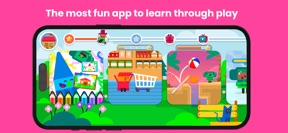





Publisher DNA
What defines Lernin Games?
AI intelligence is not yet available for Lernin Games. The portfolio data below is up to date.
Portfolio
What does Lernin Games ship?
Apps
1 app analysed
Adaptive AI creates a personalized learning path that increases session depth
- Interactive and educational minigames provide high engagement for children during their daily play sessions
- Subscription paywalls trigger unexpectedly after a few sessions, frustrating users who expected a free experience
Distributed across 6 markets, strongest in Americas.
Based on 1 of 1 app with localized market data · last scanned .
Americas (3)
- Brazil1 / 1
- Mexico1 / 1
- United States1 / 1
Europe (3)
- France1 / 1
- Portugal1 / 1
- Spain1 / 1
Core markets (1/1 apps)
User Sentiment
How do users feel about their apps?
0
Positive apps
0
Neutral / mixed
1
Negative apps
35/100
Avg sentiment score
Rivals
Who does Lernin Games compete with?
The rivals identified
Nemeses(2)

Users report: Both applications target the early childhood education segment for children aged 1 to 6, competing for parents seeking curriculum-based math and literacy tools for school readiness.


known for Preschool Games for Toddler 2+
Both applications target the 2-5 age demographic with expert-led educational mini-games, creating direct competition for parental screen-time budgets.
Contenders(12)


Both applications target the early childhood education market, competing for parents seeking supplemental learning tools for children aged two to eight.

known for MentalUP - Kids Learning Games
MentalUP competes for the same early childhood education audience by offering a broader age range of 4-13 and integrating physical fitness exercises alongside cognitive games.


Users report: Both applications target the early childhood education market for children aged 3 to 7, competing for parental attention through game-based learning and curriculum-aligned activities.


Both applications target the early childhood education segment with free-to-play models, competing for the same preschool-aged user base.


Both applications target the early childhood education segment with overlapping curricula in math, literacy, and creative activities, competing for the same parent and toddler user base.


Both applications target the early childhood education market with free, game-based curricula for preschool and kindergarten-aged children. They compete directly for parents seeking supplemental learning tools for children between the ages of two and seven.


Both apps target the early childhood education market with free, ad-free models, directly competing for the same parent demographic seeking screen time that prioritizes developmental learning.


Both apps target the preschool educational market with curriculum-based activities, creating direct competition for daily active time among parents seeking early childhood development tools.

known for Educational games kids 2-3-4-5
Both applications target the same early childhood education demographic with free, psychologist-backed, game-based learning content.


Both applications target the early childhood education segment with curriculum-aligned game libraries, creating direct competition for daily screen time among children aged 2-8.


Both applications target the 3-6 age demographic with free educational content, competing directly for time in early childhood learning routines.


Both apps target early childhood education with overlapping math and logic content, competing for the same parent-driven download decision in the educational app category.
Same space(5)


Users report: This platform targets the same preschool demographic as Kokoro Kids by providing interactive content for children aged 2 to 4.


ANTON serves as a free, curriculum-aligned alternative for K-8 students, competing for the same educational screen time as Kokoro Kids.


This app shares the early literacy focus of Kokoro Kids but restricts its functionality to vocabulary and pronunciation development.


Sago Mini World occupies the premium preschool space by offering open-ended creative play as a digital alternative to Kokoro Kids.


Users report: ABC Kids targets the same preschool demographic as Kokoro Kids by focusing on foundational literacy skills through interactive tracing.