

Little Caesar Enterprises
For value-conscious consumers prioritizing speed and convenience, alongside corporate event attendees.
 Little Caesars Pizza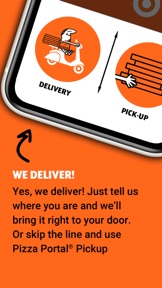


Snapshot
Who is Little Caesar Enterprises?
Streamlining the pizza ordering experience through integrated hardware and digital tools. Providing value-conscious customers with a frictionless path to pickup and delivery.
Target audience


Portfolio
Free 2Last updated

Little Caesars Pizza
v26.7.0
5mo ago
Publisher DNA
What defines Little Caesar Enterprises?
Publisher DNA
Primary focus
Food & Drink ordering and corporate event management
Scale
indie
Target audience
Value-conscious consumers prioritizing speed and convenience, alongside corporate event attendees.
Origin
Founded by Mike Ilitch and Marian Bayoff in the 1950s, evolving from a single store to a global chain.
Signature Patterns
- •Integration of proprietary hardware (Pizza Portal®) for order fulfillment
- •Gamified user experience through 'Little Caesars Challenges'
- •Free-to-use model focused on direct food sales rather than subscription revenue
- •Clear separation between consumer-facing retail apps and internal business tools
Portfolio momentum
Released 8 updates across 2 apps in the last 6 months with both titles receiving recent maintenance, indicating an active development cycle.
Portfolio
What does Little Caesar Enterprises ship?
Apps
2 apps analysed

High-volume user base (1.3M+ ratings)
- Ease of Use
- Food Preparation Quality
User Sentiment
How do users feel about their apps?
0
Positive apps
1
Neutral / mixed
0
Negative apps
52/100
Avg sentiment score
Rivals
Who does Little Caesar Enterprises compete with?
The rivals identified
Nemeses(1)

Both apps compete for value-conscious pizza consumers by offering digital-first ordering and loyalty programs, with Domino's Pizza USA directly challenging the market share of Little Caesars Pizza through high-frequency delivery and carryout services.
Contenders(10)


Both apps compete for value-conscious pizza consumers by prioritizing mobile-first ordering and loyalty-driven retention mechanisms.


Domino's competes for the same value-conscious pizza consumer by offering a similar digital ordering flow for both delivery and takeaway. The overlap in core ordering functionality forces a direct choice between the two platforms for local food acquisition.


Both applications compete for the same value-conscious pizza consumer by providing digital ordering, customization tools, and promotional incentives. They overlap directly in the food delivery and takeaway category.


Both apps compete for the same value-conscious, high-frequency quick-service restaurant customer by using mobile-ordering and loyalty-based retention loops to drive store visits.

known for
Both apps compete for the same value-conscious fast-food consumer base, utilizing gamified loyalty programs to drive repeat orders within the mobile ordering category.


Both apps compete for the same value-conscious pizza delivery and carryout audience, utilizing loyalty-driven retention loops and mobile-first ordering to capture repeat transactions.


Both apps compete for value-conscious pizza consumers by offering digital ordering and loyalty-driven retention mechanisms.


Both apps compete for the same value-conscious pizza consumer, sharing a core transactional model centered on delivery and takeout ordering.


Slice competes for the same value-conscious pizza consumer by aggregating local pizzerias into a single ordering platform, directly challenging the digital order volume of Little Caesars Pizza.


Both apps compete for the same time-sensitive, value-conscious consumer segment by prioritizing in-app ordering to bypass physical queues at restaurant locations.
Same space(20)


7-Eleven targets the same commuter and convenience-seeking audience as Little Caesars, utilizing a hybrid loyalty and subscription model to drive repeat foot traffic.


Arby’s competes for the same fast-food ordering audience as Little Caesars, using a loyalty program to incentivize repeat purchases across multiple fulfillment channels.


McDonald’s uses a loyalty-driven ordering app to capture the same fast-food segment as Little Caesars, focusing on points-based rewards and mobile-ahead pickup.


Bolt Food offers a logistics-focused delivery experience that mirrors the convenience-first ordering flow of Little Caesars for local restaurant meals.


Buffalo Wild Wings targets the same high-frequency dining audience as Little Caesars, using gamified loyalty tiers to drive repeat visits and engagement.


Burger King UK competes for the same fast-food ordering audience as Little Caesars, using exclusive vouchers and rewards to drive digital sales.


Checkers & Rally's Rewards competes for the same fast-food audience as Little Caesars, using order-ahead capabilities to provide a faster alternative to drive-thru lines.


Del Taco targets the same frequent-diner audience as Little Caesars, using a tiered loyalty program to incentivize repeat visits through digital promotions.


Flashfood targets the same value-conscious grocery and food-buying audience as Little Caesars, focusing on discounted items to drive store traffic.


foodora serves as a local delivery and takeaway platform that targets the same meal-ordering occasions as Little Caesars in urban markets.

known for
Foodpanda competes for the same urban, on-demand meal-ordering habit as Little Caesars, utilizing a subscription-based loyalty model to drive repeat transactions.


Jack in the Box targets the same fast-food ordering audience as Little Caesars, using a loyalty program to drive repeat digital transactions.


Just Eat acts as a broad utility aggregator for UK consumers, competing for the same meal-delivery occasions as Little Caesars but with a wider product surface area.


Keeta competes for the same urban on-demand food-delivery audience as Little Caesars, relying on promotional pricing to drive initial user acquisition.


Murphy Drive Rewards competes for the same retail-traffic audience as Little Caesars, using a fuel-discount utility to force a high-frequency usage habit.


PedidosYa provides a regional delivery alternative for consumers in Latin America, focusing on the same on-demand meal and grocery fulfillment as the broader pizza delivery space.


SONIC Drive-In targets the same fast-food convenience-seeking audience as Little Caesars, using a specialized mobile-ordering flow to integrate rewards with physical drive-in stalls.


Uber Eats serves as a high-frequency delivery marketplace that captures the convenience-seeking audience Little Caesars targets, though it relies on a broader multi-category logistics network.


White Castle targets the same fast-food audience as Little Caesars, using a gamified quest system to drive repeat digital orders.


Wolt Delivery competes for the same urban, on-demand food-ordering audience as Little Caesars, utilizing a subscription-based logistics model to increase order frequency.
The Analyst's Read
The bottom line on Little Caesar Enterprises
Bottom line
Little Caesars maintains a highly functional, utility-driven app ecosystem that successfully bridges the gap between digital ordering and physical retail. Their ability to maintain a high rating on a massive volume of reviews suggests strong product-market fit for their core value-conscious demographic.
Frequently asked questions
How many apps does Little Caesar Enterprises publish?
What kind of apps does Little Caesar Enterprises make?
What is Little Caesar Enterprises's top app?
What fed this analysis
- Apps analyzed:
- 2
- With full intel:
- 1
- With overview:
- 2
- Website scraped:
- yes
- Social presence:
- yes
