


BOLT TECHNOLOGY OU
For urban commuters seeking affordable transport and gig-economy workers looking for flexible income through driving or delivery.
 Bolt: Request a Ride

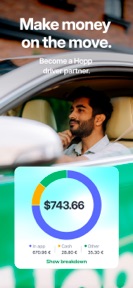


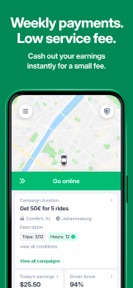


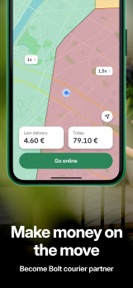
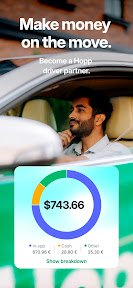


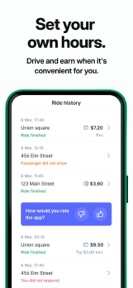


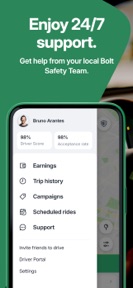


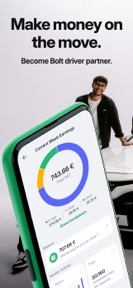




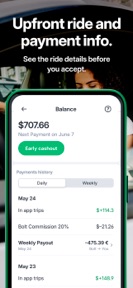


Snapshot
Who is BOLT TECHNOLOGY OU?
Providing a multi-modal mobility ecosystem integrating ride-hailing, micro-mobility, and delivery for urban commuters and gig workers.
Target audience


Portfolio
Free 15Last updated

Bolt: Request a Ride
vCA.209.0
5mo ago
Publisher DNA
What defines BOLT TECHNOLOGY OU?
Publisher DNA
Primary focus
Multi-modal mobility and delivery platform
Scale
indie
Target audience
Urban commuters seeking affordable transport and gig-economy workers looking for flexible income through driving or delivery.
Signature Patterns
- •Dual-sided marketplace strategy with dedicated apps for both service consumers and gig-economy providers.
- •Heavy emphasis on safety toolkits and real-time tracking features across all mobility and delivery titles.
- •Rapid release cadence with frequent updates to maintain operational reliability in high-concurrency environments.
- •Integration of micro-mobility (scooters/bikes) as a first-class citizen alongside traditional ride-hailing.
Portfolio momentum
Released 36 updates across 9 apps in the last 6 months with the most recent major release occurring 11 days ago.
Portfolio
What does BOLT TECHNOLOGY OU ship?
Apps
15 apps analysed


Commission-based model undercuts category-standard take rates
- The core ride management interface provides a straightforward and efficient experience for daily driver tasks
- Payment processing failures and withdrawal friction create significant financial anxiety for the driver community

Analysis in progress

Low operational overhead in emerging markets
- Reliable delivery service and frequent promotional offers provide value for budget-conscious users
- Automated customer support systems fail to resolve delivery errors or provide timely refunds

Deliver with Bolt Food. Earn money, be your own boss, and deliver when you want.


Distributed across 20 markets, strongest in Europe.
Based on 4 of 15 apps with localized market data, more coverage rolling in as scans complete · last scanned .
Americas (4)
- United States4 / 4
- Brazil3 / 4
- Mexico2 / 4
- Canada1 / 4
Europe (9)
- France3 / 4
- Portugal3 / 4
- Germany2 / 4
- Italy2 / 4
- Netherlands2 / 4
›+4 more europe markets
- Spain2 / 4
- Sweden2 / 4
- Turkey1 / 4
- United Kingdom1 / 4
Asia-Pacific (7)
- Australia1 / 4
- India1 / 4
- Indonesia1 / 4
- Japan1 / 4
- Singapore1 / 4
›+2 more asia-pacific markets
- South Korea1 / 4
- Vietnam1 / 4
Core markets (4/4 apps)
User Sentiment
How do users feel about their apps?
0
Positive apps
2
Neutral / mixed
2
Negative apps
43/100
Avg sentiment score
Unlock the app dragging this portfolio down.
Access the full report for freeRivals
Who does BOLT TECHNOLOGY OU compete with?
The rivals identified
Nemeses(5)


Bird maintains the largest global footprint and user base in the micro-mobility sector, serving as the primary benchmark for scooter-sharing market penetration.


Both apps compete for the same on-demand food delivery audience, with Bolt Food acting as a multi-restaurant aggregator while Pizza Hut serves as a direct-to-consumer channel for its own menu.


Both platforms target urban consumers with on-demand meal and grocery delivery, competing directly for high-frequency users through subscription-based fee waivers.


Bolt and Savaari compete for the Indian ground transport market by targeting travelers who require reliable airport and outstation transfers. Both platforms overlap in their service of individual and corporate passengers seeking ground transport solutions.


Both apps compete for urban commuters in the ride-hailing market, with inDrive directly challenging Bolt's fixed-price algorithms through a peer-to-peer bidding model.
Contenders(32)


Both apps compete for urban consumers via mobility-app cross-sell and on-demand delivery, creating direct overlap in user acquisition and retention strategies.


Both platforms compete for urban consumers seeking on-demand restaurant and grocery delivery, sharing a core marketplace model for local fulfillment.


Both platforms compete for urban consumers seeking immediate food and grocery fulfillment, with Gopuff's warehouse-based model directly challenging Bolt Food's marketplace logistics.


Both apps compete for urban commuters in European and African markets, sharing a core ride-hailing utility and targeting price-sensitive users.


Rappi provides a broader on-demand delivery utility that overlaps with Bolt Food's grocery and pharmacy offerings.


Voi is a direct European competitor that mirrors Hopp's regional focus and urban navigation utility.


Empower targets the same driver and rider audience by disrupting the commission-based revenue model used by Bolt.


McDonald’s competes by capturing urban meal delivery demand through a dedicated loyalty program that incentivizes repeat purchases via points, directly challenging Bolt Food's generalist delivery model.


Blacklane competes for the same business and premium leisure travelers as Bolt, specifically targeting the airport transfer and long-distance travel segments.


Both apps compete for urban commuters by bundling ride-hailing with secondary services, directly clashing on price-sensitive acquisition and service reliability.


Both platforms target urban and suburban consumers with on-demand food and grocery delivery, creating direct competition for local restaurant and retail fulfillment.

known for
Both platforms target urban consumers with on-demand meal and grocery delivery, utilizing subscription-based loyalty programs to incentivize repeat transactions.


Both apps compete for urban consumers in the food and grocery delivery market, with Grubhub targeting high-value group orders through fee-free thresholds while Bolt Food relies on mobility-app cross-promotion.


Both platforms compete for the same on-demand food delivery audience, with Grubhub targeting high-value group orders through fee-waiver thresholds while Bolt Food focuses on logistics-driven convenience.


Both platforms target urban commuters with multi-modal booking interfaces, competing directly for the same ground transportation transaction volume across European markets.


Both platforms compete for urban delivery market share by targeting convenience-seeking consumers, while both suffer from identical systemic failures in automated support that erode user trust.


Both platforms compete for the same UK-based consumer base by providing on-demand delivery for restaurant meals and grocery items.


Both apps provide multi-modal transport booking to urban commuters, creating direct competition for the same user base in regions where both operate.


Twende competes for the same urban commuter base by providing a direct ride-hailing utility that mirrors the core request and tracking functionality found in Bolt.


Both applications compete for the same urban commuter audience within the ride-hailing category, targeting identical local transit markets.


Both apps compete for the same fast-food delivery budget, with Bolt Food acting as a multi-restaurant aggregator while Papa Johns captures direct-to-consumer pizza demand.


PedidosYa competes for the same urban delivery market by offering a broader category range including pharmacies and retail stores, directly challenging the meal and grocery focus of Bolt Food.


Spin demonstrates high operational velocity with 21 releases in the last six months, signaling a strong commitment to feature parity.


Both platforms target urban commuters with on-demand transportation and parcel delivery, creating direct competition for daily transit and logistics transaction volume.


Both apps target urban commuters with multi-modal transport booking, creating direct competition for daily transit and last-mile connectivity.


S.RIDE competes for the same urban commuter segment in Tokyo by offering one-swipe taxi hailing, directly challenging the ride-hailing utility Bolt provides in that specific market.


Both platforms compete for the same local food delivery and takeaway market share, targeting consumers seeking on-demand restaurant meals.


Both applications compete for ride-hailing market share in urban environments, with Taxi - أجرة specifically targeting the Saudi Arabian market where Bolt also operates.

known for talabat: Food, grocery & more
Talabat and Bolt Food compete for the same urban delivery audience, with both platforms facilitating on-demand food and grocery fulfillment through mobile interfaces.


Both apps compete for the same urban consumer wallet share by offering discounted food options, though Bolt Food focuses on on-demand delivery while Too Good To Go targets surplus inventory recovery.


Both platforms compete for the same urban audience by providing on-demand food and grocery delivery services.


JoRide Taxi competes for urban commuters by offering direct taxi booking services that overlap with the core ride-hailing functionality of Bolt: Request a Ride.
Same space(40)


Functions as a regional super-app in MENA, bundling transit and food delivery to capture high-frequency daily urban transactions.


Aggregates daily transit, food, and retail into a single loyalty program, competing for the same urban user's daily wallet share.


Shipt offers a premium, high-touch alternative to Bolt Food's grocery delivery by utilizing personal shoppers for fulfillment.


Targets emerging markets with a multi-car booking mechanic that increases transaction value per session for urban commuters.


7NOW leverages a massive physical retail footprint to provide 24/7 delivery of convenience items.


Addresses urban traffic congestion in the Philippines by providing motorcycle taxi services for faster city transit.


Aggregates ride-sharing prices in real-time to help users identify the cheapest available transit option across multiple platforms.


Pokawa serves as a brand-specific delivery channel for healthy food options, reducing reliance on third-party aggregators.


Jelbi functions as a public transit aggregator in Berlin, capturing the same urban commuter segment as Bolt by bridging fixed-rail transit with micro-mobility.


Yumzee enters the food delivery market as a basic utility without the scale of established incumbents.


Scoot provides localized grocery delivery services by partnering with specific neighborhood retailers.


Provides a centralized travel logistics platform that bundles taxis with lodging, competing for the traveler's end-to-end trip planning.


Burger King competes for the same quick-service restaurant delivery market as Bolt Food through exclusive digital pricing.


While not a scooter operator, Citymapper competes for the same 'urban navigation' screen time and user intent.


Offers pre-booked private hire transport for UK airport and cruise port travelers, focusing on cost-effective transit alternatives.


Domino's serves the same pizza-delivery demand as Bolt Food but operates as a single-brand vertical utility.


Domino's competes for the same meal-delivery occasion but restricts the selection to a single brand.


Flashfood offers a niche alternative for budget-conscious grocery shoppers looking for discounted staples.


Facilitates long-distance and chauffeur-driven ground transportation, serving travelers who require pre-booked, customizable transit options.


Fast provides a similar food and grocery delivery service as Bolt Food but adds a peer-to-peer parcel delivery utility.


Dairy Queen focuses on high-frequency loyalty engagement for specific menu items rather than broad delivery aggregation.


Serves London travelers with a dedicated booking interface for private hire airport transport, emphasizing long-term cost savings.

known for Welcome Port Airport Transfer
Connects business and leisure travelers with verified local drivers for reliable, pre-booked airport transportation.


TheFork complements the food delivery space by focusing on restaurant reservations rather than on-demand fulfillment.


Lalamove targets the same gig-economy driver demographic by offering a flexible, commission-based platform for delivery and ride services across 14 markets.


Consolidates public transit and sharing services into one app, simplifying urban navigation for commuters in Leipzig.


Aggregates discount codes and promotions for major ride-sharing platforms to help users reduce their travel expenses.


Targets commuters seeking cost-sharing through a community-driven ride-sharing model for local transportation.


RideYellow targets the same urban transit market as Bolt but relies on regulated taxi fleets rather than private ride-sharing.


Papa Johns captures the same delivery audience but anchors retention in a proprietary loyalty program.


qMenu targets the same restaurant delivery audience as Bolt Food but emphasizes a zero-markup pricing model for local merchants.


Provides premium vehicle rentals and ride access, targeting travelers who prioritize vehicle quality and brand reliability.


Taco Bell competes for the same fast-food delivery occasions as Bolt Food but focuses on brand-specific loyalty and digital-only events.


Dominates the Paris market through a regulated taxi fleet, providing a high-quality alternative for users prioritizing reliability over surge-priced ride-hailing.


Too Good To Go captures the budget-conscious segment of Bolt Food's audience by focusing on surplus food inventory.


Operates a peer-to-peer vehicle marketplace that serves travelers needing specific vehicle types, bypassing traditional rental agency counters.


Provides fixed-price airport transfers for travelers, serving as a predictable alternative to on-demand ride-hailing services.


Driver provides a complementary utility for the same professional driver audience by offering dash cam and telematics data for liability protection.


Yemeksepeti expands the delivery scope to include local grocery and neighborhood shop needs alongside restaurant orders.


Provides a lightweight, map-based interface for local carpooling, serving commuters who prioritize simple, direct ride requests.
New entrants(2)


Connects users to official taxi stands in Fethiye, ensuring regulated and verified transportation for city residents.


Provides luxury transportation for professionals and travelers in Southern California, focusing on premium service standards.
The Analyst's Read
The bottom line on BOLT TECHNOLOGY OU
Bottom line
Bolt is an established mobility platform that successfully cross-pollinates its user base between transport and delivery services. Their high weighted rating of 4.77 across nearly 11M reviews indicates strong operational execution and product-market fit.
Frequently asked questions
How many apps does BOLT TECHNOLOGY OU publish?
What kind of apps does BOLT TECHNOLOGY OU make?
What is BOLT TECHNOLOGY OU's top app?
In how many countries are BOLT TECHNOLOGY OU's apps available?
What fed this analysis
- Apps analyzed:
- 9
- With full intel:
- 1
- With overview:
- 9
- Website scraped:
- yes
- Social presence:
- yes
