


MedM
For patients managing chronic conditions and their caregivers, alongside healthcare providers requiring automated, high-fidelity vital sign data.
 Health Diary by MedM




Snapshot
Who is MedM?
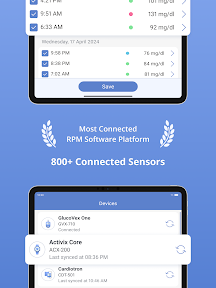
Enabling remote patient monitoring by bridging the gap between medical-grade Bluetooth sensors and mobile health tracking. Providing a centralized data hub for chronic condition management.
Target audience


Portfolio
Free 8Last updated

Health Diary by MedM
v3.11.3
3mo ago
Publisher DNA
What defines MedM?
Publisher DNA
Primary focus
Medical and health tracking with a focus on Bluetooth sensor integration
Scale
indie
Target audience
Patients managing chronic conditions and their caregivers, alongside healthcare providers requiring automated, high-fidelity vital sign data.
Signature Patterns
- •Deep integration with a wide range of third-party Bluetooth medical sensors
- •Freemium monetization model with premium tiers for ecosystem sync and caregiver sharing
- •Focus on multi-parameter health logging and data portability
- •Consistent UI/UX patterns across medical and health-focused tracking apps
Portfolio momentum
Released 14 updates across 6 apps in the last 6 months, indicating a high-frequency development cycle focused on maintaining device compatibility.
Portfolio
What does MedM ship?
Apps
8 apps analysed


Diabetes diary for tracking Blood Glucose, A1C, Ketone, Blood Pressure & Weight


Ad-free interface [User reviews]
- Manual data entry and clear visual trending tools support effective diabetes management for users
- Bluetooth connectivity failures with specific glucose monitors prevent automated data synchronization

Diabetes diary for tracking Blood Glucose, A1C, Ketone, Blood Pressure & Weight


Ad-free interface sustains high user satisfaction scores compared to ad-heavy competitors
- Simple and intuitive glucose tracking interface allows users to record readings without unnecessary friction
- Inconsistent Bluetooth pairing with specific glucometer models prevents users from automating their data entry

Family health log: blood pressure, weight, temperature, glucose, activity, sleep


Centralized vital sign logging mechanism
- Broad compatibility with various health monitors allows users to centralize vital sign tracking effectively
- Paywalling core features like Apple Health and Health Connect synchronization frustrates users who purchased hardware
Distributed across 10 markets, strongest in Europe.
Based on 3 of 8 apps with localized market data, more coverage rolling in as scans complete · last scanned .
Americas (3)
- Brazil3 / 3
- Mexico3 / 3
- United States3 / 3
Europe (5)
- France3 / 3
- Italy3 / 3
- Portugal3 / 3
- Germany2 / 3
- Spain2 / 3
Asia-Pacific (2)
- Japan2 / 3
- South Korea2 / 3
Core markets (3/3 apps)
User Sentiment
How do users feel about their apps?
2
Positive apps
1
Neutral / mixed
0
Negative apps
65/100
Avg sentiment score
Unlock the app dragging this portfolio down.
Access the full report for freeRivals
Who does MedM compete with?
The rivals identified
Nemeses(4)

Serves the same health-conscious demographic by providing a manual logging alternative for blood pressure that avoids the subscription models found in diabetes trackers.


This app targets cardiovascular wellness monitoring, acting as a manual-entry alternative to the sensor-integrated tracking of MedM.


Both apps target users managing chronic health conditions through connected medical hardware, creating direct competition for users seeking centralized vital sign tracking.


Both apps target health monitoring, but PulseSense captures a broader range of chronic condition metrics like blood pressure and glucose, while Body Temperature Tracking App focuses on fever and temperature hardware.
Contenders(25)


Both apps target diabetes management through freemium logging models, creating direct competition for users seeking centralized health tracking and trend analysis.


Both apps target chronic condition management for hypertension patients, competing for the same user base seeking clinical-grade health tracking and reporting.


Both apps target users managing cardiovascular health and hypertension, competing for the same user base seeking to log and analyze blood pressure metrics.


Both apps target individuals managing chronic conditions like hypertension, competing for the same user base seeking to log and track blood pressure metrics.


Both apps target chronic condition management and vital sign tracking, competing for the same user base requiring long-term health data consolidation.


Both apps target users managing blood pressure and cardiovascular health, competing directly for users seeking to digitize manual health logs via free-to-use mobile interfaces.


Both apps target diabetes management through Bluetooth-enabled device syncing, creating direct competition for users seeking automated health logging and clinical data sharing.


Both apps target individuals managing blood glucose levels, with Health Diary by MedM focusing on automated medical IoT sensor ingestion and Diabetes Tracker by MyNetDiary focusing on diet and lifestyle management.


Both applications target health-conscious users tracking cardiovascular vitals, creating direct competition for users seeking daily blood pressure and heart rate management tools.


Both apps target diabetes management and offer automated glucose data synchronization, forcing users to choose between hardware-agnostic flexibility and brand-specific integration.


Both applications target individuals managing chronic hypertension by providing manual and Bluetooth-enabled vitals logging, competing directly for users who require medical record-keeping tools.


Both applications target individuals managing fever and health tracking, competing for the same user base seeking tools to log vital signs.


Both applications target users managing cardiovascular health, but they differ in data collection: MedM relies on external Bluetooth hardware, while Cardiio uses the iPhone camera for heart rate detection.


Both apps target families and individuals managing health metrics, competing directly for users seeking to log temperature and vital signs.


Both apps target health-conscious users tracking vital signs, with overlapping functionality for body temperature logging and free pricing models.


Both apps target health-conscious users seeking centralized logging for vital signs, creating direct competition for daily health-tracking habits.


Both applications target users managing vital signs like blood pressure and heart rate, competing for the same health-conscious demographic through manual logging and trend tracking.


Acts as a general health dashboard for vital signs, requiring manual entry for clinical data.


Both apps compete for the same health-conscious user base by providing centralized logging and visualization for vital signs. They overlap in the health-tracking category, forcing users to choose between fever-specific monitoring and cardiovascular data logging.


Both applications target users managing cardiovascular health, competing for the same audience seeking digital logging for blood pressure and heart rate metrics.


Both apps target individuals managing fever and vital signs, competing directly on the core utility of logging temperature history.


Both apps target the fever tracking market, competing for users seeking to log and monitor body temperature metrics.


Both apps target individuals managing chronic health conditions by aggregating biometric data, creating direct competition for users seeking centralized health logging.


Both apps target health-conscious users seeking centralized logging for vital signs, creating direct competition for users managing chronic or acute health metrics.


Both applications target users managing chronic health vitals, competing for the same demographic through overlapping tracking features for blood pressure and heart rate.
Same space(53)


This app competes for the same diabetes-management segment by prioritizing automated hardware synchronization over manual entry.


This app competes for the same user base by offering manual logging of cardiovascular vitals, though it prioritizes aggressive monetization over the hardware-agnostic utility of the source app.


Users report: This app captures nighttime health data, serving as a complementary tracking tool for users monitoring sleep-related physiological parameters.


This app serves a niche audience of Eli Lilly medication users, providing a specialized tracking experience that complements general health logging.


Offers a simplified logging utility for fever symptoms that overlaps with the health-tracking needs of general users.


Provides a basic manual logging tool for glucose levels that competes for the same user attention as simple diabetes diaries.


Focuses on gestational diabetes management with clinical remote monitoring features that appeal to a specific subset of the diabetes-tracking audience.


This app targets the same health-conscious audience but shifts the primary data collection method from external Bluetooth hardware to smartphone camera-based photoplethysmography.


This app targets the same hypertension-management audience as MedM but uses clinical guideline classification to drive user engagement.


This app targets a specialized subset of the health-tracking market, focusing on clinical-grade growth monitoring for children.


This app functions as a clinical-workflow tool that captures health concerns before they reach a formal tracking app like MedM.


Directly competes by offering a manual digital diary for temperature and symptom logging.


BP diary focuses on blood pressure monitoring, serving as a simple manual-entry alternative to MedM.


This app serves as a personal health record portal that automates data sharing with medical institutions, acting as a repository for health data.


Glucose Monitor provides manual diabetes logging, serving as a basic alternative for tracking glucose levels.


Baby Daybook provides infant sleep prediction, offering a specialized routine-management tool for parents.


Targets the same demographic interested in basal body temperature tracking for fertility management.


This app provides a simplified, single-purpose alternative for glucose tracking that lacks the broad hardware support of MedM.


Offers a comprehensive wellness dashboard that includes temperature tracking alongside heart rate monitoring.


Diabeto Log provides diabetes management tools, acting as a manual-entry alternative for tracking glucose and meds.


Offers a basic digital diary for fever monitoring similar to the source app.


Serves as a basic logging tool for glucose and medication that competes for the attention of users seeking simple diabetes tracking.


Shares the basal body temperature tracking feature within a broader reproductive health context.


Blood Sugar Master provides manual diabetes logging, acting as a simple alternative to MedM's sensor-integrated approach.


Eko provides professional-grade cardiac diagnostics, serving as a clinical-grade alternative to consumer-level health tracking.


This app offers similar manual and Bluetooth-synced logging for blood pressure, directly overlapping with MedM's core functionality.


Focuses on the specific subset of temperature tracking related to fertility and pregnancy chances.


Glooko aggregates diabetes device data, serving as a specialized hub for patients with multiple connected medical devices.


Glow Baby focuses on infant development insights, providing a data-driven alternative to simple routine logging.


Provides a clinical-focused utility for diabetes management that emphasizes data sharing for healthcare consultations.


Provides a similar illness-tracking utility for parents monitoring child health and recovery.


Users report: Targets parents needing to track child health data and medication schedules.


This app provides a similar multi-metric tracking experience but relies on camera-based sensors for heart rate measurement rather than external Bluetooth devices.


This app serves the professional side of the health-tracking market, providing clinical decision support that complements patient-side logging.


Medisafe provides medication adherence tools, acting as a specialized clinical support app for patients with complex regimens.


Appeals to privacy-conscious users by offering a local-only data architecture that avoids the cloud-based subscription model.


Provides a minimalist, manual-entry alternative for users who avoid account registration.


Nara provides collaborative parenting tools, serving as a specialized alternative for families managing infant health.


Baby Tracker provides newborn activity logging, serving as a specialized tool for parents compared to the adult-focused MedM.


amma focuses on pregnancy education and fetal development, serving as a content-heavy alternative to MedM's data-logging focus.


Provides a manual logging interface for blood pressure that competes for the same health-tracking user base as diabetes diaries.


This app provides a basic digital logging interface for body temperature, serving as a simplified alternative to MedM's comprehensive hub.


Offers a combined tracking tool for blood pressure and glucose that appeals to users managing multiple chronic conditions.


SnoreLab focuses on sleep-specific acoustic analysis, providing a specialized diagnostic tool that complements the general health tracking of MedM.


This app targets parents needing infant routine logging, which serves as a specialized alternative to the broad vital sign tracking provided by MedM.


This app serves as a centralized logging utility for users who want to track blood pressure alongside broader physical activity metrics like step counts.


Serves as a parallel health-logging utility for users managing multiple vitals beyond temperature.


Provides a straightforward manual logging tool for vital signs that serves as a simple alternative for health-tracking users.


Pregnancy Tracker focuses on fetal development milestones, providing a specialized tracking utility for expectant parents.


This app targets users who prioritize data privacy and Apple Health integration over the broad hardware-sync capabilities found in the source app.


Acts as a bridge for logging health data from wearable devices to the system health app.


Serves as a specialized ledger for parents to record clinical notes for doctor visits.


This app provides a lightweight, free logging tool for blood pressure and sugar, competing for the same manual-entry user base as MedM.
New entrants(1)


Provides a digital diary for fever and symptom tracking with image-based data entry.
The Analyst's Read
The bottom line on MedM
Bottom line
MedM is a specialized utility publisher that has successfully commoditized the 'connectivity' layer of the digital health market. Their ability to maintain broad hardware support across a small, focused portfolio makes them a critical infrastructure player in the remote patient monitoring space.
Frequently asked questions
How many apps does MedM publish?
What kind of apps does MedM make?
What is MedM's top app?
In how many countries are MedM's apps available?
What fed this analysis
- Apps analyzed:
- 6
- With full intel:
- 3
- With overview:
- 6
- Website scraped:
- yes
- Social presence:
- yes
