


noigroup
For patients suffering from complex chronic pain or injury and the clinicians or physical therapists managing their neuroplasticity-based recovery programs.
 Recognise Hand
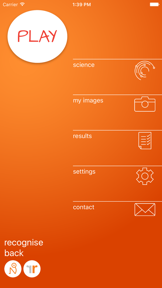
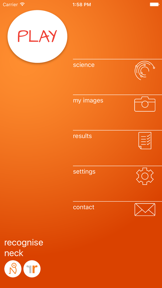

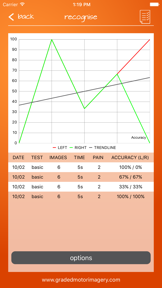

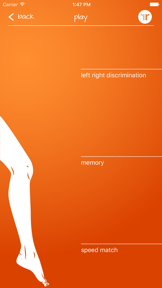
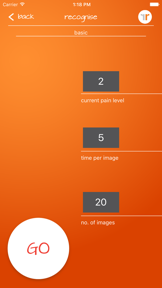
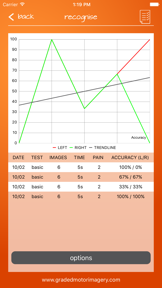

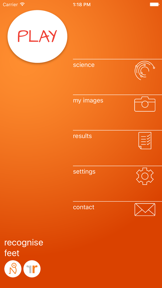


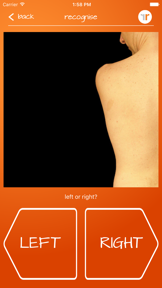


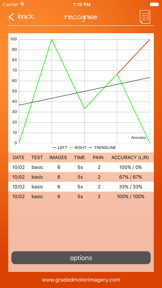
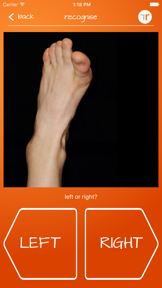
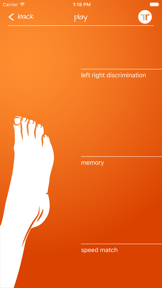
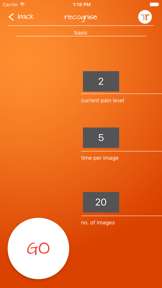
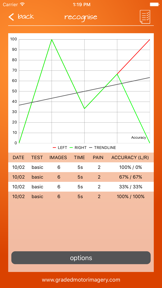

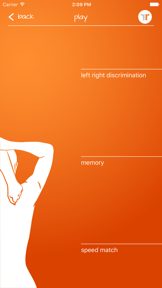


Snapshot
Who is noigroup?
Delivering clinical-grade Graded Motor Imagery tools to help patients and therapists manage complex pain through neuroplasticity exercises.
Target audience


Portfolio
Last updated

Recognise Hand
v1.10
7mo ago
Publisher DNA
What defines noigroup?
Publisher DNA
Primary focus
Medical rehabilitation · Graded Motor Imagery
Scale
indie
Target audience
Patients suffering from complex chronic pain or injury and the clinicians or physical therapists managing their neuroplasticity-based recovery programs.
Signature Patterns
- •Strict focus on Graded Motor Imagery (GMI) and neuroplasticity-based exercises.
- •Uniform monetization via a $5.99 one-time purchase model across all active titles.
- •Clinical utility features including data export for therapist review and custom image capture.
- •Modular portfolio structure with dedicated apps for specific body regions (Neck, Back, Foot, Knee).
Portfolio momentum
Maintained an active development cycle with 5 updates across their 7-app portfolio in the last 6 months, focusing on their core 'Recognise' suite.
Portfolio
What does noigroup ship?
Apps
8 apps analysed

Unique, proprietary methodology (DIMs/SIMs) that differentiates it from generic pain trackers.
- Strong academic and research-backed foundation (Explain Pain series).

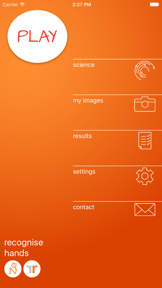
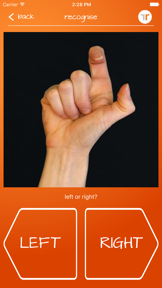
- Users find the nerve therapy exercises effective for pain management when the app functions correctly
- Navigation failures and broken menu screens prevent users from accessing core therapy functions post-update

Unique feature set including custom image capture
- Strong alignment with clinical GMI protocols

Unique value proposition through clinical data export features.
- Therapeutic Effectiveness
- Navigation Issues


Analysis in progress
Single-market publisher, every app ships only to United States.
Based on 6 of 8 apps with localized market data, more coverage rolling in as scans complete · last scanned .
Americas (1)
- United States6 / 6
Core markets (6/6 apps)
User Sentiment
How do users feel about their apps?
0
Positive apps
1
Neutral / mixed
1
Negative apps
38/100
Avg sentiment score
Unlock the app dragging this portfolio down.
Access the full report for freeRivals
Who does noigroup compete with?
The rivals identified
Nemeses(4)

Orientate is a direct functional peer, offering laterality recognition software specifically for Graded Motor Imagery rehabilitation.


Helps stroke survivors practice number communication, providing a specialized rehabilitation tool for a similar patient demographic.


Both applications target the same clinical GMI rehabilitation audience, creating direct competition for patients and clinicians seeking motor imagery tools.


Both applications target patients recovering from knee injuries, competing for the same clinical rehabilitation audience despite differing in their core exercise methodology.
Contenders(2)


Both apps target physical therapy patients and clinicians, competing for the same rehabilitation-focused user base through home-based exercise tools.


Both applications target patients requiring hand-focused rehabilitation, with ReHand providing a free, tablet-based alternative to the fragmented and paid structure of Recognise.
Same space(48)


Curable targets the same chronic pain demographic as Recognise Back but focuses on neuroscience-based symptom transformation rather than motor imagery.


NeuroNation offers science-backed cognitive training that overlaps with the neuroplasticity focus of Recognise Back, though it targets a broader casual audience.


Migräne Tracker provides specialized symptom logging and trigger analysis, serving as a complementary tool for patients managing complex pain conditions.


Manage My Pain provides the symptom tracking and physician reporting tools that complement the therapeutic exercises in Recognise Foot.


NYSORA serves as a clinical reference tool for pain specialists, providing the professional-grade procedural support that clinicians using Recognise Foot might require.


ViViRA acts as a direct clinical alternative for back pain, offering a government-reimbursable digital health device for physiotherapy.


Impulse serves as a high-volume cognitive training alternative that captures users interested in brain-based exercises, though it lacks the clinical specificity of Recognise Back.


Brainpro focuses on visual agility and eye-brain coordination, sharing the neuroscientific training foundation found in Recognise Back.


Mind Games provides a broader suite of cognitive exercises that users may employ alongside specialized rehabilitation tools.


Pathways Pain Relief uses brain-retraining methods for chronic pain, aligning with the neuroplasticity goals of Recognise Back.


Brainiversity offers a broad library of cognitive mini-games, serving as a general-purpose brain training tool for users seeking mental stimulation.


Renegade Rehabilitation offers joint pain prevention programs, serving as a broader fitness-focused alternative to specialized medical imagery apps.


Reveri provides an adjacent self-hypnosis tool for pain management, targeting the same patient demographic seeking non-pharmacological relief.


Sens.ai utilizes neurofeedback technology to provide measurable brain training, offering a hardware-integrated alternative to software-only training.


CNS Tap Test monitors neurological readiness through fine motor control, providing a quantitative metric for athletic recovery.


Provides high-fidelity 3D anatomy models that serve as a professional reference tool for clinicians managing the same patient base as Recognise Knee.


BrainWave offers neuro-acoustic stimulation for stress and focus, providing a passive sensory tool that complements active motor imagery exercises.


Pep provides neuroscience-based pain management, sharing the evidence-based methodology focus of Recognise Back.


Uses cognitive assessment and adaptive training to support mental clarity, providing a similar neuroplasticity-based approach to Recognise Knee.


Relio offers a psychology-based approach to back pain management, providing an alternative to the physical-focused training of Recognise Back.


Provides cognitive training mini-games, sharing the neuroplasticity-based training goals of Recognise Knee.


NEUROFIT offers somatic exercises for nervous system regulation, providing a complementary approach to the brain-based retraining found in Recognise Foot.


Clock Yourself uses volitional step training for neuroplasticity, sharing the clinical-grade rehabilitation methodology.


Back Doctor provides physical rehabilitation routines for spinal pain, serving as a complementary exercise utility for the same patient base.


Zenelia offers clinical-style cognitive training, targeting users who seek evidence-based mental fitness tools.


Dry Needling Guide offers a clinical reference tool for therapists, overlapping with the professional utility segment of the pain market.


Mensa Brain Training uses expert-accredited cognitive exercises to improve reasoning, similar to the structured training goals of Recognise.


EMDR provides bilateral stimulation tools that serve as a technical alternative for patients requiring sensory-based rehabilitation.


Controls physical pain relief hardware, providing a different technological approach to managing chronic pain.


Effectivate focuses on memory and attention training for older individuals, aligning with the cognitive health goals of the broader brain training space.


NeuroBoost-IQ offers daily cognitive assessments similar to the training modules found in Recognise.


Offers expert-led physical therapy plans, serving as a broader rehabilitation resource for patients managing pain and mobility issues.


Provides a digital therapy program for back pain, functioning as a reimbursable medical device for patients.


Goniometer provides clinical range-of-motion measurement, serving as a diagnostic tool for the same physical therapy patients who use Recognise.


Facilitates home-based rehabilitation through provider-prescribed programs, serving as a clinical extension for the same patient population.


Squeezy offers clinical-grade remote monitoring for physical therapy, mirroring the professional therapeutic aid model.


Necklo provides targeted exercises for neck posture, competing for the same physical relief audience.


Uses guided exercise videos for pain management, providing a home-based therapy alternative for patients.


Optics Trainer gamifies vision therapy for patients with visual deficits, sharing the clinical-recovery niche with Recognise.


Pain Academy provides a movement-based therapy program that complements the neuroplasticity training of Recognise Back.


Posture Correction offers simple exercise routines for neck posture, targeting the same physical pain relief segment.


Recovery Record for Clinicians acts as a professional dashboard for eating disorder treatment, mirroring the clinical oversight goal of Recognise Foot.


Provides hardware-integrated leg therapy using electrical muscle stimulation, serving as a physical intervention counterpart to the cognitive GMI training in Recognise Knee.


movewise digitizes physical therapy routines, providing a structured exercise alternative for chronic pain patients.


Provides digital physical therapy and injury prevention workouts, serving as a broader rehabilitation alternative for the same patient demographic.


Pain Coach provides behavioral pain management tools, serving as a government-backed clinical resource.


Brain Trainer focuses on the Stroop effect for cognitive maintenance, providing a simplified alternative to the specialized therapy in Recognise.


VISYN NeuroStream uses visual training to improve movement, overlapping with the visual-motor rehabilitation goals of Recognise.
New entrants(5)


Need Relief from Chronic Pain offers a neuroscience-based curriculum for pain retraining, directly competing for the same chronic pain patient demographic.


NeckPlay uses gamified head movement tracking for physical therapy, directly competing for neck-specific rehab.


Low Back Ability provides a structured training roadmap for back rehabilitation, serving as a physical exercise complement to Recognise Back.


Spark targets athletic cognitive training, serving as a performance-focused alternative to the recovery-focused exercises in Recognise.


Brainwell offers a collection of cognitive games, providing a general brain-training alternative to the specialized therapy in Recognise.
The Analyst's Read
The bottom line on noigroup
Bottom line
Noigroup is a specialized medical publisher with a clearly defined niche in neuroplasticity-based pain management. Their disciplined adherence to a specific clinical protocol and consistent pricing model signals a stable, professional-grade product-market fit for the physical therapy sector.
Frequently asked questions
How many apps does noigroup publish?
What kind of apps does noigroup make?
What is noigroup's top app?
In how many countries are noigroup's apps available?
What fed this analysis
- Apps analyzed:
- 7
- With full intel:
- 7
- With overview:
- 7
- Website scraped:
- yes
- Social presence:
- no
