Peng Lyu
For system administrators, DevOps engineers, and technical power users managing self-hosted infrastructure or security tokens.
 ProxMobo – Proxmox VE & PBS



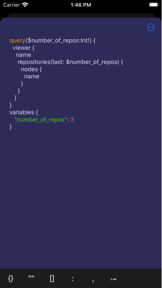


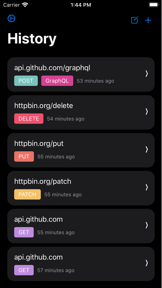
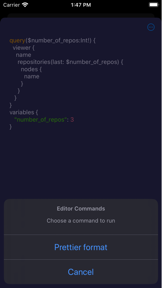


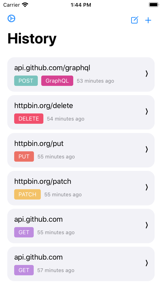


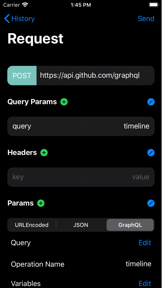


Snapshot
Who is Peng Lyu?
Equipping DevOps engineers and system administrators with native mobile tools to monitor and manage self-hosted infrastructure securely.
Target audience


Portfolio
Free 10Last updated

ProxMobo – Proxmox VE & PBS
v1.11.2
7mo ago
Publisher DNA
What defines Peng Lyu?
Publisher DNA
Primary focus
Mobile DevOps and system administration utilities
Scale
indie
Target audience
System administrators, DevOps engineers, and technical power users managing self-hosted infrastructure or security tokens.
Portfolio momentum
Released 8 updates across 5 active apps in the last 6 months, with the most recent release occurring within the last 3 days.
Portfolio
What does Peng Lyu ship?
Apps
10 apps analysed


Simple and straightforward setup process allows users to secure their accounts without significant technical friction
- Reliable multi-factor authentication across Microsoft platforms provides consistent security for personal and school accounts
- Application launch failures and freezing behavior prevent users from accessing critical authentication codes during login


Single-market publisher, every app ships only to United States.
Based on 4 of 10 apps with localized market data, more coverage rolling in as scans complete · last scanned .
Americas (1)
- United States4 / 4
Core markets (4/4 apps)
User Sentiment
How do users feel about their apps?
0
Positive apps
1
Neutral / mixed
0
Negative apps
45/100
Avg sentiment score
Rivals
Who does Peng Lyu compete with?
The rivals identified
Nemeses(2)

Both apps target DevOps engineers and system administrators needing remote server monitoring, with UptimeRobot providing a managed service while Uptime Kuma Manager acts as a dedicated client for self-hosted instances.


Dominates the 2FA niche with massive scale and deep integration into enterprise and personal Microsoft ecosystems.
Contenders(13)


A dedicated, high-velocity competitor focused exclusively on the 2FA user experience with frequent feature updates.


Both applications target system administrators managing Uptime Kuma instances, competing for the same user base seeking remote service visibility. They diverge on the primary interface, with one prioritizing mobile push notifications and the other focusing on wearable status monitoring.


Both apps target IT professionals and system administrators needing remote server health monitoring, creating direct competition for users seeking mobile-first infrastructure visibility.


Both applications target system administrators managing Uptime Kuma instances, competing directly for the same mobile monitoring user base.


The industry standard for simple TOTP codes, maintaining a massive user base through sheer ubiquity.


Targets the identity verification niche, serving users who require high-assurance authentication for government and financial services.


Both applications target system administrators requiring mobile-based server status monitoring and push notifications for service outages.


Both applications target system administrators requiring mobile push notifications for web service status monitoring. They compete for the same user base seeking real-time uptime alerts on mobile devices.


Both applications target system administrators and DevOps engineers managing Uptime Kuma instances, creating direct competition for mobile infrastructure monitoring.


Both apps target system administrators and server operators with free mobile-based monitoring tools, creating direct competition for users seeking lightweight uptime alerts.


Both applications target IT professionals and site reliability engineers needing service availability tracking, creating a direct overlap in the monitoring utility space.


Both apps target Uptime Kuma users, but they diverge on access requirements: Uptime Kuma Manager focuses on administrative server control, while Kuma : Status targets public status page monitoring.


Both applications target system administrators requiring mobile visibility into server uptime, though they support different backend monitoring services.
Same space(20)


An adjacent productivity tool that bundles 2FA generation directly into a comprehensive password management workflow.


A security-first password manager that treats 2FA as a core component of its encrypted data storage suite.


A premium password manager that includes 2FA as a value-add feature for its subscription-based user base.


Monity.dev provides a lightweight uptime dashboard for indie developers, focusing on simplicity and rapid incident response.


ServerCat provides broader Linux and Docker management via SSH, serving as a more comprehensive administrative tool for the same DevOps audience.


Status for DigitalOcean provides targeted monitoring for specific cloud infrastructure, serving as a specialized alternative to general uptime tools.


Network Monitor ∞ IP Tracker provides low-level diagnostic data that complements the high-level service monitoring of Uptime Kuma Manager.


SwiftServer offers a cross-platform approach for iOS and macOS, providing a broader suite of administrative tools than the single-purpose Uptime Kuma Manager.


Pi-hole Monitor serves a specific subset of the homelab audience by focusing on network-level ad blocking and query management.


ProxMate is a direct peer for Proxmox administrators, offering deeper storage and lifecycle management features than general monitoring clients.


Pingly Uptime targets developers needing to monitor API dependencies, providing a similar service-health focus as Uptime Kuma Manager.


Ping Monitor targets the same monitoring space but emphasizes local-first, background-fetch capabilities for server farm oversight.


Server Monitor for Linux focuses on privacy-conscious administrators who prefer direct SSH connections over cloud-based monitoring relays.


PA Server Monitor acts as a mobile console for legacy infrastructure, appealing to enterprise users who require agentless, stable monitoring.


ProxMan targets the same virtualization-focused administrators but specializes in Proxmox environments rather than general uptime tracking.


Scott's Pinger offers a simplified, no-frills alternative for users who need basic website uptime monitoring without complex server management.


Uptime Koala serves as a companion to an open-source monitoring platform, offering a similar workflow to Uptime Kuma Manager.


Cockpit AI Server Monitor differentiates by adding AI-assisted diagnostics to the standard SSH-based server monitoring workflow.


SNMP Network Monitor expands the scope of infrastructure oversight by including network-specific protocols like SNMP alongside standard SSH access.


Yomo focuses on containerized environments, providing a specialized dashboard for Docker and Portainer users that complements general uptime monitoring.
New entrants(2)


Unofficial CheckMK Monitoring provides a dedicated client for Checkmk users, mirroring the specialized utility of Uptime Kuma Manager.


Stacklight provides a privacy-focused, local-only monitoring experience that avoids the cloud-dependency of many uptime tools.
Frequently asked questions
How many apps does Peng Lyu publish?
What kind of apps does Peng Lyu make?
What is Peng Lyu's top app?
In how many countries are Peng Lyu's apps available?
What fed this analysis
- Apps analyzed:
- 10
- With full intel:
- 0
- With overview:
- 10
- Website scraped:
- yes
- Social presence:
- no