

PeopleFun
 Wordscapes: Word puzzle game



Publisher DNA
What defines PeopleFun?
AI intelligence is not yet available for PeopleFun. The portfolio data below is up to date.
Portfolio
What does PeopleFun ship?
Apps
2 apps analysed

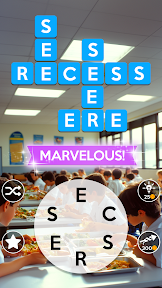
Enjoy the beautiful scenery and endless word search puzzles!


Visual feedback system (color-coded highlighting) improves accessibility
- The core word search mechanic provides a relaxing and mentally stimulating experience for daily players
- Forced hints during gameplay disrupt the flow and frustrate users who prefer to solve puzzles independently

Relax your brain with this fun word puzzle game and beautiful landscapes!


Visual reward system increases session length
- The core word-puzzle mechanic provides a relaxing and mentally stimulating experience for casual daily players
- Intense flashing animations and visual effects trigger migraines and photosensitivity issues for vulnerable player segments
Distributed across 20 markets, strongest in Europe.
Based on 2 of 2 apps with localized market data · last scanned .
Americas (4)
- United States2 / 2
- Brazil1 / 2
- Canada1 / 2
- Mexico1 / 2
Europe (9)
- France1 / 2
- Germany1 / 2
- Italy1 / 2
- Netherlands1 / 2
- Portugal1 / 2
›+4 more europe markets
- Spain1 / 2
- Sweden1 / 2
- Turkey1 / 2
- United Kingdom1 / 2
Asia-Pacific (7)
- Australia1 / 2
- India1 / 2
- Indonesia1 / 2
- Japan1 / 2
- Singapore1 / 2
›+2 more asia-pacific markets
- South Korea1 / 2
- Vietnam1 / 2
Core markets (2/2 apps)
User Sentiment
How do users feel about their apps?
1
Positive apps
0
Neutral / mixed
1
Negative apps
50/100
Avg sentiment score
Unlock the app dragging this portfolio down.
Access the full report for freeRivals
Who does PeopleFun compete with?
The rivals identified
Nemeses(3)

Both apps target the same casual puzzle demographic with freemium models, competing directly for daily active time through word-based mechanics.


Crossword Go! targets the same word-puzzle audience but shifts the focus toward real-time competition and visual clues to differentiate from the static crossword experience.


Word Trip targets the same casual demographic as Wordscapes Search but utilizes a travel-themed progression loop to differentiate its daily brain-training experience.
Contenders(20)


It serves the same puzzle-seeking audience but differentiates through a multi-modal clue system using emojis and photos.


It competes for the same time-filling audience as Wordscapes by providing a similar relaxing, offline-capable puzzle loop.


Both apps compete for the casual word-puzzle audience by offering free-to-play word games, with WordsSoup providing an alternative through procedural generation rather than the static, level-based content found in Wordscapes.


This app captures the same casual demographic as Wordscapes by offering a timer-free, low-pressure environment for daily brain training.


Both apps target the same casual puzzle demographic seeking daily relaxation, competing directly for time-share within the word-game category.


Both apps compete for the same casual puzzle demographic by offering relaxing, nature-themed word-search loops that target daily session time.


Both apps target the same casual word-puzzle demographic with freemium models, competing for user attention through relaxing, vocabulary-focused gameplay.


Both apps target casual puzzle players with offline-first word search mechanics, creating direct competition for daily mental exercise sessions.


Both apps target the casual word-puzzle demographic with daily play loops, competing for the same mental-clarity time slot.


Word & Anagram Finder targets the same word puzzle audience by providing utility for solving the specific games Wordscapes users play. The overlap in user intent creates a direct path for players to use the rival as a companion tool during gameplay.


Both apps compete for the same casual word-puzzle audience by offering daily mental stimulation through crossword-style mechanics and ad-supported monetization.


Both apps target the same casual word-puzzle demographic and share core mechanics like letter wheels and word lists. They compete directly for the same daily mental stimulation habit.


Both apps target the casual word-puzzle demographic using swipe-based mechanics and free-to-play models. They compete directly for the same daily-habit users seeking mental stimulation.


Both apps target casual puzzle players with word-finding mechanics, competing directly for daily active time within the word search category.


Both apps target casual puzzle players with offline-first word search mechanics, creating direct competition for daily active users seeking low-friction cognitive exercises.


Both apps compete for the same casual word-puzzle audience by offering free-to-play daily brain training sessions.


Both apps target the same casual word-puzzle audience by pairing crossword-style mechanics with relaxing landscape imagery and music.


Both apps target the same casual word-puzzle audience through grid-based letter connection mechanics and free-to-play pricing models.


Both apps target the same casual word-puzzle audience by pairing crossword-style mechanics with relaxing landscape imagery and music.


Both apps target the casual word-puzzle demographic with offline-first mechanics and nature-themed aesthetics, creating direct competition for daily active users.
Same space(14)


It addresses the same casual puzzle demographic as Wordscapes by offering a logic-based word connection challenge.


It serves the same puzzle-focused audience by offering a much higher volume of content and diverse grid formats.


It provides a direct alternative for users seeking an ad-free experience within the same word-connection genre.


It appeals to the same relaxing, brain-training demographic by pairing word puzzles with visual landscape exploration.


It targets the same casual crossword-style puzzle audience with a focus on relaxed, non-timed gameplay.


It targets the same brain-training audience but focuses on a specific cryptogram engine rather than standard word-search mechanics.


It targets the same casual word-puzzle audience but uses a visual-rebus mechanic to provide a distinct mental challenge.


It serves as a utility tool for the same word-game audience, providing a lookup mechanism for players stuck on puzzles.


It shares the same offline-first, relaxing aesthetic but differentiates by removing the crossword grid entirely.


NYT Games captures the prestige-seeking segment of the word puzzle market through a subscription-based model that contrasts with the ad-heavy approach of Wordscapes Search.


It shares the same travel-themed, offline-capable word puzzle focus as Wordscapes Search.


It targets the same casual vocabulary-building audience but adds a meta-game layer to differentiate from standard search games.


It serves the same casual, offline-first audience but utilizes a 18,000-level library to sustain long-term engagement.


This app competes for the same senior and casual demographic by offering a massive 30,000-level library that dwarfs the content depth of Wordscapes Search.
