


Plain and Simple Software
For combat sports athletes, HIIT practitioners, and home-workout enthusiasts seeking structured, equipment-free training and timing solutions.
 Boxing Training & Workout App


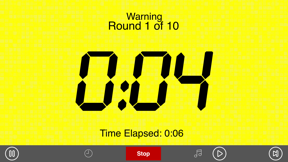


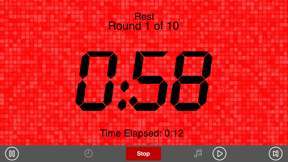


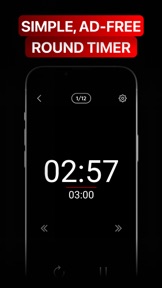


Snapshot
Who is Plain and Simple Software?
Providing specialized timing and training tools for combat sports athletes and fitness enthusiasts. Enabling precise, interval-based workout management for home and gym environments.
Target audience


Portfolio
Free 4Last updated

Boxing Training & Workout App
v2.6.0
8mo ago
Publisher DNA
What defines Plain and Simple Software?
Publisher DNA
Primary focus
Health & Fitness · Combat sports and interval training tools
Scale
indie
Target audience
Combat sports athletes, HIIT practitioners, and home-workout enthusiasts seeking structured, equipment-free training and timing solutions.
Signature Patterns
- •Strong focus on interval-based training and combat-specific workout timers.
- •Monetization strategy leans heavily on free-to-use models with high accessibility.
- •Product design emphasizes hands-free operation and customizable session segments.
- •Consistent focus on at-home, equipment-free fitness solutions.
Portfolio momentum
Released 11 updates across the portfolio in the last 6 months, with the majority of top titles receiving maintenance or feature updates within the last 30 days.
Portfolio
What does Plain and Simple Software ship?
Apps
6 apps analysed
Kickboxing, Muay Thai, MMA, UFC, and boxing punching bag & shadowboxing workouts


Effective full-body at home HIIT training, boxing-inspired, no equipment needed.


Ab Workout Challenge For Effective Core and Abs Training at Home or Gym


Single-market publisher, every app ships only to United States.
Based on 1 of 6 apps with localized market data, more coverage rolling in as scans complete · last scanned .
Americas (1)
- United States1 / 1
Core markets (1/1 apps)
Rivals
Who does Plain and Simple Software compete with?
The rivals identified
Nemeses(2)

Both applications target fitness enthusiasts requiring interval training tools, with the rival competing directly through a free, ad-supported model that captures a much larger user base.


Both apps target athletes seeking structured training, though Gymverse focuses on long-term progression while UltraTrainer targets immediate reaction speed through randomized audio cues.
Contenders(17)


Tabata Timer and HIIT Timer acts as a specialized interval utility that automates exercise and rest cycles for the same HIIT-focused audience.


Both applications target fitness enthusiasts requiring interval training tools, with the rival capturing a massive user base through a free-to-start model that directly competes with the paid-upfront barrier of UltraTimer.


Interval Timer provides a direct functional alternative to UltraTimer by offering background-compatible interval tracking for HIIT workouts.


Ladder targets the same strength-training audience as UltraTimer but replaces manual interval planning with expert-led, coach-built programs.


Both applications target fitness enthusiasts requiring hands-free interval timing, with Seconds Pro competing directly for the same user base through specialized interval programming and circuit training support.


SmartWOD Timer serves the same functional fitness audience as UltraTimer by providing specialized clocks for AMRAP and EMOM workouts.


Both apps target fitness enthusiasts requiring workout management tools, with Strong providing a broader logging experience that overlaps with the interval-based utility of UltraTimer.


Interval Timer ++ offers a visual interval tracking experience that integrates with HealthKit to sync data with the user's broader health profile.


Timer Plus targets the same group class instructor demographic as UltraTimer, focusing on ad-free interval utility.


Simple Interval Timer competes for the same fitness audience as UltraTimer by offering a free, high-volume alternative with broader hardware integration.


Both applications target fitness enthusiasts requiring interval timers, creating direct competition for users seeking specialized training tools. The rival's free-utility model and higher user satisfaction ratings challenge the paid pricing structure of UltraTimer.


Both applications target the same fitness interval training audience with overlapping core functionality for managing workout cycles and rest periods. The rival competes directly by offering a free alternative to the paid UltraTimer model.


Both applications target fitness enthusiasts requiring structured interval timing, creating direct competition for users managing workout routines.


Both applications target fitness enthusiasts requiring interval training tools, creating direct competition for users seeking hands-free workout management.


Both applications target fitness enthusiasts with interval training timers, creating direct competition for users seeking tools to manage workout routines.


Both apps target the interval training market, with Tabata Pro competing for the same user base through a free, high-volume distribution model.


Both apps target athletes seeking structured workout routines, though UltraTrainer focuses on reaction-based interval drills while Muscle Booster emphasizes biometric-tracked training plans.
Same space(41)


Runna serves the same fitness-focused user base but focuses on dynamic, science-backed running plans rather than general interval timing.


This app targets the same home-fitness demographic, using a launcher-based interface to differentiate its user experience.


Serves the same HIIT-focused demographic as UltraTrainer by providing a dedicated interval timer with integrated training plans.


This app provides a broad, equipment-focused gym tracker that serves as an alternative for users transitioning from home to gym training.


Provides an audio-based striking coach that serves the same martial arts audience as UltraTrainer's randomized action intervals.


This app focuses on gym-based logging and volume tracking, providing a quantitative alternative to the source app's qualitative drill guidance.


Uses computer vision to track boxing performance, offering a more automated alternative to UltraTrainer's manual drill recording.


This app provides a multi-sport training platform that competes with the source app by offering broader, guided fitness programs.


This app provides a generalist home-fitness alternative for users who prioritize broad bodyweight goals over specific boxing techniques.


Provides an alternative to UltraTrainer's interval-based workouts by offering guided sessions rather than just timing tools.


Offers an AI-driven alternative to UltraTrainer's manual drill recording for boxing-specific training.


This app uses AI to generate personalized lifting routines, offering a data-driven alternative to the source app's static combat drills.


This app targets the same home-based fitness audience but focuses on 28-day challenges rather than ongoing combat sports training.


This app serves the same fitness-focused user base but shifts the utility from guided combat drills to gym-based weightlifting tracking.


Hevy competes for the same gym-going audience by offering a social-first logging experience that complements the timed intervals provided by UltraTimer.


Competes for the same martial arts training segment by replacing UltraTrainer's software-only approach with proprietary hardware-linked metrics.


Targets the same fitness-focused audience as UltraTrainer but replaces manual drill recording with AI-driven, cinematic coaching.


Interval Timer:Tabata & Boxing provides specialized multi-mode timing for athletes who require precise control during boxing and HIIT sessions.


This app offers a personalized gym-tracking experience that competes for the same user base seeking structured training routines.


This app targets the same home-fitness audience as Boxing Training: Bag Workouts but focuses on bodyweight routines rather than specialized combat drills.


Lyfta serves as a gym-logging companion that provides structure for strength training, coexisting with UltraTimer's interval-based utility.


This app occupies the gym-tracking space, providing a data-heavy alternative to the guided, drill-based experience of the source app.


Shares the martial arts training focus of UltraTrainer but emphasizes guided shadow boxing sessions over raw interval timing.


Targets the same cardio-focused athlete demographic as UltraTrainer but uses physiological data to guide training intensity.


Yoga Timer provides a specialized timing utility for yoga instructors, serving a niche segment within the broader fitness timing category.


Rounds: Interval HIIT Timer serves privacy-conscious athletes who prefer an offline-first utility over the cloud-connected features of other fitness apps.


This app provides a high-quality, free content library that serves as a direct alternative to the source app's guided workout sessions.


Targets the same boxing-specific audience as UltraTrainer with a focus on round-based timing and preconfigured schedules.


Calorie Counter + provides nutritional tracking that complements the physical activity monitoring performed by UltraTimer.


Focuses on the same reaction-time improvement goal as UltraTrainer but uses cognitive exercises rather than physical interval drills.


Tabata Timer: Interval Timer serves as a direct utility alternative for HIIT and cardio training, focusing on customizable interval control.


Offers a basic interval timing utility that serves the same HIIT-focused audience as UltraTrainer.


This app serves the same home-fitness market but targets women with lazy-friendly routines, contrasting with the source app's high-intensity combat focus.


Provides a guided combat training experience that complements UltraTrainer's interval-focused approach for martial artists.


This app provides a low-intensity home-coaching alternative to the high-intensity boxing drills offered by the source app.


Targets the same serious boxing audience as UltraTrainer by providing structured programming for combat skills.


This app uses AI-driven personalization to compete for the same fitness-tracking market share, focusing on aesthetic body goals.


This app bridges the gap between home and gym training, but relies on hardware-linked telemetry that contrasts with the source app's offline-first design.


Offers a direct alternative to UltraTrainer's core interval timing functionality with a focus on round-based sports.


Shares the audio-cue focus of UltraTrainer but specifically calls out punch combinations for boxing workouts.


This app provides professional-athlete routines, competing for the same user base that values expert-led training methodology.
New entrants(2)


This app serves a niche, low-impact fitness audience that contrasts with the high-intensity combat training of the source app.


This app competes for the same gym-goer audience but uses aggressive subscription gating that contrasts with the source app's freemium model.
The Analyst's Read
The bottom line on Plain and Simple Software
Bottom line
The publisher maintains a disciplined focus on the combat fitness niche, successfully leveraging high-utility tools to drive user engagement. Their ability to maintain a high weighted rating across a small, focused portfolio indicates strong product-market fit within the fitness utility segment.
Frequently asked questions
How many apps does Plain and Simple Software publish?
What kind of apps does Plain and Simple Software make?
What is Plain and Simple Software's top app?
In how many countries are Plain and Simple Software's apps available?
What fed this analysis
- Apps analyzed:
- 6
- With full intel:
- 0
- With overview:
- 6
- Website scraped:
- yes
- Social presence:
- no
