Shenzhen Ultra Easy Technology Co.
For users of budget-friendly fitness trackers and smartwatches seeking basic activity, sleep, and GPS data synchronization.
 GPS Test - Simple Tool
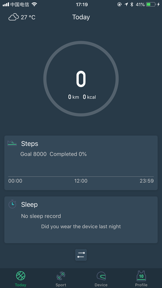


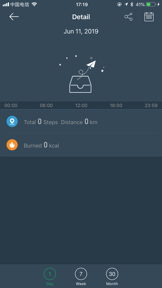


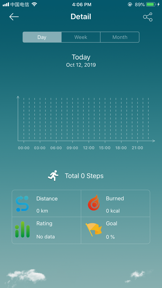

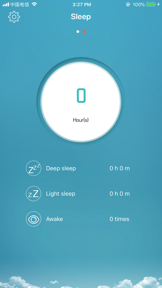

Snapshot
Who is Shenzhen Ultra Easy Technology Co.?
Providing utility and health-tracking tools for users of wearable fitness hardware. Simplifying device connectivity and data visualization for daily wellness monitoring.
Target audience


Portfolio
Free 19Last updated

GPS Test - Simple Tool
v1.6.5
2.3y ago
Publisher DNA
What defines Shenzhen Ultra Easy Technology Co.?
Publisher DNA
Primary focus
Health & Fitness and Utility companion apps
Scale
studio
Target audience
Users of budget-friendly fitness trackers and smartwatches seeking basic activity, sleep, and GPS data synchronization.
Signature Patterns
- •Companion app model for Bluetooth-enabled wearable hardware
- •Integration with Apple HealthKit for centralized data synchronization
- •Focus on basic activity, sleep, and GPS trajectory tracking
- •Free-to-use pricing model across all primary applications
- •High volume of niche, hardware-specific utility apps
Portfolio momentum
Released 5 updates across the portfolio in the last 6 months, maintaining a mix of active health-tracking platforms and legacy utility tools.
Portfolio
What does Shenzhen Ultra Easy Technology Co. ship?
Apps
19 apps analysed

- Initial device pairing and step counting provide immediate utility for some users upon first setup
- Hardware failure and charging issues render the device unusable within weeks of initial purchase

- The core fitness tracking functionality provides a simple and straightforward experience for casual users
- Frequent connectivity failures between the wearable device and the mobile application prevent data synchronization


Distributed across 8 markets, strongest in Europe.
Based on 3 of 19 apps with localized market data, more coverage rolling in as scans complete · last scanned .
Americas (2)
- United States3 / 3
- Mexico2 / 3
Europe (4)
- France2 / 3
- Germany2 / 3
- Italy2 / 3
- Spain2 / 3
Asia-Pacific (2)
- Japan2 / 3
- South Korea2 / 3
Core markets (3/3 apps)
User Sentiment
How do users feel about their apps?
0
Positive apps
0
Neutral / mixed
4
Negative apps
25/100
Avg sentiment score

Unlock the app dragging this portfolio down.
Access the full report for freeRivals
Who does Shenzhen Ultra Easy Technology Co. compete with?
The rivals identified
Nemeses(3)

Walken.io competes for the same health-conscious user base by gamifying physical activity, directly challenging DayBand's focus on step tracking and exercise analysis.


Both apps target the same budget-conscious demographic using low-cost Bluetooth wearables, creating direct competition for users seeking basic activity and sleep tracking.


PaceFit directly competes for the same casual fitness audience by offering a more polished, high-frequency experience for step tracking and lifestyle logging.
Contenders(18)


Accupedo+ is a direct functional competitor that focuses on high-precision step tracking and detailed data management.


This app competes by offering a structured, challenge-based approach to fitness that serves as a more engaging alternative to DayBand's passive tracking.


It targets the same audience by blending step tracking with historical gamification, though users report the app's performance can be inconsistent [1].


DEFIT competes by adding social and reward-based layers to standard activity tracking.


SIPGAR competes by focusing on clinical-grade fitness assessments, appealing to users who want more than just step counting.


A highly established competitor that captures the same market by providing robust GPS mapping and seamless Apple Health integration.


MoveSpring targets the social and corporate wellness space, competing for users who want gamified challenges and multi-device support.


This app targets the same health-conscious demographic but differentiates through advanced algorithmic tracking like NEAT and personalized plans.


StepFit competes by offering specialized workout plans that move beyond the passive tracking features found in DayDay Band.


Runmefit targets the same budget-conscious fitness hardware user base as GloryFit, offering overlapping functionality for activity, sleep, and health data management.


Both apps function as free companion software for budget-friendly wearable hardware, competing for the same user base that prioritizes low-cost activity tracking.


Both apps function as companion software for budget-friendly fitness wearables, targeting users who track basic health metrics like steps and sleep.


Both applications target budget-conscious users of wearable hardware who require basic activity and sleep data visualization. They compete directly by providing free companion software for fitness tracking devices.


Users report: Both apps target health-conscious users through wearable hardware, though they occupy opposite ends of the pricing spectrum. GloryFit serves the budget-conscious segment, while WHOOP captures users seeking granular physiological data for long-term healthspan management.


Both apps target the same budget-conscious hardware user base by providing basic activity, heart rate, and sleep monitoring alongside HealthKit data synchronization.


Both apps function as free companion software for fitness hardware, targeting budget-conscious users who require basic activity and sleep data visualization.


Both apps function as free companion software for budget-tier wearable hardware, competing for the same user base seeking basic activity and sleep tracking.


Both apps target the same price-sensitive demographic using low-cost Bluetooth fitness hardware, creating direct competition for users seeking basic activity and sleep tracking.
Same space(20)


It competes in the hardware-connected fitness space, targeting users who prioritize brand-specific ecosystem features.


DieselOn acts as a hardware-linked fitness app, sharing the same fundamental use case of managing wearable device data.


This app provides a superior dashboard experience for users who want to aggregate health data from multiple sources.


Peak competes by focusing on the presentation of health data through widgets, a key utility for the same user base.


This app serves as a technical utility for health data management, competing for power users who want granular control over their metrics.


InPulse targets the same casual health-tracking demographic as GloryFit but replaces wearable hardware with camera-based pulse measurement.


Fitbit to Apple Health Sync addresses the same data portability needs as GloryFit users who want to move away from proprietary hardware ecosystems.


ActivityTracker Pedometer competes for the same casual user base by removing hardware requirements entirely in favor of smartphone sensor tracking.


Heartica provides a software-only vitals tracking alternative for users who find GloryFit's hardware-dependent synchronization unreliable.


Garmin Connect serves as a direct upgrade path for GloryFit users who outgrow basic tracking and require professional-grade telemetry.


Google Health acts as a centralized dashboard for wearable users, competing with GloryFit by offering AI-driven coaching and broader data interoperability.


Power Sync functions as a specialized utility that bridges the gap between Fitbit hardware and Apple Health, addressing the integration limitations found in GloryFit.


Apple Fitness acts as the primary ecosystem competitor for iOS users, offering a native alternative to GloryFit's third-party tracking.


RENPHO Health targets the same budget-conscious hardware user base as GloryFit but focuses on body composition rather than general activity tracking.


Syncfit offers a similar data migration utility to GloryFit users looking to centralize their health data within the Apple ecosystem.


This app serves as a companion for hardware, overlapping with DayBand's role as a device-connected fitness tracker.


MyWatch+ is a direct peer in the budget-friendly wearable companion category, focusing on basic health and dial customization.


Sleep Number provides a specialized hardware-tethered experience that focuses on sleep quality, contrasting with the general activity tracking of GloryFit.


SM FIT PRO is a direct peer in the lifestyle category, offering similar hardware-syncing and health-tracking features.


CardiCare provides a software-only health monitoring solution for users who prefer AI-driven insights over the hardware-based tracking of GloryFit.
New entrants(4)


Exertia attempts to disrupt the market by integrating AI-powered motion analysis into fitness tracking.


This app enters the space by focusing on high-readability, watch-first design for active users.


This newcomer shifts the focus from activity tracking to holistic health monitoring, including symptoms and mood.


A new entrant that expands the health ecosystem by adding nutritional tracking to the standard fitness monitoring workflow.
The Analyst's Read
The bottom line on Shenzhen Ultra Easy Technology Co.
Bottom line
The publisher functions as a utility-focused developer supporting the wearable hardware ecosystem. Their long-term viability depends on maintaining compatibility with evolving fitness tracker hardware while managing a high churn rate of legacy applications.
Frequently asked questions
How many apps does Shenzhen Ultra Easy Technology Co. publish?
What kind of apps does Shenzhen Ultra Easy Technology Co. make?
What is Shenzhen Ultra Easy Technology Co.'s top app?
In how many countries are Shenzhen Ultra Easy Technology Co.'s apps available?
What fed this analysis
- Apps analyzed:
- 19
- With full intel:
- 0
- With overview:
- 19
- Website scraped:
- yes
- Social presence:
- no