


Soyong
For students, business professionals, and lifelong learners seeking structured, curriculum-based language acquisition in English and Japanese.
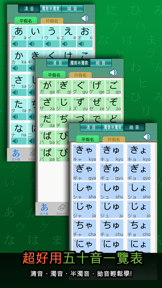
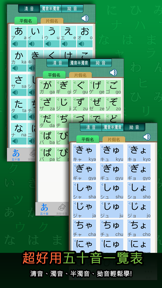
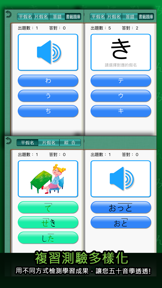
 五十音輕鬆學 !






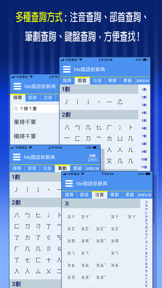
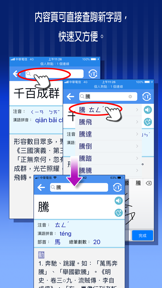


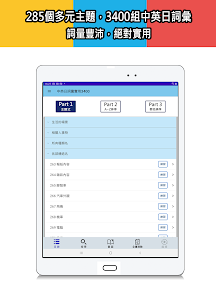


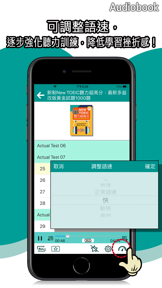





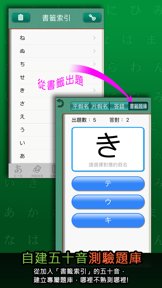


Snapshot
Who is Soyong?
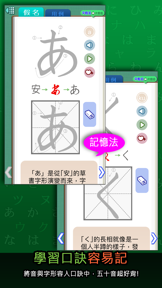
Providing structured digital language learning tools for English and Japanese learners. Enabling mobile-first study through interactive lessons and mnemonic techniques.
Target audience


Portfolio
Free 33Last updated

五十音輕鬆學 !
v4.2.0
1.2y ago
Publisher DNA
What defines Soyong?
Publisher DNA
Primary focus
Language learning and educational reference apps
Scale
studio
Target audience
Students, business professionals, and lifelong learners seeking structured, curriculum-based language acquisition in English and Japanese.
Signature Patterns
- •Digitization of established print-based educational curricula and magazines.
- •Hybrid learning model combining traditional reading modes with interactive audio/video tools.
- •Strong focus on Japanese kana/grammar and English TOEIC/conversation preparation.
- •Freemium monetization model across flagship educational titles.
- •Integration of speech recognition and dictionary tools to support self-study.
Portfolio momentum
Released 7 updates across 21 active apps in the last 6 months, indicating a consistent maintenance and content-refresh cycle.
Portfolio
What does Soyong ship?
Apps
66 apps analysed


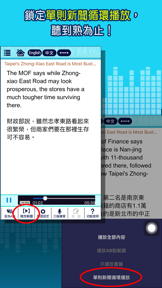
Learn live English and absorb new knowledge! Friends who don’t want to spend a lot of money to study abroad, but want to learn English well, start with ICRT Daily News, learn the most frequently used topic vocabulary from the news, and understand the English of foreigners at ease!


Daily publishing schedule creates a consistent study habit
- Language learners appreciate the ability to repeat specific sentences while listening to current news articles
- Frequent application crashes during news playback interrupt the learning experience for many active users


Localized content partnerships provide specific cultural relevance that global competitors lack.
- Proprietary spaced-repetition engine creates high switching costs through accumulated user vocabulary data.

Americas-centric footprint across 11 markets.
Based on 31 of 66 apps with localized market data, more coverage rolling in as scans complete · last scanned .
Americas (2)
- United States31 / 31
- Mexico1 / 31
Europe (7)
- France1 / 31
- Germany1 / 31
- Italy1 / 31
- Netherlands1 / 31
- Portugal1 / 31
›+2 more europe markets
- Spain1 / 31
- Sweden1 / 31
Asia-Pacific (2)
- Japan1 / 31
- South Korea1 / 31
Core markets (31/31 apps)
User Sentiment
How do users feel about their apps?
0
Positive apps
2
Neutral / mixed
0
Negative apps
50/100
Avg sentiment score
Unlock the app dragging this portfolio down.
Access the full report for freeRivals
Who does Soyong compete with?
The rivals identified
Nemeses(3)


This app competes for the same language-learning demographic by prioritizing high-frequency vocabulary and native-speaker audio, directly challenging the ICRT app's value proposition of 'learning English through real-world content.'


This app competes directly by offering a high-utility, offline-first reference experience that captures the same user base seeking reliable, on-the-go linguistic tools.


Both platforms target the Taiwanese market with a focus on high-quality, curated English content that bridges the gap between academic learning and real-world media consumption.
Contenders(8)


Targets the same Chinese-speaking educational market by aggregating language learning resources.


Targets the same reference-seeking demographic but focuses on modern, evolving colloquialisms rather than formal academic definitions.


Competes for the attention of language learners who require offline access and structured study tools.


Competes for the educational reference market by providing a deep, culturally specific linguistic database similar to our academic focus.


It serves as a lightweight alternative for users seeking basic language comprehension tools with customizable word lists.


Challenges our app by providing specialized linguistic data that helps users improve writing fluency through word pairings.


Directly competes in the high-quality reference space by offering a comprehensive, offline-capable English database.


It serves as a functional alternative for users seeking offline, bilingual reference tools for language acquisition.
Same space(2)


Occupies the same educational niche by providing tools for Chinese language proficiency and dictation practice.


Similar to the German version, this app provides specialized phonetic tools for language learners.
New entrants(6)


A new entrant that leverages AI to provide real-time feedback on pronunciation, overlapping with our linguistic toolset.


Enters the educational space with AI-driven conversational tools that challenge static dictionary references.


While focused on reference, this app competes for the user's daily study time by offering advanced annotation and progress tracking tools for text-heavy content.


It is a new entrant in the general education category, focusing on flexible, progress-tracked learning paths.


This newcomer threatens MeBooks by using AI to summarize complex information into digestible feeds, appealing to the same 'time-poor' learner demographic.


This newcomer enters the education space with a focus on assessment, competing for the time of test-taking students.
The Analyst's Read
The bottom line on Soyong
Bottom line
Soyong Corporation is a disciplined publisher that successfully leverages legacy educational IP to maintain a stable niche in the language learning market. Their high weighted rating suggests strong product-market fit for users who prefer structured, textbook-style learning over gamified alternatives.
Frequently asked questions
How many apps does Soyong publish?
What kind of apps does Soyong make?
What is Soyong's top app?
In how many countries are Soyong's apps available?
What fed this analysis
- Apps analyzed:
- 63
- With full intel:
- 0
- With overview:
- 63
- Website scraped:
- yes
- Social presence:
- no
