


VLR Software
 The Holy Rosary












Publisher DNA
What defines VLR Software?
AI intelligence is not yet available for VLR Software. The portfolio data below is up to date.
Portfolio
What does VLR Software ship?
Apps
9 apps analysed

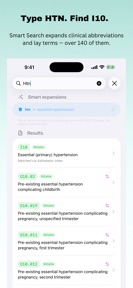
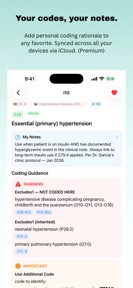
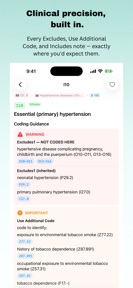
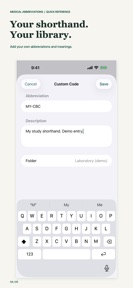
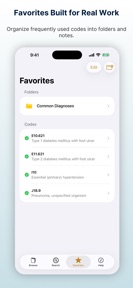
Custom abbreviation entry personalizes the database to specific clinical fields.
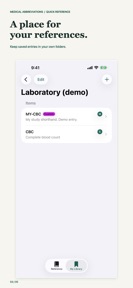
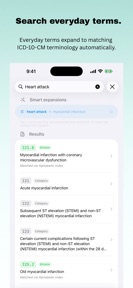
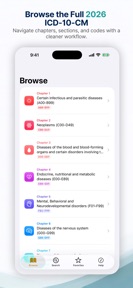
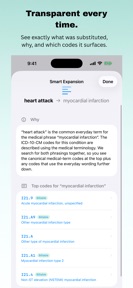
- The medical abbreviation database provides a reliable reference tool for students and practitioners on the go
- The application freezes or becomes unresponsive after purchase, preventing users from accessing the content they bought

Analysis in progress

Analysis in progress

Analysis in progress

Analysis in progress
Americas-centric footprint across 6 markets.
Based on 5 of 9 apps with localized market data, more coverage rolling in as scans complete · last scanned .
Americas (3)
- United States5 / 5
- Brazil1 / 5
- Mexico1 / 5
Europe (3)
- Italy1 / 5
- Portugal1 / 5
- Spain1 / 5
Core markets (5/5 apps)
User Sentiment
How do users feel about their apps?
1
Positive apps
0
Neutral / mixed
0
Negative apps
65/100
Avg sentiment score
Rivals
Who does VLR Software compete with?
The rivals identified
Nemeses(1)

Both applications target healthcare professionals requiring offline-first clinical reference tools, creating direct competition for the same professional user base.
Contenders(7)


Both apps target the same professional and student demographic for medical terminology reference, creating direct competition for daily clinical utility.


Both apps target nursing students and clinicians seeking clinical reference material, creating direct competition for the same professional user base.


This app provides a massive, multi-industry acronym database that competes with the reference utility of Medical Abbreviations: Quick by offering a free, broader scope.


Both applications target healthcare professionals with offline-first, paid-upfront reference tools that allow for custom data entry to support clinical workflows.


Both apps target medical students and professionals seeking to master medical terminology, though they diverge on delivery method between a static reference tool and a video-based learning platform.


Both apps target medical professionals and students seeking offline-first reference tools for clinical terminology. They compete for the same user base looking for quick, on-the-go access to medical data without requiring an active internet connection.


Both apps target healthcare professionals and students requiring offline medical reference tools, creating direct competition for device storage and professional utility.
Same space(4)


MedTerms acts as a study-focused alternative for the same professional audience, prioritizing logic-based learning over the simple lookup functionality of Medical Abbreviations: Quick.


Medical Terminology App targets the educational foundation of the same user base by shifting from reference lookup to active vocabulary mastery.


Merriam-Webster serves as a broad-spectrum linguistic reference that captures the general-purpose dictionary market, whereas Medical Abbreviations: Quick focuses exclusively on clinical shorthand.


This app provides a massive, multi-industry acronym database that competes with the reference utility of Medical Abbreviations: Quick by offering a free, broader scope.
