


Farlex
For students, writers, and legal professionals requiring reliable, offline access to academic and professional terminology.
 Dictionary.









Snapshot
Who is Farlex?
Providing comprehensive linguistic and reference tools for students and professionals. Aggregating authoritative content into accessible, multi-platform search interfaces.
Target audience


Portfolio
Free 30Last updated

Dictionary.
v12.0.8
7mo ago
Publisher DNA
What defines Farlex?
Publisher DNA
Primary focus
Reference and educational utility tools
Scale
indie
Target audience
Students, writers, and legal professionals requiring reliable, offline access to academic and professional terminology.
Signature Patterns
- •Heavy reliance on offline functionality to ensure utility without constant connectivity.
- •Aggregates content from reputable third-party publishers like Webster's and The American Heritage Dictionary.
- •Hybrid monetization model utilizing both ad-supported free tiers and paid premium versions.
- •Focus on deep-linking specific professional verticals, such as legal and grammar-focused reference.
Portfolio momentum
Released 4 updates across 4 apps in the last 6 months, indicating a consistent maintenance and development cycle for their core reference suite.
Portfolio
What does Farlex ship?
Apps
32 apps analysed

Analysis in progress

A clean and responsive interface allows users to search for definitions without unnecessary friction or delay
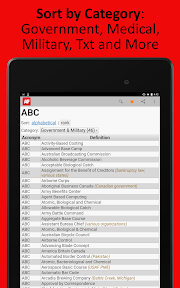
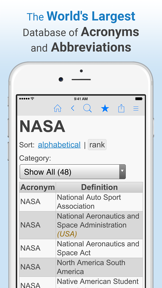
- The extensive database of acronyms provides reliable utility for users navigating modern texting and professional jargon
- The latest update prevents users from entering search terms, rendering the primary functionality of the app unusable

Analysis in progress


Analysis in progress
Americas-centric footprint across 9 markets.
Based on 13 of 32 apps with localized market data, more coverage rolling in as scans complete · last scanned .
Americas (3)
- United States13 / 13
- Brazil1 / 13
- Mexico1 / 13
Europe (6)
- France1 / 13
- Germany1 / 13
- Italy1 / 13
- Netherlands1 / 13
- Portugal1 / 13
›+1 more europe market
- Spain1 / 13
Core markets (13/13 apps)
User Sentiment
How do users feel about their apps?
6
Positive apps
0
Neutral / mixed
1
Negative apps
71/100
Avg sentiment score

Unlock the app dragging this portfolio down.
Access the full report for freeRivals
Who does Farlex compete with?
The rivals identified
Nemeses(3)


Serves as a high-volume English-language reference alternative for users seeking vocabulary games and continuous content updates.


Both apps compete for language learners and reference users, with Dict Box capturing the offline-first, bilingual segment that Dictionary. currently struggles to serve due to ad-heavy monetization and offline access regressions.


Functions as a lightweight, offline-accessible bilingual translation tool for users prioritizing portability.
Contenders(22)


Both apps target French language learners and speakers with offline-capable reference tools, creating direct competition for the same user base.


Both apps target English language learners, competing for the same user base seeking structured language education.


Both apps target language learners with offline-capable English reference tools, creating direct competition for users seeking reliable vocabulary lookup without connectivity requirements.


WordWeb Dictionary competes for the same student and language learner audience by offering an ad-free, offline-first experience that directly contrasts with the aggressive ad-monetization currently driving churn in Dictionary.


Both apps target English language learners, creating direct competition for users seeking structured grammar and language acquisition tools.


Both apps target English language learners seeking grammar improvement, with the rival competing for the same user base through a free, high-volume practice question model.


Both applications target English language learners by providing structured grammar lessons and testing modules for skill assessment.


Both apps target English language learners seeking grammar proficiency, competing for the same user base through distinct learning methodologies: reference-based study versus gamified challenges.


Both apps target students and professionals with offline-first language reference tools, creating direct competition for users seeking reliable, portable definitions.


Both apps target students and professionals seeking English language proficiency, creating direct competition for daily study time and user attention.


Both apps target language learners, but Magoosh captures the test-prep segment through gamified quizzes while Dictionary. serves as a general reference tool.


Both apps target English language learners, with the rival focusing on preposition mastery through gamification while the target app provides a structured curriculum of over 175 lessons.


Both apps target English language learners by providing structured grammar lessons and exercises. They compete for the same user base seeking foundational language improvement.


Both applications target French language learners by providing offline dictionary access and pronunciation tools at no cost.


Both apps target users seeking offline French language reference tools, competing for the same search intent within the dictionary category.


Both apps target language learners, but while Dictionary. provides reference utility, Vocabulary Builder Word Games captures the same audience through gamified retention loops.


Both apps target French language learners with offline-first reference tools, creating direct competition for users seeking reliable verb conjugation and linguistic data.


Both apps target English language learners, competing for time spent on study through distinct modalities of structured grammar reference versus interactive conversation practice.


Both apps target language learners, but Word of the Day competes by shifting the focus from static reference lookups to a personalized, daily vocabulary-building habit.


Both apps target English language learners seeking grammar mastery, competing for the same user base through structured lessons and quiz-based assessment.


Both applications target language learners and writers seeking English definitions and thesaurus functionality, competing directly for the same user base. The rival positions itself as a lightweight, offline-first alternative to the ad-heavy experience currently frustrating users of the source app.


Both applications target English language learners seeking to improve grammar proficiency through structured lessons and testing modules.
Same space(39)


It shares the same IXL Learning ownership and target audience as the source app, but differentiates through unique editorial content and the Dictionary Shuffle feature.


It competes for the same professional and student demographic by offering a clean, ad-free experience that addresses the primary complaints found in the source app.


Specializes in French verb conjugation, providing a focused utility that complements the broader dictionary features of the source app.


It appeals to the same writing and language-learning audience as the source app by using a visual approach to semantic relationships.


Provides a multilingual dictionary platform for users needing to translate French into 20 other languages offline.


It provides specific templates for professional and personal communication, applying grammar knowledge to real-world writing tasks.


Targets the same French-learning audience with a focus on comprehensive language acquisition rather than simple dictionary lookup.


Competes as a community-driven translation tool for users needing bidirectional support between Arabic and other languages.


Offers a robust offline-capable translation and study tool for French learners, similar to the source app's core functionality.


Provides a feature-rich French-English dictionary for learners, though currently hindered by extremely low user ratings.


Provides a feature-rich French-English dictionary for learners, though currently hindered by extremely low user ratings.


It serves the same student and exam-prep audience as the source app by focusing on a 100% offline-first utility model.


Competes for the same language-learning audience by offering professional lexicographer-compiled translations for multiple language pairs.


Targets the same French-learning audience with a focus on mastery through repetitive testing and quiz-based learning.


It serves the same writing-focused audience as the source app by providing a simple, voice-enabled synonym lookup tool.


It serves as a high-capacity reference tool for users requiring professional-grade definitions beyond standard grammar rules.


It combines dictionary and thesaurus data into a single reference, offering a broader linguistic scope than grammar-specific apps.


Provides a specialized verb-focused reference tool for French learners, emphasizing contextual learning over simple definitions.


Acts as a simple multilingual reference tool for students preparing for standardized French proficiency exams.


Functions as a comprehensive bilingual tool that adds advanced hardware-based features to the standard dictionary experience.


It targets the same writing and vocabulary-building audience as the source app by providing specialized tools for word games and rhyming.


It targets the same writing-focused audience as the source app by embedding synonym suggestions directly into the system keyboard.


It serves as a practical application layer for grammar rules by using narrative-driven immersion rather than static lessons.


Provides a specialized monolingual Spanish reference tool for users needing Wiktionary-based definitions and verb conjugation.


A french verb conjugation app competing with Dictionnaire français.


This app competes for the same academic and professional user base by offering a 15-dictionary aggregator that creates higher switching costs than the source app.


It serves the same language-learning audience as the source app but focuses on the specific niche of English-Myanmar translation.


Acts as a bilingual translation peer for users requiring community-verified data rather than static dictionary definitions.


It targets the same professional and student audience as the source app by providing a system-wide keyboard integration for synonym lookup.


It targets the same vocabulary-building audience as the source app but lacks the scale and feature set of the primary reference tools.


Targets the same French-speaking demographic for religious study rather than general linguistic reference.


It targets the same student audience as the source app by offering a combination of dictionary and thesaurus tools with offline access.


It competes for the same student audience as the source app but suffers from a lack of maintenance that creates a high-churn experience.


It complements grammar study by focusing on word acquisition and exam preparation for standardized tests.


It appeals to the same student and writer demographic as the source app by offering a large, offline-first vocabulary database.


It provides specialized terminology for legal professionals, acting as a domain-specific extension to general English learning.


It serves the same research-heavy user base as the source app but provides a neutral, ad-free alternative that avoids the monetization-driven churn seen in commercial dictionaries.


It competes for the same language-learning audience as the source app by prioritizing offline-first access for English, Japanese, and Korean.


It provides historical context for words, acting as a deep-dive reference for users who have already mastered basic grammar.
New entrants(1)


Targets English-speaking French learners with a study-focused dictionary that emphasizes lemma-based lookup and spaced repetition.
The Analyst's Read
The bottom line on Farlex
Bottom line
Users report: Farlex is a stable, niche-focused publisher that has successfully monetized the aggregation of authoritative reference data. Their portfolio demonstrates strong product-market fit for users who prioritize content accuracy and offline accessibility over modern, AI-native search experiences.
Frequently asked questions
How many apps does Farlex publish?
What kind of apps does Farlex make?
What is Farlex's top app?
In how many countries are Farlex's apps available?
What fed this analysis
- Apps analyzed:
- 4
- With full intel:
- 0
- With overview:
- 4
- Website scraped:
- yes
- Social presence:
- yes
