


Ian Tipton
For language students and learners seeking quick-reference tools for verb conjugation and pronunciation.
 German Verb Conjugator
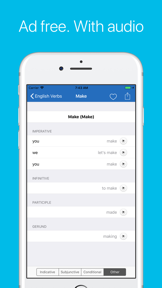

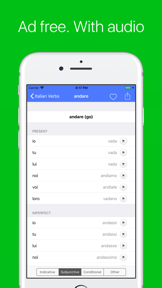
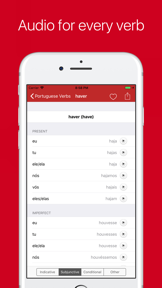
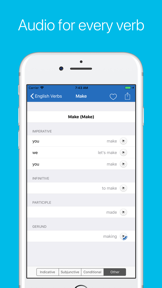

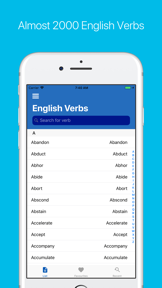
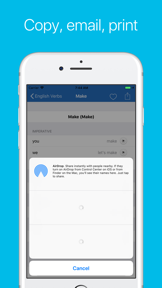


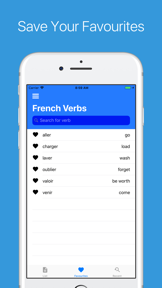


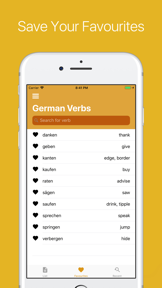

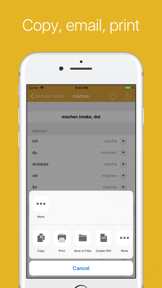


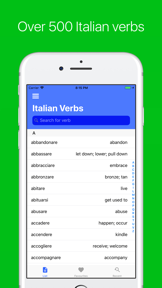
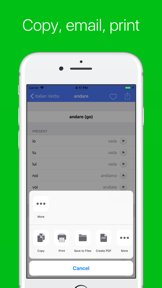

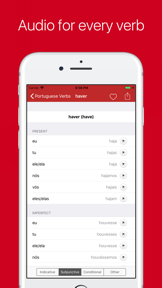



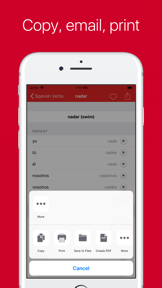
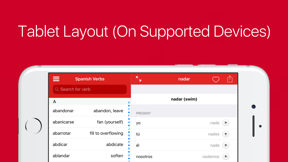
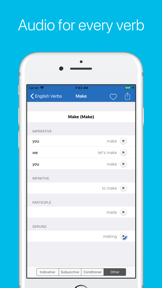
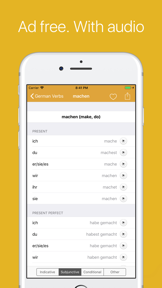



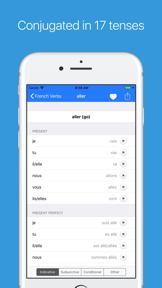
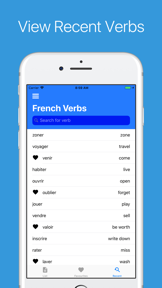
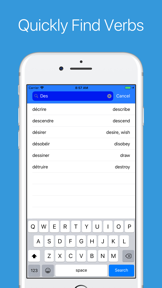


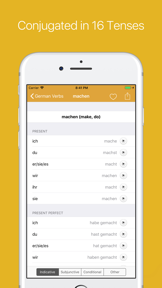
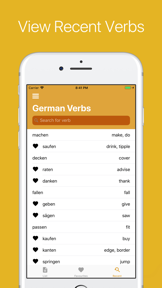
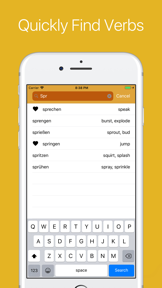
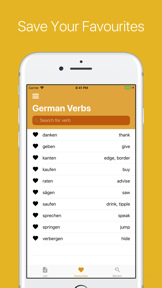


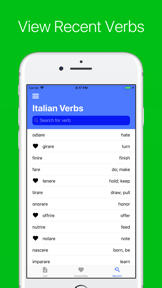

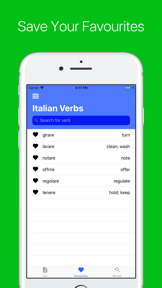
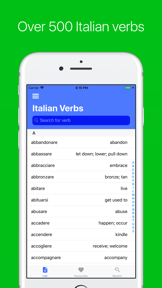
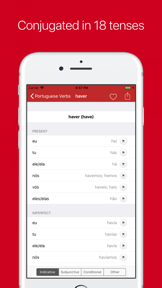


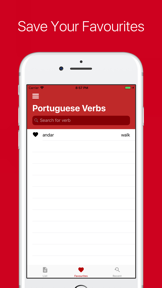
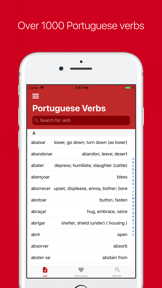
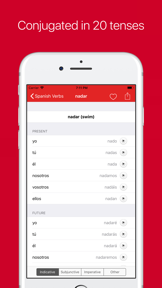
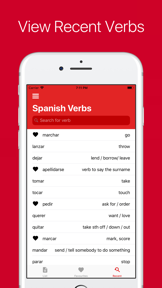
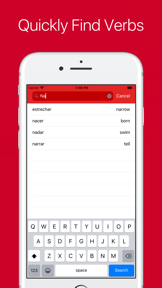






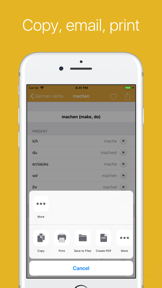

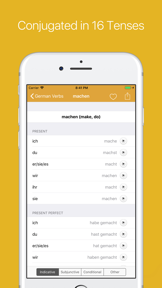

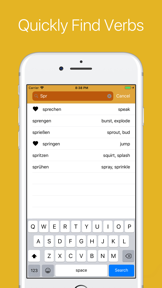
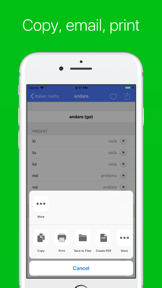


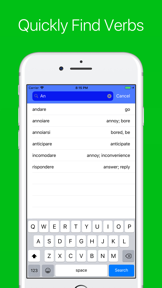


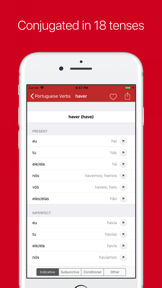
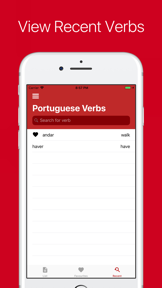

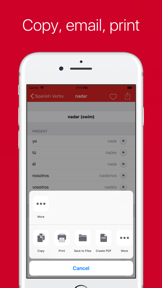


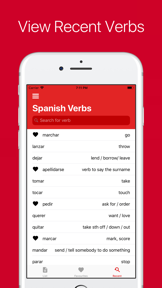

Snapshot
Who is Ian Tipton?
Providing language learners with structured, offline-accessible verb conjugation references for multiple European languages.
Target audience


Portfolio
Free 12Last updated

German Verb Conjugator
v3.9.0
7mo ago
Publisher DNA
What defines Ian Tipton?
Publisher DNA
Primary focus
Education apps · language learning utilities
Scale
studio
Target audience
Language students and learners seeking quick-reference tools for verb conjugation and pronunciation.
Signature Patterns
- •Consistent freemium and free-tier monetization strategy across all titles
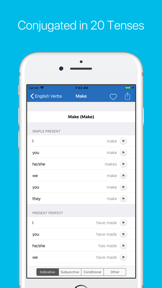
- •Standardized feature set including conjugation databases, audio pronunciation, and example sentences
- •High-frequency release cadence across the entire portfolio
- •Strict focus on the Education category with no diversification into other verticals
Portfolio momentum
With 61 releases in the last 6 months across 12 active apps, the publisher maintains a high-frequency update cadence.
Portfolio
What does Ian Tipton ship?
Apps
12 apps analysed


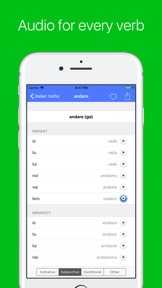
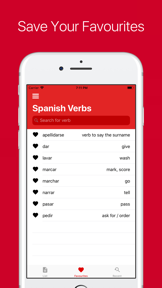
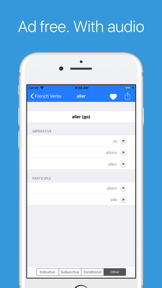
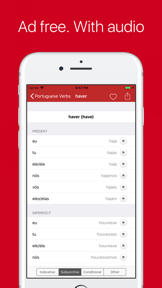
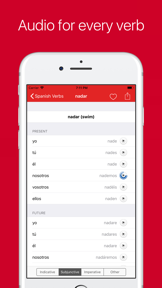
Native speaker audio provides a high-fidelity learning loop for syllable articulation.
- Audio pronunciation features help language learners master complex verb tenses and syllable articulation
- Inconsistent audio availability across the verb library frustrates users who expect full coverage
Europe-centric footprint across 10 markets.
Based on 2 of 12 apps with localized market data, more coverage rolling in as scans complete · last scanned .
Americas (3)
- Brazil2 / 2
- Mexico2 / 2
- United States2 / 2
Europe (7)
- France2 / 2
- Germany2 / 2
- Italy2 / 2
- Netherlands2 / 2
- Portugal2 / 2
›+2 more europe markets
- Spain2 / 2
- Sweden2 / 2
Core markets (2/2 apps)
User Sentiment
How do users feel about their apps?
1
Positive apps
0
Neutral / mixed
0
Negative apps
65/100
Avg sentiment score
Rivals
Who does Ian Tipton compete with?
The rivals identified
Nemeses(6)


Both apps target French language students needing verb conjugation references, competing directly on search utility and accessibility for learners.


Both apps target language learners, with Learna competing for the same user base by offering interactive AI-driven conversation practice that complements the static verb conjugation data provided by English Verb Conjugator Pro.


Both apps target language learners, with Portuguese Verb Conjugator Pro providing static grammatical reference while Verbi focuses on active conversational speaking practice.


Both apps target German language learners needing verb conjugation and grammar support, creating direct competition for users seeking reference tools.


Both apps target German language learners needing verb conjugation and grammar support, creating direct competition for users seeking reference tools.


Both apps target Italian language learners, competing for the same mobile-first user base seeking quick linguistic utility during study or travel.
Contenders(24)


Both apps target French language students needing verb conjugation support, with Conjuu providing active testing while French Verb Conjugator Pro focuses on static reference.


Both apps target English language learners, competing for user time by offering distinct approaches to mastery: static reference versus active AI-driven conversation.


Both apps target language learners requiring offline reference tools, creating direct competition for users who prioritize portability and immediate access to translation data.


Both apps target language learners requiring mobile-first Italian verb conjugation references, competing directly for the same user base in the educational utility category.


Both apps target German language learners, competing for daily study time within the educational category.


This app serves as a companion for users needing phrase-level context to supplement the specific verb conjugation data in the source app.


Both apps target language learners, but they serve different needs: English Verb Conjugator Pro provides static reference data, while Fluza focuses on active, AI-driven conversation practice.


Both apps target language learners requiring offline access, creating direct competition for users prioritizing reliable, connection-free reference tools.


Both apps target English language learners, competing for the same user time by offering distinct approaches to language mastery: static reference versus active AI-driven conversation.


Both apps target French language learners with offline-capable reference tools, creating direct competition for users seeking verb conjugation and pronunciation support.


Both apps target Italian language learners with free, mobile-based tools for verb conjugation and grammar study. They compete directly for the same user base seeking accessible reference materials on mobile platforms.


Both apps target German language learners focusing on verb conjugation, creating direct competition for users seeking to master verb forms.


Both apps target language learners requiring mobile-based grammatical references for verb conjugation. They compete for the same user segment of students and professionals despite focusing on different linguistic markets.


Both apps target French language learners with offline-capable reference tools, creating direct competition for users seeking verb conjugation and pronunciation support.


Both apps target Italian language learners by providing structured verb conjugation practice, competing for the same user base seeking mobile-friendly study tools.


Both apps target Italian language learners through freemium verb conjugation databases, creating direct competition for users seeking mobile reference tools.


Both apps compete for time-constrained German language learners by providing audio-focused reference tools for vocabulary and grammar study.


Both apps target German language learners, competing for the same user base seeking reference tools for vocabulary and grammar. They overlap in their core utility as educational aids for English and German speakers.


Both apps target French language learners specifically for verb conjugation, competing for the same user base seeking to improve grammar and vocabulary skills.


Both applications target Italian language learners by providing specialized verb conjugation tools and reference databases.


Both apps target French language learners seeking offline-capable reference tools, creating direct competition for users prioritizing reliable, non-subscription access to linguistic data.


Both apps target German language learners, competing for the same study time by offering pronunciation and contextual examples for vocabulary and verb mastery.


Both applications target French language learners, with the rival providing structured grammar lessons and tests while the source focuses on verb conjugation reference.


Both apps target French language learners with offline-accessible content, creating direct competition for students seeking study tools that function without internet connectivity.
Same space(42)


Chess-based cognitive training provides a unique retention hook that complements the source app's language-focused utility.


This app serves as a broader curriculum alternative for the same target audience, using an offline-first architecture to maintain utility without internet access.


AI-powered coaching provides a personalized learning path that complements the source app's static conjugation database.


Research-backed oral proficiency focus targets the same learners who use the source app for verb mastery.


Community-based feedback provides a social layer for grammar and verb usage that the source app lacks.


Extensive language library and native audio provide a broader scope than the source app's English-focused conjugation tool.


AI-led conversation practice serves as an active-output alternative to the source app's passive reference database.


Human-led tutoring provides a personalized service model that contrasts with the source app's automated reference tool.


Active speech-forcing curriculum provides a more intensive learning experience than the source app's static reference tool.


AI-driven roleplay scenarios offer an interactive speaking environment that exceeds the source app's static conjugation data.


AI-driven speaking practice offers an active output tool for learners who use the source app for reference.


Movie-based learning provides a contextual alternative to the source app's technical conjugation database.


The app targets travelers needing quick pronunciation and word acquisition, contrasting with the source app's academic conjugation focus.


Focuses on interactive dialogue for users who want to practice speaking the verbs they have learned.


Offers a personalized learning path for users who want to customize their language study beyond static verb tables.


Voice-controlled AI feedback creates an active practice loop that replaces the source app's passive reference data.


Pop-culture content integration provides a high-engagement alternative to the source app's technical verb reference.


The app offers a comprehensive vocabulary and listening curriculum that complements the specific verb conjugation focus of the source app.


Gamified retention loops compete for the same daily study time as the source app's reference utility.


This app functions as a direct reference-tool peer, though it focuses on a different language market while sharing the same offline-database utility.


This app addresses the same niche as the source app but uses a different pedagogical approach to simplify complex grammar.


Gamified leagues and real-life scenarios provide an engaging alternative to the source app's technical verb reference.


Detective stories and grammar drills offer a narrative-driven approach to the same grammar concepts found in the source app.


AI avatar-led tutoring provides a more engaging conversational experience than the source app's reference-based verb data.


The app targets users preparing for standardized exams, acting as a study companion for the source app's reference data.


Serves a distinct niche of users who need to learn ASL rather than spoken languages, requiring specialized gesture-based learning.


This app functions as a static, offline vocabulary tool that serves as a lightweight alternative to the source app's conjugation-heavy database.


This app acts as a general reference tool that users keep alongside the source app for broader vocabulary and translation needs.


This app targets the same Italian language learners but shifts the focus from reference conjugation to active speaking and pronunciation practice.


AI-powered chatbot conversation provides a dynamic practice environment that the source app's reference tool lacks.


Provides a quick, 10-minute daily learning method for users who want to supplement their verb reference tool with active study.


Speaking-first curriculum forces vocal output, providing a more active learning experience than the source app's reference tool.


This app acts as a comprehensive language companion that overlaps with the source app's audience by providing structured grammar lessons.


This app provides a specialized drill-based utility that complements the source app's static conjugation reference.


Provides daily speaking practice for users who want to move from passive verb knowledge to active fluency.


Functions as a high-intent conversational partner for users who have mastered verb forms and seek active fluency.


This app targets the same user base but focuses on high-frequency vocabulary rather than the deep grammatical structure provided by the source app.


Real-time feedback and fluency exercises offer a direct alternative to the source app's static conjugation reference.


This app offers a testing-focused interface that allows users to validate the conjugation knowledge acquired through the source app.


This app is a direct functional substitute for verb conjugation, targeting the same utility-focused user segment.


This tool focuses on broader grammatical rules to support the specific verb conjugation tasks found in the source app.


This app provides video-based instruction that serves as a broader learning supplement to the conjugation-focused reference tool.
New entrants(4)


AI-powered conversational lessons provide a more active learning experience than the source app's static verb reference.


Natural voice chat practice offers a more interactive alternative to the source app's static verb conjugation tool.


Replaces passive lessons with real conversation practice for users looking to apply verb knowledge immediately.


Provides a personal AI coach for users who want to practice speaking and grammar in realistic everyday situations.
The Analyst's Read
The bottom line on Ian Tipton
Bottom line
The publisher is a disciplined niche player that successfully leverages a repeatable product template across multiple languages. Their strategy of maintaining both standard and Pro versions allows them to maximize visibility and monetization within the language-learning utility space.
Frequently asked questions
How many apps does Ian Tipton publish?
What kind of apps does Ian Tipton make?
What is Ian Tipton's top app?
In how many countries are Ian Tipton's apps available?
What fed this analysis
- Apps analyzed:
- 12
- With full intel:
- 0
- With overview:
- 12
- Website scraped:
- yes
- Social presence:
- no
