


Tobo Languages
 Learn Korean Phrases Annyeong






Snapshot


Publisher DNA
What defines Tobo Languages?
AI intelligence is not yet available for Tobo Languages. The portfolio data below is up to date.
Portfolio
What does Tobo Languages ship?
Apps
222 apps analysed

18-theme categorization allows for granular user personalization
- 3,536-quote library exceeds generic collection sizes

Offline-first architecture ensures utility in low-connectivity travel segments
- 21-language support library functions as a B2B distribution barrier into international educational partnerships

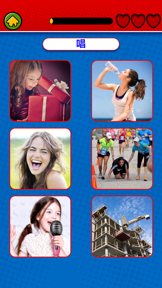
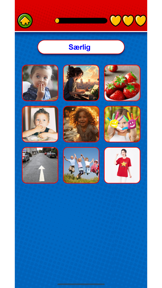
Gamified audio-visual matching lowers the entry barrier for absolute beginners
- 1,989-word offline vocabulary library functions as a distribution barrier for low-connectivity regions

44-category breadth provides high initial content volume
- Offline-first architecture enables utility in low-connectivity regions

- Offline content access removes connectivity dependency
- The rigid three-mistake limit forces a full restart that prevents players from advancing through the content
Americas-centric footprint across 12 markets.
Based on 127 of 222 apps with localized market data, more coverage rolling in as scans complete · last scanned .
Americas (3)
- United States127 / 127
- Brazil1 / 127
- Mexico1 / 127
Europe (7)
- Sweden2 / 127
- France1 / 127
- Germany1 / 127
- Italy1 / 127
- Netherlands1 / 127
›+2 more europe markets
- Portugal1 / 127
- Spain1 / 127
Asia-Pacific (2)
- Japan1 / 127
- South Korea1 / 127
Core markets (127/127 apps)
User Sentiment
How do users feel about their apps?
25
Positive apps
8
Neutral / mixed
10
Negative apps
62/100
Avg sentiment score

Unlock the app dragging this portfolio down.
Access the full report for freeRivals
Who does Tobo Languages compete with?
The rivals identified
Nemeses(5)


This app directly competes for the same beginner-level Arabic learners by utilizing a gamified, structured curriculum that mirrors the target's goal of making language acquisition fun and effective.


Migaku competes directly by offering a sophisticated, media-centric ecosystem for language acquisition that captures the same serious learner demographic as our flashcard-based approach.


This app directly competes for the same casual learner demographic by utilizing a quiz-based interface to reinforce English language proficiency.


This app competes directly by offering a high-polish, gamified approach to vocabulary acquisition that targets the same casual language learner demographic.


This app directly competes for the same daily-habit user base by offering a similar collection of curated quotes and social sharing functionality.
Contenders(16)


It competes for the same beginner-level language learner by focusing on character recognition and foundational writing skills.


It occupies the same 'niche language' flashcard space, targeting users looking for structured, offline-accessible vocabulary tools.


This app competes by providing specialized, high-utility grammar and conjugation training that serves as a functional alternative to general vocabulary building.


It targets the same test-prep and vocabulary-drilling audience, utilizing similar spaced repetition methodologies to drive memorization.


This app targets the educational segment of language learning by emphasizing comprehension modes and customizable word lists.


A direct functional competitor that focuses on the core utility of daily motivation without the bloat of secondary features.


It competes by focusing on the mechanics of character recognition and vocabulary retention through specialized input methods.


This app targets users seeking deeper mastery of character-based writing systems, overlapping with the target's vocabulary and recognition goals.


It competes for the same 'casual learner' audience by using interactive testing to reinforce visual language acquisition.


This app challenges the target by focusing on the tactile, physical aspect of learning scripts and characters through handwriting recognition.


Targets the same gamified learning space but focuses specifically on auditory phonetic training rather than general vocabulary.


This app competes by offering a structured, multi-level vocabulary system that appeals to users seeking a more academic approach to language acquisition.


It shares the target's core methodology of using image-based association to teach vocabulary to language learners.


Competes for the same casual education market by offering a quiz-based format with competitive leaderboards.


Shares the same 'drill-based' educational philosophy, though it focuses on a different language and specific verb conjugation.


A high-tech contender that leverages advanced Apple Intelligence to provide a more personalized, modern experience than the target app.
Same space(12)

This app occupies the same education category by leveraging AI to provide personalized feedback and conversation practice.


This app serves the same educational niche by leveraging AI to assist with character dictation and writing practice.


It competes for the same educational time-share by offering contextual vocabulary bundling and community-driven learning.


It shares the educational space by focusing on visual language acquisition and communication tools.


It occupies the same educational space by providing specialized, high-frequency practice for language certification exams.


It competes for the same demographic of early-stage learners by using AI to track progress and emotional engagement.


This app competes by offering a modern, AI-powered conversational experience that makes language learning more interactive.


This app occupies the same wellness-lifestyle niche by pairing daily inspiration with specific, actionable ritualistic habits.


A dominant player in the affirmation space that competes for the same daily-habit lifestyle audience.


This app serves as a reference tool that overlaps with the target's goal of providing accessible vocabulary resources.

known for feel - daily manifest
Competes for the same mindfulness-seeking audience by shifting from passive reading to active manifestation tracking.


Targets the same philosophical and life-lesson audience by using urgency and reflection to drive daily engagement.
New entrants(9)


A new entrant that challenges the target by focusing on privacy-first, camera-based character recognition technology.


This newcomer competes for the same 'test-prep' educational budget, utilizing high-volume flashcard sets to attract users.


A new entrant that challenges the target's educational focus by introducing advanced speech-specific AI training.


This newcomer disrupts the space by using generative AI to create personalized, image-assisted learning content.


Disrupts the static quiz market by offering memory-enabled AI conversations that simulate real-world language usage.


A new entrant in the education category that highlights the growing demand for specialized, community-led learning platforms.


This app enters the education space by focusing on the assessment side of learning rather than content delivery.


A minimalist newcomer that focuses on habit formation through daily check-ins and journaling.


A niche newcomer that targets the intersection of spiritual education and interactive content.
