


ADARIC PTE
For casual gamers and music enthusiasts looking for reflex-based rhythm challenges and relaxing puzzle sessions.
 Piano Fire: Edm Music & Piano








Snapshot
Who is ADARIC PTE?
Providing casual gamers with immersive rhythm-action experiences and accessible puzzles driven by a deep, frequently updated music library.
Target audience


Portfolio
Free 10Last updated

Piano Fire: Edm Music & Piano
v1.0.241
7mo ago
Publisher DNA
What defines ADARIC PTE?
Publisher DNA
Primary focus
Mobile games · rhythm and puzzle niche
Scale
indie
Target audience
Casual gamers and music enthusiasts looking for reflex-based rhythm challenges and relaxing puzzle sessions.
Origin
Adaric Music is committed to creating music apps and games to provide an ultimate music experience.
Portfolio momentum
Maintains an intense development pace with 24 releases across 9 active apps in the last 6 months, including a major update within the last 12 days.
Portfolio
What does ADARIC PTE ship?
Apps
10 apps analysed

One move leads to more. Merge numbers in this addictive 2248 puzzle.


Minimalist UI that reduces cognitive load
- Engaging Gameplay
- Excessive Ad Frequency

Pop beats meet rhythm battles—Take your gun and enjoy shooting music tiles!


One-tap control maximizes top-of-funnel acquisition
- Core rhythm gameplay provides a nostalgic and addictive experience for long-term players
- Intrusive forced advertisements break the flow of gameplay and hinder progress

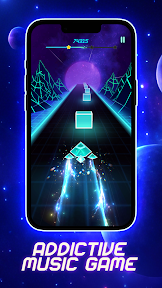
Smash the neon beat, Dominate the cyber sky! Addictive Music Game 2025.


Offline play capability
- Trending genre coverage (Phonk, K-Pop)

Master addictive gem block puzzle 2026 strategies. Relax, crush and win rewards!


Distributed across 20 markets, strongest in Europe.
Based on 3 of 10 apps with localized market data, more coverage rolling in as scans complete · last scanned .
Americas (4)
- Brazil3 / 3
- United States3 / 3
- Mexico2 / 3
- Canada1 / 3
Europe (9)
- France2 / 3
- Portugal2 / 3
- Spain2 / 3
- Germany1 / 3
- Italy1 / 3
›+4 more europe markets
- Netherlands1 / 3
- Sweden1 / 3
- Turkey1 / 3
- United Kingdom1 / 3
Asia-Pacific (7)
- Japan2 / 3
- South Korea2 / 3
- Australia1 / 3
- India1 / 3
- Indonesia1 / 3
›+2 more asia-pacific markets
- Singapore1 / 3
- Vietnam1 / 3
Core markets (3/3 apps)
User Sentiment
How do users feel about their apps?
1
Positive apps
3
Neutral / mixed
0
Negative apps
63/100
Avg sentiment score
Unlock the app dragging this portfolio down.
Access the full report for freeRivals
Who does ADARIC PTE compete with?
The rivals identified
Nemeses(5)


This app competes for the same casual rhythm audience by using ball-jumping mechanics rather than tile-tapping to execute the rhythm loop.


Direct aesthetic and mechanical competitor utilizing the same 'cyber-neon' visual identity and 'drag-to-hit' rhythm gameplay with high update velocity (10 releases in 6 months).


Both apps compete for casual music enthusiasts by utilizing rhythm-based gameplay as the primary interaction model for short-session mobile engagement.


A highly active competitor (9 releases in 6 months) that dominates the '2048' search intent with a high-polish variant.


Both apps target casual rhythm gamers, competing directly for the same short-session mobile entertainment time through music-based gameplay.
Contenders(25)


Piano 7 captures the same casual rhythm-game audience by utilizing a high-frequency tapping loop and a diverse song library.


Both apps target the casual rhythm-game audience by offering tile-based music gameplay, competing for the same time-share on mobile devices.


Both apps compete for the same casual rhythm-gaming audience by utilizing one-tap mechanics and ad-supported monetization to drive session engagement.


Both apps target casual rhythm gamers seeking short-session musical interaction, creating direct competition for the same user segment.


This app attracts the same rhythm-game audience by emphasizing studio-quality audio and realistic piano simulation, offering a more technical sound experience than the pop-focused Piano Fire 2.


This app targets the same rhythm-game demographic but introduces a unique sliding button mechanic to increase the skill ceiling for competitive players.


This app targets the same casual stress-relief segment but maintains a minimalist interface that contrasts with the feature-rich, event-heavy approach of Piano Fire 2.


This app serves as a legacy alternative for the same casual rhythm player base, relying on a global leaderboard system to maintain engagement without active content updates.


This app appeals to the same rhythm-game audience by shifting the focus toward high-speed, adrenaline-fueled gameplay and intense visual effects.


Both apps compete for the same casual music enthusiast audience by utilizing gamified rhythm and piano mechanics to drive engagement within the mobile music category.


This app targets the same casual music enthusiast base but provides a more collaborative experience through its unique jam-session mechanics.


Both apps target the casual rhythm-tile game market, competing for the same user base through song-based gameplay and tile-tapping mechanics.


This app competes for the same casual rhythm audience by using unique cat-themed audio remixes to differentiate its core gameplay experience.


A direct mechanic rival that targets the same '2248' keyword and offers a more utility-heavy toolset for board management.


Both apps compete for the same casual rhythm-gaming audience by utilizing freemium, ad-supported models to monetize short-session gameplay.


Both apps compete for the same casual rhythm-game audience by offering tile-based music gameplay and aesthetic customization. They overlap directly in the mobile rhythm category, targeting users who prioritize music-synced interaction.


A major threat for the K-Pop audience segment mentioned in Beat Rush's description, backed by official artist IP.


Both apps target casual gamers seeking rhythm-based entertainment, creating direct competition for daily active users within the music-game category.


Both apps compete for the same casual rhythm-tile gaming audience by utilizing piano-themed mechanics and song-based progression loops.


Both apps compete for the same casual rhythm-tile gaming audience, with the rival directly addressing the library depth and user-content gaps identified in Piano Fire 2.


High-velocity competitor (17 updates in 6 months) that shares the 3D 'skyway' perspective and neon aesthetic.


Both apps target casual rhythm gamers using EDM soundtracks, creating direct competition for session time within the music-game category.


A strong alternative that bridges the gap between physics-based dropping and number merging, competing for the same 'satisfying' UX niche.


A rising contender with high update frequency (10 releases) and a unique 'dynamic judgment line' mechanic.


Both apps target the same casual rhythm-gaming audience with EDM-focused gameplay and free-to-play monetization models.
Same space(23)


This app differentiates itself from the standard rhythm loop of Piano Fire 2 by incorporating tactical puzzle-platformer elements.


This app competes for the same casual rhythm audience by offering a massive, anime-themed song library that differentiates it from the mainstream pop focus of Piano Fire 2.


This app targets the same casual rhythm-game audience by providing a consistent, weekly-updated content stream to sustain long-term engagement.


This app directly mirrors the EDM-focused rhythm loop but suffers from similar ad-driven retention friction.


Occupies the 'Music' category but serves as a creator marketplace rather than a rhythm game.


This app occupies the same casual rhythm space by focusing on a constantly updated library of pop and Kpop hits to drive daily engagement.


A dominant number-based peer that focuses on logic and pair-clearing rather than the growth-based merging of the target.


A market-leading peer that successfully blended two distinct genres (Block Puzzle and Sudoku) to capture a broad puzzle audience.


It targets the same casual rhythm-game audience with a focus on high-speed, one-finger tapping mechanics.


This app serves as an adjacent tool for rhythm-game fans who want to turn their own music library into playable stages.


This app serves the same casual player base seeking stress relief through simple piano-tile mechanics.


Piano Game Fast Tiles targets the same rhythm-game player base with a standard tile-tapping mechanic and global leaderboards.


It targets the same rhythm-game demographic by focusing on trending viral hits and EDM tracks.


This app captures the same rhythm-game audience by specializing in Kpop content and offering social competitive modes like Rhythm Battle.


It shares the same core rhythm-tapping loop while expanding the instrument focus beyond piano to include drums and guitar.


It occupies the same niche of tap-based music games, appealing to users who enjoy EDM and pop rhythm challenges.


Neon Music competes for the same casual player time using a tile-based interface and rhythm-matching mechanics.


The gold standard for 'Cyberpunk' aesthetics in the rhythm genre, though it focuses on story-driven premium play.


Massive ecosystem peer that defined the 'neon-rhythm-platformer' sub-genre.


The primary 'Zen' puzzle peer that defines the aesthetic and pacing standards for the casual puzzle category.


It competes for the same EDM-focused audience by allowing users to import their own music files.


This app provides a similar reaction-speed challenge for users who enjoy the classic piano-tile gameplay format.


This app targets the same rhythm-game audience by focusing specifically on EDM and hip-hop coordination challenges through ball-jumping mechanics.
Frequently asked questions
How many apps does ADARIC PTE publish?
What kind of apps does ADARIC PTE make?
What is ADARIC PTE's top app?
In how many countries are ADARIC PTE's apps available?
What fed this analysis
- Apps analyzed:
- 9
- With full intel:
- 3
- With overview:
- 9
- Website scraped:
- yes
- Social presence:
- no
