
AI Video Generator - AI Hug & Kiss Video Maker
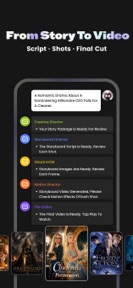
 Drma: AI Short Drama Maker





Publisher DNA
What defines AI Video Generator - AI Hug & Kiss Video Maker?
AI intelligence is not yet available for AI Video Generator - AI Hug & Kiss Video Maker. The portfolio data below is up to date.
Portfolio
What does AI Video Generator - AI Hug & Kiss Video Maker ship?
Apps
1 app analysed

Create AI short dramas with scripts, storyboard videos, and one-tap editing.


High user satisfaction rating
- The core short drama creation tool provides a creative outlet for users looking to build stories
- Aggressive monetization via mandatory credit purchases prevents users from creating content without upfront payment
Distributed across 9 markets, strongest in Asia-Pacific.
Based on 1 of 1 app with localized market data · last scanned .
Americas (2)
- Canada1 / 1
- United States1 / 1
Europe (2)
- Turkey1 / 1
- United Kingdom1 / 1
Asia-Pacific (5)
- Australia1 / 1
- India1 / 1
- Indonesia1 / 1
- Singapore1 / 1
- Vietnam1 / 1
Core markets (1/1 apps)
User Sentiment
How do users feel about their apps?
1
Positive apps
0
Neutral / mixed
0
Negative apps
65/100
Avg sentiment score
Rivals
Who does AI Video Generator - AI Hug & Kiss Video Maker compete with?
The rivals identified
Nemeses(2)

Both apps target social media creators by automating video production from text prompts, creating direct competition for users seeking to replace manual editing workflows.


Both applications target the AI video creation market by converting text prompts into visual content for social media creators. They compete directly for users seeking automated tools to produce short-form video narratives.
Contenders(15)


Both applications target content creators and social media users by providing text-to-video generation tools. They compete directly on the utility of converting text prompts into motion visuals.


Both apps target the AI video generation market for social media content, competing for users seeking automated video creation from text prompts.


Both apps compete for users seeking AI-powered video generation, with Drma focusing on narrative storytelling and Mitu targeting photo-based prank content.


Both apps target social media creators seeking AI-powered video production, with Drma focusing on short drama workflows and Flashloop on general cinematic generation.


Both apps target content creators seeking AI-assisted video production, competing for the same time-constrained user base looking to automate social media video creation.


Both applications target social media creators with text-to-video generation tools, creating direct competition for users seeking accessible content creation workflows.


Both apps target content creators seeking AI-powered video generation for short-form media, competing directly for users who lack manual editing expertise.


Both apps compete for users in the AI video generation market by offering tools to convert ideas or images into short-form video content.


Both applications target the text-to-video generation market for social media creators, competing for users seeking automated content creation tools.


Both apps target the AI video generation market with free-to-access models, competing for creators seeking text-to-video and image-to-video conversion tools.


Both applications target social media creators by providing free text-to-video and image-to-video generation tools for content production.


Both applications target content creators seeking AI-driven video production, with GenV focusing on cinematic clips via external APIs while Drma emphasizes a structured drama-specific workflow.


Both apps target content creators with AI-driven video production tools, competing for users seeking automated short-form video creation.


Both apps compete for the same casual social media creator segment by providing free generative AI tools for video production.


Both apps target the AI video generation market with free-to-access tools, competing for users seeking text-to-video and image-to-video creation capabilities.
Same space(36)


Adobe Firefly competes by integrating generative AI directly into the Creative Cloud workflow, appealing to users who need studio-quality asset production.


Draw Animation offers a manual, frame-by-frame alternative to Drma's automated AI workflow for users who prefer hands-on storytelling.


Canva serves as a broad creative platform that competes for the same non-expert user base by integrating AI video generation within a massive existing design library.


Captiono serves as a specialized utility for automatic subtitles, coexisting with the source app by solving a specific post-production pain point.


Captions replaces manual editing with chat-based prompts, offering a distinct workflow for creators who prefer conversational AI over timeline interfaces.


Animation Creator provides a manual 2D animation alternative for users who want to build original stories frame by frame.


Vidix serves as a creative studio for transforming photos into 3D characters and videos, overlapping with Drma's video generation capabilities.


PowerDirector offers a comprehensive suite that bridges the gap between manual professional editing and automated AI enhancements.


Nexus offers a similar image-to-video generation workflow, targeting social media enthusiasts who want to animate static content.


VidFox focuses on pet and portrait animation, providing a specialized subset of the video generation features found in Drma.


Magnific targets professional creative teams with a node-based workspace that offers more complex workflow control than Drma.


Glam AI targets the viral-content market with fashion-focused AI tools, serving as a specialized alternative for trend-driven creators.


VivaCut targets the prosumer segment, offering manual timeline control that contrasts with the automated generation focus of the source app.


Dizzi AI focuses on aesthetic stylization through templates, serving as a rapid-creation tool for casual social media users.


Photo to Video provides specific frame-to-frame animation and motion transfer, acting as a targeted tool for bringing static images to life.


Kling AI focuses on high-fidelity physics-based motion simulation, catering to creators who require cinema-grade output rather than simple social edits.


Leonardo.Ai competes for the same creative mindshare by offering professional-grade generative models and an upscaler that rivals the output quality of Drma.


Videoleap provides a professional-grade alternative by blending traditional multi-track editing with AI-driven automation for social media creators.


PixAI serves the anime-specific creative niche, offering specialized tools that Drma users might adopt for stylistic variety.


Framly offers a simplified all-in-one studio for converting text and photos into viral social media content.


MePic competes for social-media-first creators by focusing on high-fidelity face animation and viral sports-themed content.


Format Finder acts as a strategic layer for content creators, providing the viral structures and hooks that inform the actual video production.


YouCam AI Pro consolidates multiple high-end AI models, offering a broader range of generation engines than Drma's internal workflow.


CloneAI focuses on artistic transformation and dynamic transitions, serving as a creative filter tool for social media trends.


Vixer provides a simplified editing experience for social media, acting as a direct peer for users seeking intuitive, automated tools.


Renderforest provides a broad template-based editing environment, acting as an all-in-one alternative for users without editing experience.


Runway acts as a comprehensive model aggregator, providing a centralized platform for various generation engines that Drma users might otherwise seek individually.


InShot competes for casual creators by prioritizing a low-friction interface, though it lacks the generative AI focus found in the source app.


Filmora targets professional-grade output, offering advanced AI tools that serve as a higher-fidelity alternative to the source app.


AI Art Generator targets casual users with specific utility tools like logo and tattoo generation that differ from Drma's drama-centric workflow.


starryai provides a general-purpose AI art generation tool that complements Drma's video-focused output with static visual assets.


Tripo expands the creative scope beyond Drma's 2D drama focus by enabling the generation of 3D models from text or images.


Vids AI focuses specifically on Instagram Reels optimization, serving as a niche alternative for creators prioritizing short-form growth.


Viggle AI specializes in motion-controlled character swapping, providing a viral-first animation tool that complements the source app.


CreArt provides an all-in-one image and video generation playground that competes with Drma's creative workflow.


Zoomerang leverages a community-driven model to help users produce trending content, acting as a viral-first alternative to the source app.
New entrants(4)


Dreamina AI bridges static image generation with cinematic video, using reference tools that compete with Drma's storyboard control.


Vibro AI serves as a general-purpose creation platform, offering text-to-video and image-to-video tools for rapid content generation.


VidGlow combines photo animation with voice synthesis, offering a unique multi-modal creative studio for personal content.


FlashReel offers a template-based approach to AI video generation, providing a faster alternative to Drma's step-by-step workflow.
