


Bram Bos
For electronic musicians, sound designers, and mobile producers seeking tactile, experimental, or generative audio tools for iPad and Mac.
 Rozeta Sequencer Suite







Snapshot
Who is Bram Bos?
Providing mobile musicians with specialized AUv3 plugins and generative tools for DAW-less electronic music production.
Target audience


Portfolio
Free 1Last updated

Rozeta Sequencer Suite
v1.3.16
3.4y ago
Publisher DNA
What defines Bram Bos?
Publisher DNA
Primary focus
iOS music production and AUv3 plugins
Scale
studio
Target audience
Electronic musicians, sound designers, and mobile producers seeking tactile, experimental, or generative audio tools for iPad and Mac.
Origin
Bram Bos began developing music software in the mid-90s, notably creating the Hammerhead drum machine before transitioning to mobile development.
Signature Patterns
- •Strict adherence to AUv3 plugin architecture for cross-app integration.
- •Premium monetization strategy with a focus on paid upfront titles.
- •Specialization in generative and non-linear sequencing tools over traditional MIDI editing.
- •Frequent collaborative development with niche electronic musicians and sound designers.
- •Visual interfaces that mimic boutique hardware and modular synthesizer aesthetics.
Portfolio momentum
The publisher is highly active, having shipped 13 updates or releases in the last 6 months with a recent major launch occurring within the last few days.
Portfolio
What does Bram Bos ship?
Apps
23 apps analysed

AUv3 plugin support enables professional DAW integration
- Generative sequencers automate pattern creation for EDM jams


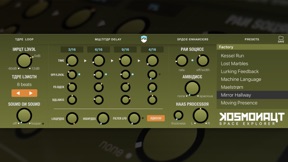
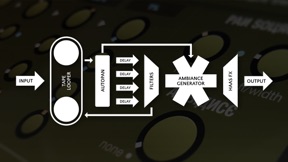
Tape-speed manipulation mechanism provides a unique, non-grid-based creative workflow for experimental producers
- Tape loop emulation provides a tactile and creative sound manipulation experience for experimental music producers
- Audio signal issues and interface blanking occur when connecting to external hardware outputs during live sessions

Single-market publisher, every app ships only to United States.
Based on 3 of 23 apps with localized market data, more coverage rolling in as scans complete · last scanned .
Americas (1)
- United States3 / 3
Core markets (3/3 apps)
User Sentiment
How do users feel about their apps?
3
Positive apps
0
Neutral / mixed
0
Negative apps
82/100
Avg sentiment score

Rivals
Who does Bram Bos compete with?
The rivals identified
Nemeses(4)


Offers vocal processing tools for producers who use Mozaic for MIDI sequencing in the same DAW.


Both apps target mobile music producers, but Fluss focuses on experimental granular synthesis while FL Studio Mobile provides a full multi-track production environment.


KORG Gadget 3 is the industry standard for mobile grooveboxes, offering a massive ecosystem of specialized synths and drum machines that directly compete with the target's 'all-in-one' EDM jam premise.


Both apps target mobile photography enthusiasts seeking vintage aesthetics, though they diverge on manual control versus one-tap filter workflows.
Contenders(19)


Offers transient shaping for users who need to process the output of granular synthesis tools.


Both apps target experimental music producers, but Fluss focuses on real-time audio manipulation while Fugue Machine focuses on generative MIDI sequencing.


Both apps target iOS music producers seeking advanced MIDI control, but Quantum focuses on interactive step sequencing while Mozaic provides a scripting sandbox for custom MIDI tool creation.


Both apps target sound designers on the AUv3 platform, competing for the same creative workflow time despite differing synthesis methods.


Both apps target sound designers seeking experimental audio tools on Apple platforms, with both offering free entry points for modular or granular sound manipulation.


Both apps target iOS electronic music producers using AUv3 MIDI tools, but Mozaic offers a scripting sandbox while MelodyBud provides a ready-made generative sequencer.


Both apps target iOS musicians generating MIDI patterns, but Mozaic offers a scripting sandbox while Frenzy provides a physics-based object sequencer.


Both apps target mobile musicians using AUv3 workflows, competing for the same creative time and screen space on iOS devices.


Both apps target the iOS granular synthesis market, competing for the same music producer audience through distinct approaches to audio manipulation.


Both apps target iOS music producers needing custom AUv3 MIDI processing, specifically focusing on generative workflows and event-triggered MIDI message routing.


Both applications target sound designers and musicians with granular synthesis capabilities, competing for the same creative workflow time in the experimental audio space.


A powerful, full-featured mobile DAW that serves the same beat-making audience but with a much steeper learning curve.


Both apps target iOS music producers using AUv3 hosts, competing for utility plugin spend despite serving different functional needs.


Both apps target musicians and sound designers through gesture-based, touch-centric audio manipulation workflows for experimental sound design.


Both apps compete for the same electronic musician audience within the iOS granular synthesis niche, utilizing distinct tactile interfaces to manipulate audio textures.


High-velocity development and a unique, performance-oriented sampling workflow make this a major threat to the target's ease-of-use.


Both apps target the analog photography aesthetic, but XP4N provides a full shooting experience while Halationify functions as a post-processing tool for existing images.


Both apps target the analog photography market by offering film emulation and manual camera adjustments to replicate vintage shooting experiences.


Both apps target mobile sound designers using Audio Unit workflows, with Spectrum offering a broader suite of synthesis modules compared to the specialized granular focus of Fluss.
Same space(51)


Final Cut Camera serves as a professional-grade capture companion for the same mobile photography segment, focusing on multi-camera production workflows.


Targets the same production audience but requires persistent internet connectivity for its cloud-based sound pack access.


Generates procedural textures that serve as raw material for granular synthesis workflows.


Shares the professional-grade synthesis focus but uses open-source architecture instead of physics-based granular control.


Functions as a modular laboratory for users who want to build custom signal chains without the physics-based interface.


Blackmagic Camera targets the professional segment of the same photography space, offering advanced manual controls that exceed the scope of XP4N.


Provides MIDI modulation tools that complement granular synthesis for complex rhythmic sound design.


Hypic offers AI-driven digicam filters that compete for the same aesthetic-focused audience as XP4N.


Provides dynamic audio control for producers using Mozaic for MIDI-based sequencing.


Acts as a technical utility for troubleshooting MIDI configurations that Mozaic users might build.


Provides specialized vocal processing that complements the MIDI-centric production tools found in Mozaic.


Better Camera focuses on manual controls and honest light capture, appealing to the same photography enthusiast audience as XP4N.


Dazz Cam competes for the same vintage-aesthetic audience but uses a subscription-based model rather than the one-time purchase approach of XP4N.


Serves as a portable MIDI controller for mobile producers who need touch-based input for Mozaic-generated tools.


DJI Mimo provides hardware-integrated control for gimbal users, serving as a necessary utility for mobile creators who also use XP4N for photography.


Crown & Flint serves as a digital companion for analog photographers, providing metadata logging that complements the film-aesthetic focus of XP4N.


Snapseed provides a professional-grade, ad-free utility for mobile photographers, serving as a direct alternative for users seeking precision without subscriptions.


Offers a deep synthesis environment for power users who require multi-method sound design beyond granular textures.


65×24 PANORAMIC CAMERA is a direct competitor to XP4N, offering the same panoramic aspect ratio and manual controls.


Offers generative music engines that serve as an alternative to Mozaic's custom MIDI scripting environment.


Functions as a sound processor that transforms audio into textures, overlapping with granular synthesis capabilities.


Serves as a diagnostic tool for developers who need to inspect raw MIDI packets generated by Mozaic.


Introduces a unique audio model format for generating expressive instruments, providing an alternative to granular synthesis.


Acts as the central routing hub for users to chain audio into larger performance or recording setups.


Kino targets the same prosumer audience as XP4N, focusing on cinematic video capture through expert-curated color science.


Focuses on MIDI drum sequencing, serving as a specialized alternative to Mozaic's general-purpose MIDI development.


Offers a custom MIDI IDE for designing control layouts, overlapping with Mozaic's focus on custom tool creation.


Provides a touch-based MIDI controller interface that serves as a hardware alternative for Mozaic users.


Replicates Eurorack modularity for users who want to build complex synthesis environments beyond granular processing.


Attempts to map visual scenes to sound libraries, providing a workflow for sound designers who also use granular tools.


Provides AI-driven audio processing that complements the MIDI-centric production workflows found in Mozaic.


Offers a broader DAW environment for users who need to arrange granular textures within a full production project.


Appeals to professional sound designers by offering modular synthesis with a simplified interface.


Provides basic MIDI file playback for users who need to test files outside the Mozaic development environment.


Provides a standard virtual instrument for users who need traditional sounds alongside experimental granular synthesis.


Prequel focuses on aesthetic-driven social media content, providing motion-graphics tools that differ from the static panoramic focus of XP4N.


RitchieCam offers a one-step, retro-filter capture experience that aligns with the aesthetic goals of XP4N users.


WayShot automates the aesthetic editing process using AI personas, serving a more casual user base than the manual-control focus of XP4N.


Provides a creative sequencing alternative for users who want generative patterns without Mozaic's scripting requirements.


A professional-grade DAW that targets the prosumer segment, offering a more traditional studio experience.


srRAW Cinema Camera provides high-fidelity RAW capture for professional filmmakers, serving a more technical niche than the aesthetic-focused XP4N.


Persona targets the same portrait-focused user base as XP4N, but emphasizes AI-driven beauty enhancements over film-camera simulation.


Manages complex MIDI setups and routing, serving as a hub for users who build multiple Mozaic plugins.


Evoto provides desktop-grade portrait retouching tools that serve as a post-capture utility for the same photography enthusiast audience.


Provides a simple trigger interface for users who need to play back processed granular samples during live performances.


Directly competes in the granular and spatial processing space with a focus on microscopic manipulation.


BeautyCam offers high-fidelity camera emulation filters that overlap with the aesthetic goals of XP4N users.


Provides diffusion and reverb effects that complement the textures created by granular synthesis.


Extends MIDI control to external DJ software, serving users who need remote hardware interaction.


FilmMeter serves the analog photography workflow by providing light metering and camera management, complementing the film-aesthetic focus of XP4N.


Serves the same mobile audio production market but focuses on general editing rather than granular synthesis.
New entrants(4)


A highly specialized, innovative drum sequencer that has seen recent updates and maintains a cult following for its unique UI.


Provides a full DAW environment for arranging and finishing tracks created with granular synthesis tools.


Captures spontaneous performances, allowing users to save improvisations made while experimenting with granular synthesis.


Provides generative sequencing for users who want to create music without the technical scripting required by Mozaic.
The Analyst's Read
The bottom line on Bram Bos
Bottom line
Bram Bos is a leading developer in the iOS music space, successfully leveraging a 'boutique hardware' brand identity. His disciplined focus on the AUv3 standard and generative MIDI utilities makes the portfolio a critical infrastructure component for the professional mobile musician segment.
Frequently asked questions
How many apps does Bram Bos publish?
What kind of apps does Bram Bos make?
What is Bram Bos's top app?
In how many countries are Bram Bos's apps available?
What fed this analysis
- Apps analyzed:
- 22
- With full intel:
- 0
- With overview:
- 22
- Website scraped:
- yes
- Social presence:
- no
