


cocone ONE
For primarily women and casual gamers interested in fashion, virtual pet care, and social customization.
 Starry Whiskers: Cats Atelier









Snapshot
Who is cocone ONE?
Facilitating creative self-expression through high-fidelity avatar customization, virtual pet care, and social simulation environments.
Target audience


Portfolio
Free 17Last updated

Starry Whiskers: Cats Atelier
v2.8.30
10mo ago
Publisher DNA
What defines cocone ONE?
Publisher DNA
Primary focus
Social simulation and avatar-based networking
Scale
studio
Target audience
Primarily women and casual gamers interested in fashion, virtual pet care, and social customization.
Signature Patterns
- •Heavy emphasis on deep avatar customization and extensive digital fashion catalogs
- •Integration of social networking features within virtual pet and home simulations
- •Freemium monetization models utilizing gacha systems and tiered subscription passes
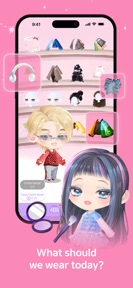
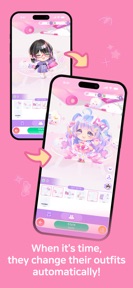
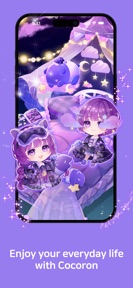
- •Visual style characterized by high-quality, fluid 2D animations and 'Kawaii' aesthetics
- •Dual-track portfolio composition consisting of legacy education apps and modern social platforms
Portfolio momentum
The publisher maintains an exceptionally high development cadence with 64 releases recorded across the portfolio in the last 6 months, focusing heavily on its active social titles.
Portfolio
What does cocone ONE ship?
Apps
23 apps analysed


Analysis in progress

Analysis in progress


Distributed across 5 markets, strongest in Americas.
Based on 3 of 23 apps with localized market data, more coverage rolling in as scans complete · last scanned .
Americas (2)
- United States3 / 3
- Mexico1 / 3
Europe (1)
- Spain1 / 3
Asia-Pacific (2)
- Japan2 / 3
- South Korea2 / 3
Core markets (3/3 apps)
User Sentiment
How do users feel about their apps?
0
Positive apps
1
Neutral / mixed
1
Negative apps
45/100
Avg sentiment score

Unlock the app dragging this portfolio down.
Access the full report for freeRivals
Who does cocone ONE compete with?
The rivals identified
Nemeses(3)


Both apps target English learners seeking fluency, but LangLearn captures a broader audience through AI-driven adaptive paths while the source app focuses on structured grammar exercises.


Both apps target Japanese language learners seeking practical fluency, competing for the same user base through distinct methods of content delivery: chunk-based grammar construction versus immersive story-based reading.


Both apps compete for the same digital fashion and avatar customization audience, vying for time spent in social simulation environments.
Contenders(20)


Both apps target English grammar learners with structured exercises, competing for the same user base seeking to improve speaking and writing fluency.


Both apps compete for the same English learner demographic by offering daily study habits, with the target app focusing on grammar structure and the rival on vocabulary expansion.


Both apps target users seeking relaxing, creative avatar styling and virtual world-building experiences. They compete for the same casual gaming demographic interested in low-stress, aesthetic-focused digital environments.


Both apps target English learners seeking improved fluency, but Epop captures users through game-like mechanics and free access, while the target app focuses on structured grammar exercises.


Both apps target English learners seeking to master sentence structure through curated exercises rather than rote vocabulary memorization.


Both apps compete for the same Japanese language learner demographic by offering distinct methodologies for study, specifically targeting the transition from passive knowledge to active usage.


Both apps target Japanese language learners, creating competition for daily study time between the grammar-focused approach of the source app and the vocabulary-centric system of the rival.


Both apps compete for the daily study time of Japanese learners ranging from N5 to N2 levels by offering distinct methods for improving language fluency.


Both apps target Japanese language learners, but they address distinct skill sets: RoboKana focuses on script acquisition and handwriting, while the target app prioritizes sentence construction and speaking fluency.


Both apps target Japanese language learners, though they address different stages of the learning journey: MARU focuses on foundational character recognition, while the target app focuses on sentence construction and grammar.


Both apps target Japanese language learners by focusing on sentence-level grammar acquisition rather than rote memorization. They compete for the same user base seeking practical fluency through structured grammatical study.


Plang competes for English learners by offering AI-driven speaking practice, directly challenging the target app's focus on structured grammar and sentence building.


Both applications target the same Japanese language learner demographic, ranging from beginners to advanced speakers, by focusing on practical speaking fluency and situational practice.


Both apps utilize a 1,000-sentence output training model to transition users from passive study to active English speaking.

known for English Basic Grammar Book For Tense With Quizzes
Both apps target English grammar learners, with the rival offering free access to tense-focused quizzes while the target app charges $0.99 for a broader curriculum of 1,000 exercises.


Both apps compete for the same English learner audience by offering structured lessons, though they prioritize different skill sets: grammar structure versus conversational speaking.


Both apps target English learners, with the rival capturing the broader IELTS and TOEIC market through a free-access model that directly competes with the paid grammar-focused approach of the target app.


Both apps target Japanese language learners through a paid, one-time purchase model, competing for users seeking alternatives to subscription-based platforms.


Both apps target Japanese language learners, competing for the attention of beginners who must choose between immediate travel utility and long-term grammatical mastery.


Both apps target English grammar learners through a paid model, competing for users seeking structured language improvement.
Same space(42)


Targets the same casual learner demographic but uses K-culture gamification instead of grammar exercises.


ZEPETO provides a social metaverse for avatar expression, serving as a high-frequency alternative for users seeking broader community interaction beyond the twin-focused care loop of the source app.


Shifts focus from grammar exercises to AI-led conversational practice for real-life scenarios.


This app competes for the same social simulation audience by providing a chat-first interface that prioritizes relationship-building over the twin-avatar focus.


Provides a comprehensive tool for vocabulary and reading that complements the source's grammar-focused approach.


Provides a specialized tool for kanji retention that complements the source app's broader grammar-focused curriculum.


Focuses on speaking confidence through AI voice lessons, providing a more conversational alternative to the source app's grammar focus.


Offers role-play conversation practice as a low-pressure alternative to the source's structured grammar exercises.


Provides a professional-grade alternative for users seeking structured, expert-led curriculum rather than the source app's situational grammar focus.


Uses voice-controlled AI feedback to replace the source's manual sentence construction exercises.


Maps language learning to K-Pop and K-Drama content, offering an alternative to grammar-based curricula.


Targets the same casual audience by using anime and drama characters to make language learning more engaging.


It offers a broader metaverse platform for game creation and virtual events, appealing to users interested in social world-building.


This app provides a private communication channel for K-pop fans, contrasting with the virtual social space of Hello Kitty Dream Village.


Targets professional fluency through pronunciation coaching rather than foundational grammar.


Provides a conversational AI companion to replace rigid textbook-based grammar learning.


This app competes for the same anime-style fashion audience, though it lacks the live-ops and animation depth found in the source app's twin-care experience.


Offers AI-persona conversation practice as a more interactive alternative to static grammar lessons.


This platform occupies the 3D social simulation space with a focus on persistent virtual rooms and avatar fashion.


Targets foundational vocabulary using a frequency-based approach rather than the source's grammar-focused curriculum.


Appeals to the same beginner demographic by using an anime-themed, gamified interface to teach Japanese alphabets.


Replaces grammar drills with immersive, story-based learning to build fluency.


This app targets the fashion-focused segment of the audience by emphasizing competitive styling challenges rather than the casual twin-avatar care loop.


Complements the source app by providing specialized writing and kanji-focused practice for learners needing deeper character mastery.


Offers personalized AI-avatar conversation practice for career-focused adult learners.


Targets the same conversational goal but utilizes a massive library of native speaker video content to teach nuance.


Uses spaced repetition to teach English in short daily sessions, contrasting with the source's chunking method.


This app provides a lightweight anime-style alternative for users seeking character design tools without the maintenance requirements of the Pokekoro Twin social loop.


This tool serves as a lightweight alternative for users prioritizing quick original character generation over the long-term nurturing and social features of the source app.


Enhances comprehension through dual-modality reading and listening instead of grammar drills.


Uses flashcards for vocabulary memorization as a supplement to the source's sentence-building exercises.


This app functions as a static avatar creation utility for users who prefer simple character design over the complex social simulation loop found in Pokekoro Twin.


Replaces grammar-heavy study with real-time AI conversation practice.


This app provides an alternative for users seeking avatar-based identity and live broadcasting within a virtual community.


Focuses on test-specific preparation rather than general grammar mastery.


Provides AI-driven conversational practice in bite-sized sessions as an alternative to structured grammar exercises.


This app targets the same twin-character styling interest but focuses on a younger demographic through simplified salon-based gameplay.


Targets high-stakes exam preparation through speech analysis instead of grammar exercises.


Focuses on visual vocabulary acquisition as a complement to the source's grammar-focused sentence building.


Offers a broader cultural context for learners who find the source app's grammar-focused curriculum too narrow.


Offers a vocabulary-focused supplement for users preparing for JLPT exams who need more than the source app's grammar chunks.


It targets the same casual pet-simulation demographic through emotional engagement loops and social neighbor systems.
New entrants(2)


Uses live group sessions with an AI bot to build study habits, contrasting with the source's individual exercise format.


Targets the absolute beginner phase of Japanese learning by focusing on reading foundations rather than the source app's speaking-focused grammar.
The Analyst's Read
The bottom line on cocone ONE
Bottom line
Cocone ONE is a specialized studio that has successfully transitioned from utility-based education apps to sophisticated social simulations. Their ability to manage complex virtual economies and massive asset libraries makes them a benchmark for high-LTV avatar-based social platforms.
Frequently asked questions
How many apps does cocone ONE publish?
What kind of apps does cocone ONE make?
What is cocone ONE's top app?
In how many countries are cocone ONE's apps available?
What fed this analysis
- Apps analyzed:
- 20
- With full intel:
- 1
- With overview:
- 20
- Website scraped:
- yes
- Social presence:
- yes
