Danny Zacharias
For seminary students, biblical scholars, and self-learners focusing on Koine Greek and Biblical Hebrew morphology.
 FlashGreek: Mounce edition

















Snapshot
Who is Danny Zacharias?
Equipping seminary students and biblical scholars with specialized digital tools for mastering New Testament Greek and Biblical Hebrew.
Target audience


Portfolio
Free 3Last updated

FlashGreek: Mounce edition
v3.2
8mo ago
Publisher DNA
What defines Danny Zacharias?
Publisher DNA
Primary focus
Biblical language education tools
Scale
indie
Target audience
Seminary students, biblical scholars, and self-learners focusing on Koine Greek and Biblical Hebrew morphology.
Origin
Developed by an academic author and educator to provide digital supplements for biblical language textbooks and courses.
Signature Patterns
- •Direct alignment with specific academic grammars and textbooks
- •Monetization via upfront paid models or 'LITE' freemium versions
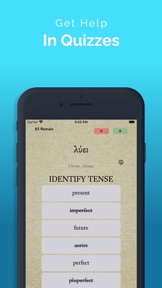
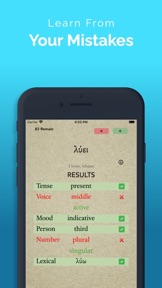
- •Focus on morphology and parsing through high-volume quizzing and flashcards
- •Integration of multimedia elements including audio pronunciation and mnemonics
Portfolio momentum
Maintained a steady cadence with 3 updates across the portfolio in the last 6 months, including the launch of ParseHebrew in July 2024.
Portfolio
What does Danny Zacharias ship?
Apps
12 apps analysed

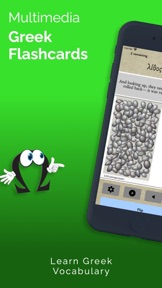
Multimedia mnemonics provide specialized learning value [Feature Set]
- The core vocabulary learning tool provides effective study support for seminary students
- Navigation limitations prevent users from easily reviewing previous cards or reversing card flips

Analysis in progress

Analysis in progress

User Sentiment
How do users feel about their apps?
0
Positive apps
1
Neutral / mixed
0
Negative apps
55/100
Avg sentiment score
Rivals
Who does Danny Zacharias compete with?
The rivals identified
Nemeses(2)


AnkiDroid competes by offering a free, cross-platform spaced repetition engine that allows students to import custom Greek vocabulary decks, directly challenging the paid, curriculum-locked model of FlashGreek.


Both apps compete for the same Hebrew learner's study time, though they target distinct objectives: Biblical morphological mastery versus conversational fluency.
Contenders(15)


Both apps target the same seminary student demographic by mapping vocabulary lists directly to standard Koine Greek textbooks. They compete for the same user base through specialized academic curriculum alignment.


Alef Omega competes by offering free vocabulary and parsing practice for Biblical Hebrew, directly targeting the same student demographic as ParseHebrew.


Both apps target Biblical Hebrew students, but ParseHebrew focuses on morphological parsing while Introduction To Hebrew provides vocabulary flashcards linked to a specific textbook.


Both apps compete for the same academic audience of Ancient Greek students, overlapping in price point and the core requirement for repetitive vocabulary and grammar drilling.


Both apps target Hebrew language students, creating competition for study time despite the difference between Biblical morphology and general translation.


Both apps target Biblical Hebrew learners, with ParseHebrew focusing on morphology and Hebrew-Flash on vocabulary and alphabet acquisition.


Both apps target students of the Hebrew language, creating a shared audience for foundational learning despite their focus on different skill sets.


Both apps provide flashcard-based vocabulary acquisition tools, forcing a choice between the curriculum-specific content of FlashGreek: Mounce edition and the broad, multi-language support of the rival.


Both apps compete for the same student demographic seeking structured flashcard-based study tools, despite the divergence in subject matter between New Testament Greek and English grammar.


Both apps compete for the same user time in the language learning category, targeting students who prefer structured, flashcard-based vocabulary acquisition. They overlap in their core utility of using digital cards to facilitate memorization.


Both apps target students of Biblical Hebrew, though they address different learning objectives: morphology parsing versus vocabulary acquisition.


Both apps target students of Biblical Hebrew by providing parsing practice and grammatical reinforcement for original language study.


Both apps target the same demographic of Biblical language students, competing for study time and budget within the religious education category.


Both apps compete for the time and attention of Greek language learners, though they target distinct segments ranging from academic seminary students to absolute beginners.


Both apps target Greek language learners, with Lambda Lingua offering a flexible, AI-driven alternative to the rigid, curriculum-specific structure of FlashGreek: Mounce edition.
Same space(19)


Mirrors the source app's textbook-keyed strategy but targets a different academic demographic within the German education system.


Provides a flexible, offline-capable study environment for students who want to move beyond the source app's fixed curriculum content.


This app functions as a broader reading utility for the same intermediate student audience.


Uses textbook-specific partnerships to solve the same data-entry friction that users of the source app face when building decks.


Offers an AI-driven vocabulary building experience that contrasts with the source app's manual, textbook-bound memorization approach.


Offers an AI-automated alternative to the source app's manual flashcard entry, reducing the time required to build study decks.


Complements the source app by providing a focus-timer layer that helps students manage their study sessions alongside their Greek vocabulary drills.


Targets power users who need more complex, media-rich cards than the source app's simple text-based vocabulary format allows.


This app targets the same academic language-learning demographic but focuses on Latin rather than Hebrew.


Provides a specialized language-learning utility for non-Latin scripts that shares the source app's focus on academic precision.


This app serves as a broad research companion for the same user base by providing an AI chatbot for textual inquiry.


This app targets general language acquisition through AI-driven conversational practice, whereas ParseGreek focuses on static morphological quizzing for ancient texts.


Appeals to the same power-user demographic as the source app but offers more robust import and offline capabilities for large datasets.


Serves as a broad-market alternative for students who find the source app's rigid curriculum-specific design too limiting for general study needs.


Provides a general-purpose study utility for students who want to apply adaptive learning techniques to subjects beyond the source app's Greek curriculum.


This app acts as a specialized linguistic tool for the same professional and academic user segment.


Acts as a necessary utility for scholars who need to type the Greek characters that the source app teaches them to read.


Automates the study workflow that the source app requires students to perform manually, appealing to those seeking efficiency over curriculum fidelity.


Targets the same language-learning audience as the source app but prioritizes quick, media-based engagement over deep grammatical study.
New entrants(1)


This app competes for the same seminary student audience by offering a focused, privacy-oriented study environment.
The Analyst's Read
The bottom line on Danny Zacharias
Bottom line
Danny Zacharias is a well-positioned niche publisher with a clear focus on the biblical studies market. Their disciplined approach to textbook integration and high-fidelity academic content has resulted in an exceptionally high weighted rating of 4.80★.
Frequently asked questions
How many apps does Danny Zacharias publish?
What kind of apps does Danny Zacharias make?
What is Danny Zacharias's top app?
What fed this analysis
- Apps analyzed:
- 7
- With full intel:
- 1
- With overview:
- 7
- Website scraped:
- yes
- Social presence:
- yes