


Mobinautica
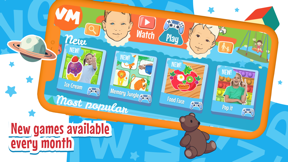
 Vlad & Niki: Kids Games Videos






Publisher DNA
What defines Mobinautica?
AI intelligence is not yet available for Mobinautica. The portfolio data below is up to date.
Portfolio
What does Mobinautica ship?
Apps
3 apps analysed

Analysis in progress

Analysis in progress
Curated, ad-free environment addresses parental safety concerns
- The core interactive video experience provides a fun and engaging mood-lifting activity for younger children
- Aggressive monetization and pay-to-play gates for core content frustrate users who expected a free experience
Distributed across 20 markets, strongest in Europe.
Based on 1 of 3 apps with localized market data, more coverage rolling in as scans complete · last scanned .
Americas (4)
- Brazil1 / 1
- Canada1 / 1
- Mexico1 / 1
- United States1 / 1
Europe (9)
- France1 / 1
- Germany1 / 1
- Italy1 / 1
- Netherlands1 / 1
- Portugal1 / 1
›+4 more europe markets
- Spain1 / 1
- Sweden1 / 1
- Turkey1 / 1
- United Kingdom1 / 1
Asia-Pacific (7)
- Australia1 / 1
- India1 / 1
- Indonesia1 / 1
- Japan1 / 1
- Singapore1 / 1
›+2 more asia-pacific markets
- South Korea1 / 1
- Vietnam1 / 1
Core markets (1/1 apps)
User Sentiment
How do users feel about their apps?
0
Positive apps
1
Neutral / mixed
0
Negative apps
55/100
Avg sentiment score
Rivals
Who does Mobinautica compete with?
The rivals identified
Nemeses(1)

Both apps target the 2 to 6 age demographic with video-centric content, forcing a choice between the subscription-gated interactive playground of Vlad & Niki and the free, broad-library curation of YouTube Kids.
Contenders(7)


Both apps compete for the same demographic of children aged 2 to 6 by providing curated video streaming environments. They directly overlap in their goal to replace general-purpose video platforms with a controlled, child-safe interface.


Both apps target the same demographic of toddlers and preschoolers, competing for parental screen-time management through distinct approaches to content delivery and safety.


Both apps compete for the same demographic of children aged 2 to 6 by offering video content within the children's streaming category. They overlap in their core value of providing safe, age-appropriate entertainment for families.


Users report: Both apps target the same demographic of children aged 2 to 8 with subscription-gated video content, competing directly for parental wallet share in the kids' entertainment category.


Both apps compete for the same 2-6 age demographic by providing video streaming content. KiKA functions as a free, public-service alternative to the subscription-gated model of Vlad & Niki.


This app competes for the same audience by offering a non-monetized, curriculum-aligned library that builds strong brand affinity.


Users report: Both apps target parents managing children's video consumption, with the rival offering a free, restrictive alternative to the subscription-gated, interactive content in Vlad & Niki.
Same space(23)


This app targets the same age range by combining educational games with narrated fairy tales.


This app competes for the same preschool segment by offering a massive content library, though it faces similar monetization friction.


This racing arcade uses the same Vlad and Niki brand to offer a multi-game experience including music and puzzles.


known for Baby Games for 2–5 year olds
This app competes for the same toddler demographic by prioritizing an ad-free environment to build parental trust.


This app serves the same age range by focusing on creative development through step-by-step drawing lessons.


This app provides a similar breadth of educational content for the same preschool audience.


This app provides a suite of 22 cognitive mini-games featuring the same YouTube personalities.


Funny Food Academy captures the same 2-6 age group through a comprehensive curriculum of 100+ interactive activities.


This simulation app uses the same IP to provide role-play activities centered on supermarket management.


This app competes for the same preschool market by using licensed IP and a research-backed curriculum to drive high-conversion subscriptions.


This app competes for the same preschool audience by offering a certified safe, curriculum-based suite of activities.


This app targets the same preschool to first-grade demographic by mixing logic puzzles with academic learning.


This app targets the same preschool and early elementary audience with a focus on math-based learning games.


This superhero-themed adventure competes for the same audience by focusing on action-oriented combat and boss battles.


PlayKids competes for the same audience by offering a massive streaming library of 18,000+ videos.


This app targets the same demographic by emphasizing parent-child interaction through shared digital activities.


This app utilizes the same character IP but focuses on puzzle-solving mechanics to engage children.


This app targets the same developmental stage by using gamified progression to teach math and logic.


This app functions as a supplemental educational tool for the same age range, bridging home practice with school curriculum.


This app functions as a broader media aggregator for children, competing for the same screen time by offering a wide variety of licensed TV series.


This app competes for the same preschool screen time by offering a massive library of teacher-created content.


This app leverages the same YouTube IP to capture the attention of the same child audience through a different gameplay genre.

known for 123 Learning Games for Kids 2
This app targets the same 2-4 age group with a collection of 12+ toddler-focused educational games.
New entrants(2)


This app provides a utility layer for the same parent audience, focusing on device security and content control.


Hrito targets the same 2+ preschool audience with interactive worlds and mini-games focused on early development.