ordinaryfactory
For mobile photography enthusiasts seeking specific regional or film-inspired aesthetic filters for their media.
 Analog Paris


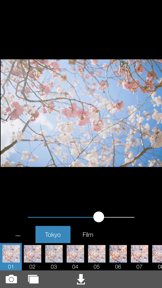


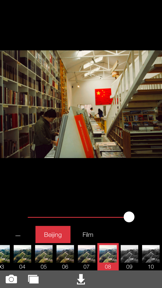

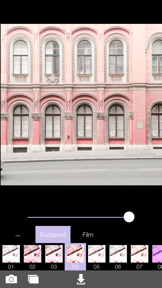
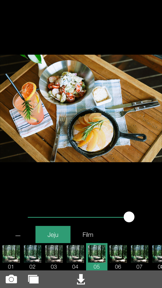
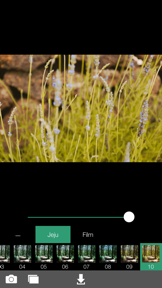
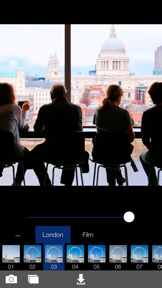
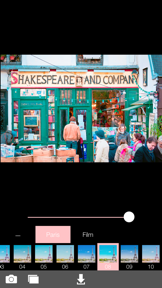


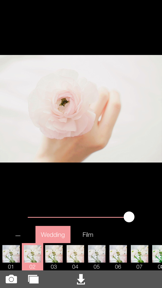

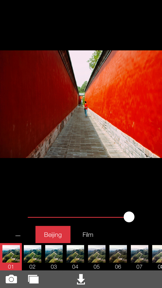


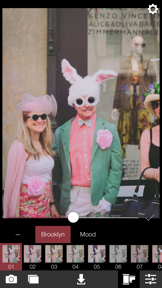
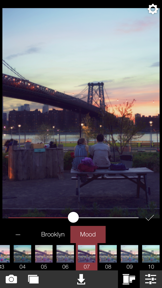
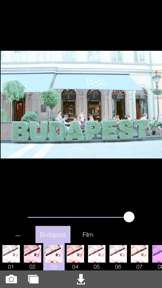

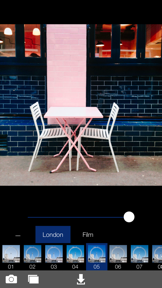
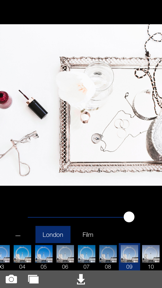
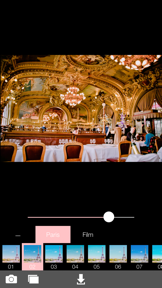
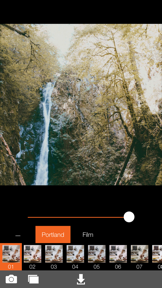

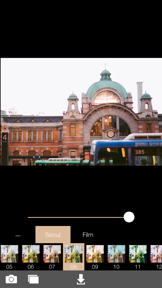

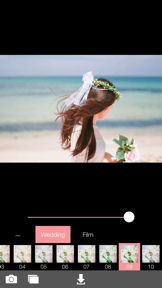


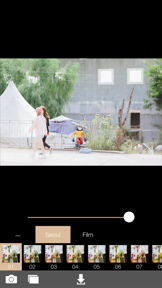


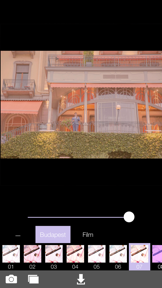
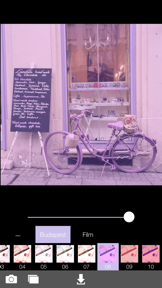
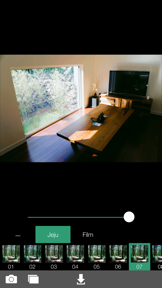
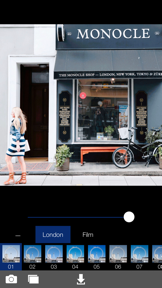
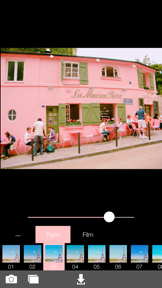
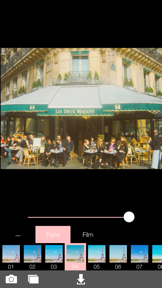
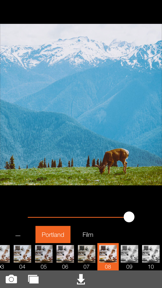

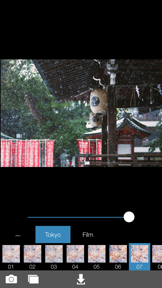
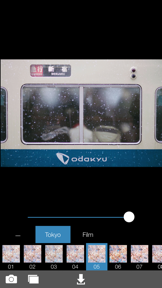

Snapshot
Who is ordinaryfactory?
Providing regional aesthetic filters for mobile photography enthusiasts. Delivering city-themed visual styles for photo and video editing.
Target audience


Portfolio
Last updated

Analog Paris
v1.0.992
7.1y ago
Publisher DNA
What defines ordinaryfactory?
Publisher DNA
Primary focus
Photo & Video editing apps
Scale
indie
Target audience
Mobile photography enthusiasts seeking specific regional or film-inspired aesthetic filters for their media.
Signature Patterns
- •Consistent use of regional city-themed branding for filter packs
- •Monetization exclusively via paid upfront pricing model
- •Core functionality limited to applying aesthetic filters to photos and videos
- •Minimalist feature sets focused on specific visual styles
Portfolio momentum
With 10 out of 11 apps abandoned and only 1 release in the last 6 months, the publisher is in a state of minimal maintenance.
Portfolio
What does ordinaryfactory ship?
Apps
11 apps analysed


Distributed across 2 markets, strongest in Americas.
Based on 2 of 11 apps with localized market data, more coverage rolling in as scans complete · last scanned .
Americas (1)
- United States2 / 2
Asia-Pacific (1)
- South Korea1 / 2
Core markets (2/2 apps)
Rivals
Who does ordinaryfactory compete with?
The rivals identified
Nemeses(1)


known for 1967: Retro Filters & Effects
Both applications target mobile photographers seeking vintage-style aesthetic filters, creating direct competition for users prioritizing specific film-stock looks.
Contenders(4)


Serves a subset of the photography audience by focusing on monochrome analog aesthetics.


Both applications target mobile photography enthusiasts seeking retro film aesthetics, creating direct competition for the same user base despite different monetization models.


Both applications target mobile photographers seeking specific aesthetic filters, creating direct competition for users prioritizing visual style over general-purpose editing tools.


Both applications compete for the same user base seeking analog photography simulation and retro-style visual filters on mobile devices.
Same space(27)


Serves the same vintage photography audience but focuses on hardware-level camera integration rather than city-themed post-editing.


Offers a similar film-inspired editing workflow for mobile photographers.


Provides a professional-grade film aesthetic toolkit for users seeking intentional-looking camera rolls.


Targets the same retro-film aesthetic market with tools for light leaks and dust.


Replicates the same 90s film aesthetic through light leaks and grain effects.


Offers a large library of aesthetic presets to transform photos and videos.


Focuses on realistic vintage digital and film camera emulation for mobile creators.


Provides a similar one-tap filter experience for casual users seeking quick aesthetic upgrades.


Offers similar aesthetic filters and vintage effects for social media content creation.


Targets the same aesthetic-focused user base but provides more complex motion-graphics and depth-mapping capabilities.


Simulates an analog film camera experience with specific hardware-like interactions.


Provides era-specific vintage film emulation for mobile photographers.


Combines live camera capture with post-processing tools similar to the analog-focused market.


Targets the same analog-focused photography market with high-fidelity film stock emulation.


WayShot targets the same aesthetic-focused audience but automates the editing process via distinct AI personas.


Targets the same aesthetic-focused creator demographic with a broader suite of tools including feed planning.


Vintage Film Camera limits video recording to mimic analog film-reel constraints, providing a unique creative challenge compared to the source app.


Targets the same retro-aesthetic market with a focus on 80s video recorder simulation.


Vintage Camera targets the same retro-vibe audience by offering a broad range of era-specific camera and effect presets.


PLOT CAM occupies the same niche as Analog Portland by focusing on nostalgic, Polaroid-style filters, though it adds manual handwriting tools for digital scrapbooking.


Polaroid serves as a hardware-linked companion that captures the analog photography market through physical lab integration, contrasting with the software-only focus of Analog Portland.


Prisma serves the same photography-enthusiast audience but uses AI to transform images into artistic styles.


Retrica leverages a massive legacy user base to provide real-time vintage filters that compete with the source app's static editing.


Kapi Cam targets the same retro-photography audience but focuses on millennium-era DV and CCD aesthetics.


West provides layered effects and presets for everyday moments, competing for the same casual photography audience.


Shares the vintage aesthetic focus but adds portrait-specific beautification tools for social media users.


Filter operates as a high-volume, freemium alternative to Analog Portland, capturing casual users through a massive library of presets and AI-driven effects.
The Analyst's Read
The bottom line on ordinaryfactory
Bottom line
The publisher's portfolio is largely inactive and lacks the feature depth required to compete in the modern photo-editing market. Their reliance on a dated, fragmented paid-app strategy suggests a lack of long-term product development.
Frequently asked questions
How many apps does ordinaryfactory publish?
What kind of apps does ordinaryfactory make?
What is ordinaryfactory's top app?
In how many countries are ordinaryfactory's apps available?
What fed this analysis
- Apps analyzed:
- 11
- With full intel:
- 0
- With overview:
- 11
- Website scraped:
- no
- Social presence:
- yes