Wakeout
For office workers and parents seeking to integrate physical activity into sedentary routines or children's daily schedules.
 Wakeout! Break the Sit Habit


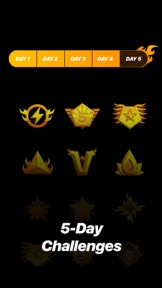
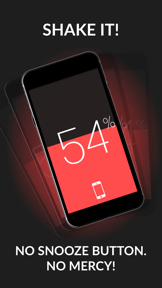




Snapshot
Who is Wakeout?
Combating sedentary lifestyles by integrating short, accessible movement breaks into daily routines for individuals and families.
Target audience


Portfolio
Free 6Last updated

Wakeout! Break the Sit Habit
v10.14
5mo ago
Publisher DNA
What defines Wakeout?
Publisher DNA
Primary focus
Health & Fitness and productivity-focused movement apps
Scale
indie
Target audience
Office workers and parents seeking to integrate physical activity into sedentary routines or children's daily schedules.
Signature Patterns
- •Focus on short-duration, high-accessibility movement routines
- •Gamification elements like 'Wakeout Watts' and streak systems
- •Freemium monetization model across core fitness titles
- •Design-led approach to solving specific behavioral habits
Portfolio momentum
With only one release in the last six months and six out of seven apps categorized as abandoned, development activity is currently focused on maintaining the flagship product.
Portfolio
What does Wakeout ship?
Apps
7 apps analysed

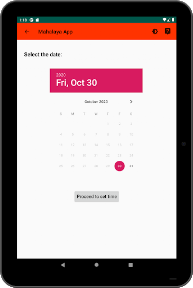
For Android developers only. Demo app for the AudioFocusController library.


Distributed across 9 markets, strongest in Europe.
Based on 1 of 7 apps with localized market data, more coverage rolling in as scans complete · last scanned .
Americas (3)
- Brazil1 / 1
- Mexico1 / 1
- United States1 / 1
Europe (4)
- France1 / 1
- Germany1 / 1
- Portugal1 / 1
- Spain1 / 1
Asia-Pacific (2)
- Japan1 / 1
- South Korea1 / 1
Core markets (1/1 apps)
Rivals
Who does Wakeout compete with?
The rivals identified
Nemeses(2)

Both apps target users seeking home-based fitness routines without equipment, competing for the same time-constrained demographic looking to integrate exercise into daily schedules.


Both apps target users seeking to solve morning wake-up friction through challenge-based dismissal mechanics, competing for the same productivity-focused user segment.
Contenders(16)


Both apps target sedentary office workers with short, habit-forming movement routines designed to integrate into a busy workday.


Both apps target users seeking fitness consistency, but they diverge on the mechanism: Wakeout! focuses on micro-breaks for sedentary workers, while BurnFit targets structured gym and meal logging.


Both apps target heavy sleepers with physical interaction requirements to dismiss alarms, creating direct competition for the same productivity-focused user base.


Both apps target chronic snoozers by requiring physical or cognitive tasks to silence alarms, directly competing for the same productivity-focused user base.


Both apps compete for the same user time by using gamification to solve fitness consistency, though they target different environments: sedentary office habits versus gym-based weightlifting.


Both apps compete for users in the alarm clock utility category, targeting individuals who prioritize efficient wake-up routines through distinct interaction models.


Both apps compete for the same morning routine utility segment, targeting users who rely on mobile devices to manage wake-up times and sleep habits.


Both apps target heavy sleepers needing reliable wake-up solutions, but the rival captures a larger audience through a free-to-use model and broader utility features.


Both apps target heavy sleepers seeking alternatives to standard alarm clocks, though they diverge on the physical versus voice-based interaction mechanism.


This app uses a similar forced-physical-interaction model but shifts the requirement from shaking to barcode scanning.


Both apps target users struggling with oversleeping by requiring active engagement to disable alarms. SuperAlarm competes directly by offering a broader suite of mission-based wake-up tasks compared to the single shake mechanism.


Both apps target users who struggle with traditional alarm clocks by requiring active engagement to silence the alarm, creating a direct overlap in the productivity utility space.


Calo addresses the same health-conscious user base by focusing on nutritional management to complement Wakeout's physical activity tracking.


Both apps target heavy sleepers requiring forced engagement to wake up, creating direct competition for the same productivity-focused user base.


Both apps target fitness enthusiasts, but Wakeout! focuses on sedentary habit-breaking through short, accessible movement, while Technogym centers on equipment-linked training programs.


Both apps compete for daily fitness time by replacing traditional gym workouts with accessible, gamified movement routines for health-conscious users.
Same space(29)


Gym Workout Tracker targets the same fitness-conscious audience but focuses on structured gym routines rather than Wakeout's sedentary-habit breaking.


SleepWatch targets the same health-conscious user base by focusing on recovery metrics, complementing Wakeout's focus on daily activity.


It offers a similar mission-based dismissal system but emphasizes reliability through modern framework integration.


This app targets the same productivity-focused audience by using system-level integration to ensure alarms trigger through focus modes.


Foodvisor targets the same health-conscious demographic by providing nutritional tracking to support the physical activity goals Wakeout promotes.


It targets the same accountability-seeking user base but replaces physical movement with rigid, locked-deadline habit enforcement.


Google Health aggregates the same biometric data as Wakeout's Apple Watch integration but provides a broader, centralized dashboard for medical and sleep metrics.


AHEALTH competes for the same casual user attention by gamifying walking with financial rewards, similar to other step-counting peers.


Wellhub serves the same user base by providing corporate-subsidized access to the fitness studios that Wakeout's home-based exercises aim to supplement.


This app addresses the same morning-routine goal but focuses on intentionality and personal growth rather than forced wake-up tasks.


Hevy targets the same fitness-oriented user base but focuses on long-term weightlifting progress logging rather than Wakeout's sedentary-habit breaking.


RENPHO Health targets the same health-monitoring audience but relies on hardware-tethered body composition tracking instead of Wakeout's exercise-based habit building.


This app focuses on the transition from sleep to wakefulness using personalized content rather than just forced dismissal.


This app addresses the same morning-routine space but focuses on gentle preparation rather than high-friction dismissal.


Lyfta targets the same fitness-conscious demographic but focuses on strength training logs rather than Wakeout's short, accessible movement breaks.


It serves a specialized subset of the morning-routine audience by prioritizing silent, vibration-based wake-up methods.


Mindbody serves the same fitness-interested audience by providing a booking platform for external classes, whereas Wakeout provides internal exercise content.


MyFitnessPal serves the same fitness-conscious audience but focuses on comprehensive nutrition and exercise logging rather than Wakeout's short movement breaks.


OMRON connect targets the same health-monitoring demographic but focuses on chronic condition management via hardware sync rather than Wakeout's movement habits.


This app provides a similar shake-based wake-up experience while adding optional mission-chaining for increased friction.


Oura serves the same wellness-focused user base but uses specialized ring hardware for passive biometric sensing instead of Wakeout's active movement prompts.


It competes for the same user base by offering a wide variety of physical and cognitive wake-up missions.


StepsApp provides a similar passive tracking experience to Wakeout but focuses on minimalist step visualization rather than active exercise routines.


Runna targets the same fitness-conscious audience but focuses on science-backed running plans rather than Wakeout's general movement breaks.


Strong targets the same fitness-oriented users but focuses on precise strength training logs instead of Wakeout's accessible movement breaks.


Sweatcoin shares Wakeout's goal of increasing daily activity but uses a proprietary movement-validation algorithm to incentivize walking through a marketplace.


It targets the same audience by adding a visual verification layer to the morning wake-up process.


WeWard competes for the same casual user attention by gamifying movement, though it uses financial rewards instead of Wakeout's habit-building exercise library.


It expands the physical-interaction concept by offering diverse challenges like push-ups and barcode scanning.
New entrants(4)


It combines the same mission-based alarm functionality with habit tracking to appeal to goal-oriented users.


Workout at Home App targets the same sedentary-lifestyle audience but focuses on structured 28-day challenges rather than Wakeout's short movement prompts.


This app targets the same audience by gating alarm dismissal behind physical and cognitive tasks.


Yolo Fitness targets the same audience looking for accessible home workouts but markets specifically to users seeking low-effort routines.
The Analyst's Read
The bottom line on Wakeout
Bottom line
Wakeout maintains a strong product-market fit in the niche of micro-workouts, though the high ratio of abandoned apps suggests a pivot toward a single-product focus. Their ability to sustain high user ratings in the health category indicates a successful, albeit narrow, strategic execution.
Frequently asked questions
How many apps does Wakeout publish?
What kind of apps does Wakeout make?
What is Wakeout's top app?
In how many countries are Wakeout's apps available?
What fed this analysis
- Apps analyzed:
- 7
- With full intel:
- 0
- With overview:
- 7
- Website scraped:
- yes
- Social presence:
- yes