


StepsApp
For health-conscious mobile users seeking low-friction activity tracking and habit formation without requiring dedicated wearable hardware.
 StepsApp Pedometer





Snapshot
Who is StepsApp?
Providing hardware-free health and activity tracking tools that leverage native smartphone sensors to help users build sustainable movement and wellness habits.
Target audience


Portfolio
Free 6Last updated

StepsApp Pedometer
v8.8.4
5mo ago
Publisher DNA
What defines StepsApp?
Publisher DNA
Primary focus
Hardware-free health and activity tracking utilities
Scale
indie
Target audience
Health-conscious mobile users seeking low-friction activity tracking and habit formation without requiring dedicated wearable hardware.
Signature Patterns
- •Heavy reliance on native device hardware (accelerometers, cameras) to provide health metrics without external sensors.
- •Deep integration with system-level health frameworks like Apple Health and Google Fit.
- •Freemium monetization model typically featuring a basic free tier with subscription-based advanced analytics.
- •Focus on high-utility, single-purpose tools within the Health & Fitness and Productivity categories.
Portfolio momentum
The publisher maintains an intense development cycle with 13 updates across 6 active apps in the last 6 months, including a major release within the last 10 days.
Portfolio
What does StepsApp ship?
Apps
6 apps analysed


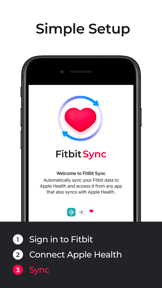
Sync health data between Samsung Health, Strava, Fitbit, Garmin and others


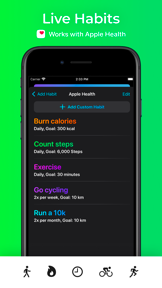
Organize Your life, Track Daily Goals, Build Powerful Habits! Download now!


Family sharing subscription tier increases lifetime value per household.
- Detailed health statistics provide users with actionable insights into their daily heart rate measurements
- Users report the heart rate measurement feature functions even without physical contact with the camera

User Sentiment
How do users feel about their apps?
2
Positive apps
0
Neutral / mixed
0
Negative apps
75/100
Avg sentiment score
Rivals
Who does StepsApp compete with?
The rivals identified
Nemeses(3)


Both apps target health-conscious individuals seeking calorie and nutrition management. MyFitnessPal competes directly with CalBot through its AI-powered logging tools and extensive food database.


Both apps target the walking and step-counting audience, but Sweatcoin introduces a gamified reward layer that directly competes with the minimalist habit-tracking approach of StepsApp Pedometer.


HeartIn directly competes for the same health-conscious user base by offering camera-based pulse measurement and heart rate tracking without requiring external hardware.
Contenders(22)


Google Health serves as a broad data aggregator for wearable users, overlapping with CalBot's Apple Health integration.


Yazio competes for the same calorie-tracking audience by offering a free, AI-powered food logging tool that directly overlaps with CalBot's multi-modal input and goal-setting features.


Both apps target weight management and nutrition tracking, competing for the same user base through calorie logging and goal monitoring.


Both apps target weight management through AI-assisted food logging and calorie tracking, competing directly for users seeking low-friction nutritional monitoring.


Foodvisor competes directly with CalBot by offering AI-powered food recognition and nutritional tracking to users seeking automated weight management tools.


Both apps target casual walkers, but Winwalk introduces a financial incentive mechanism that directly challenges the habit-based engagement model of StepsApp Pedometer.


Both apps target users seeking automated daily activity tracking, with the rival competing directly through a 100% free, offline-first model that avoids the wearable synchronization friction present in StepsApp.


Both apps target the same daily activity tracking audience with free, ad-supported models that rely on automatic step counting as their primary utility.


Both applications target the same health-tracking audience by providing automatic step counting and minimalist interfaces for daily activity monitoring.


Kubios targets the performance-tracking segment of the health market, focusing on recovery and readiness metrics.


Both apps target the same audience of everyday users seeking simple activity tracking, competing directly on the core utility of passive step counting and sensor-based movement monitoring.


Both apps target the same calorie-tracking demographic and utilize multi-modal input methods like photo and voice logging to reduce manual entry friction.


Both apps target weight management through AI-assisted food logging and share a free pricing model, creating direct competition for users seeking low-friction nutritional tracking.


Both apps target weight management through food logging, but Noom captures users seeking clinical or psychological support while CalBot focuses on free, low-friction utility.


Both apps target weight management through multi-modal logging and nutrition tracking, competing directly for users seeking low-friction calorie entry.


Both apps target the same audience of everyday users seeking simple activity tracking, with direct overlap in core step-counting functionality.


While focused on audio, it competes for the same 'personal health monitoring' wallet share by providing granular biometric-style data for vocal health.


Both apps target the same health-conscious demographic seeking automated activity tracking, with both utilizing ad-supported freemium models that create direct friction for free-tier users.


Both apps target weight management through automated food logging, with Welmi competing directly against CalBot through its photo-based scanner and shared focus on nutritional tracking.


This app competes by gamifying health tracking and readiness, appealing to users who find standard heart rate monitors too clinical.


Both apps target the same segment of users seeking automated step counting and daily activity visualization. They compete directly for users prioritizing simple, habit-forming health tracking.


Calz and CalBot both target weight management users via AI-assisted food logging, creating direct competition for users seeking to minimize manual data entry.
Same space(33)


Hevy serves the same fitness-conscious demographic as CalBot but focuses on strength training logs rather than nutrition.


Gymwork provides workout logging, serving as a companion to CalBot for users managing both diet and exercise.


PulseSense provides specialized tracking for chronic conditions, serving users who need more granular health monitoring than CalBot.


adidas Running serves as a comprehensive alternative that captures the same active user base through structured training plans and loyalty incentives.


Blood Pressure App provides manual health logging, serving users who need to track vitals alongside CalBot's nutrition data.


WeightFit provides a minimalist weight-tracking interface, serving users who prefer simple logging over CalBot's multi-modal input.


Daily Calorie targets the same health-tracking audience by bundling nutrition and activity metrics into a single interface.


This app is a direct functional clone that adds AI-driven health insights to the standard heart rate monitoring experience.


This app occupies the same mobile real estate on health-conscious users' devices by managing nutritional intake through restaurant ordering.


Walk Master offers a direct, minimalist alternative to StepsApp by focusing exclusively on sensor-based step tracking without requiring wearables.


WalkEarn competes for the same step-tracking audience by offering financial incentives for daily movement.

known for
NHS Active 10 focuses on the same walking-centric audience but emphasizes health-specific outcomes like brisk walking intensity.


FITAPP serves the same active user base by providing a more specialized GPS-based tracking experience for outdoor training.


Fitbod provides AI-driven workout planning, serving as a complementary tool for users managing both diet and exercise.


Lose It! competes for the same health-conscious user by offering a more granular, data-heavy approach to weight management.


Health Tracker monitors vitals like blood pressure and heart rate, providing health context that complements CalBot's nutrition data.


SmartDiet is a simple weight tracker that complements CalBot by focusing on body measurements and weight trends.


MenuFit provides restaurant meal recommendations, serving users who need to track nutrition while eating out.


AI Health Tracker serves the same health-conscious audience by providing a broader dashboard for vital sign monitoring.


Macadam targets the same step-tracking demographic but uses a virtual currency incentive model to drive daily engagement.


MacrosFirst provides high-precision macro tracking, serving users who prioritize data accuracy over CalBot's multi-modal convenience.


MeAgain specializes in GLP-1 medication tracking, serving a specific subset of CalBot's weight-loss-focused user base.


Calorie Counter + competes for the same health-focused user by prioritizing data accuracy and verified nutritional information.


QUITTR competes for the same wellness-focused user demographic by offering behavioral health support and habit tracking.


Carbon provides automated macro coaching, serving as a more advanced, science-based alternative to CalBot's calorie tracking.


PenguPace targets the same step-tracking audience but uses a reward-based model to differentiate its value proposition.


BodyWave is a direct alternative for users seeking automated health tracking and stress monitoring.


Shotsy provides clinical-grade medication tracking, serving users who require more precision than CalBot's general nutrition focus.


Simple offers AI health coaching for weight loss, providing a broader lifestyle-focused alternative to CalBot's calorie-specific tracking.


Vital BP Tracker monitors cardiovascular health, serving users who need to track vitals alongside CalBot's nutrition data.


MacroFactor provides automated coaching, serving as a more advanced alternative to CalBot's manual calorie tracking.


Cal AI is a direct competitor to CalBot, utilizing similar photo-based nutrition analysis for calorie tracking.


Muscle Booster provides structured workout routines, targeting the same fitness-focused audience as CalBot but via exercise rather than diet.
New entrants(5)


Kova tracks both nutrition and glucose, serving users who need to manage diabetes alongside CalBot's calorie tracking.


This app targets the specialized health-support market, providing emotional tools for users managing chronic health conditions.


Heyday competes for the same habit-tracking audience by combining physical activity with cognitive exercises.


This newcomer focuses on mental health and emotional awareness, competing for the attention of users interested in holistic wellness.


Vitals Tracker targets the same health-tracking audience by consolidating various wellness metrics into one simple log.
The Analyst's Read
The bottom line on StepsApp
Bottom line
StepsApp GmbH is a highly efficient developer that has successfully cornered the 'no-wearable-needed' health niche. Their disciplined focus on utility-first apps with deep OS integration provides a strong defensive moat against more generalized fitness platforms.
Frequently asked questions
How many apps does StepsApp publish?
What kind of apps does StepsApp make?
What is StepsApp's top app?
What fed this analysis
- Apps analyzed:
- 6
- With full intel:
- 1
- With overview:
- 6
- Website scraped:
- yes
- Social presence:
- yes
