


A.S.M.A. B.V.
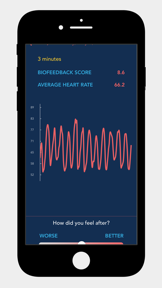
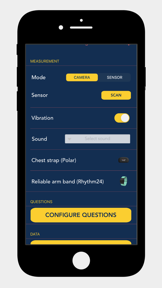
For performance-oriented athletes and biohackers seeking to quantify recovery and stress through granular physiological metrics.
 HRV4Training

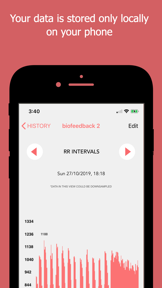
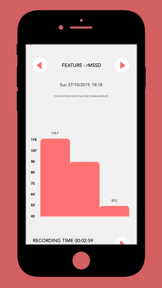

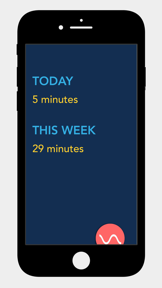

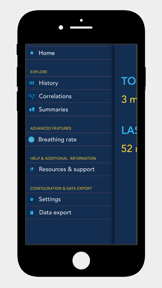


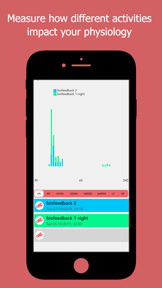


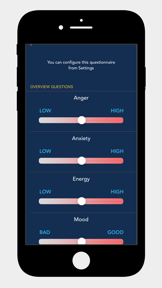


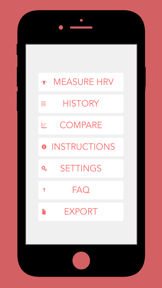
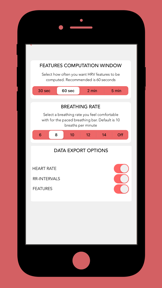





Snapshot
Who is A.S.M.A. B.V.?
Providing athletes and health-conscious individuals with hardware-agnostic physiological monitoring tools using smartphone camera sensors.
Target audience


Portfolio
Last updated

HRV4Training
v8.6.0
6mo ago
Publisher DNA
What defines A.S.M.A. B.V.?
Publisher DNA
Primary focus
Physiological monitoring and HRV analysis tools
Scale
indie
Target audience
Performance-oriented athletes and biohackers seeking to quantify recovery and stress through granular physiological metrics.
Signature Patterns
- •Utilization of smartphone camera sensors (PPG) for hardware-free physiological data collection.
- •Consistent paid-upfront pricing model across the entire portfolio.
- •Technical focus on time and frequency domain HRV features rather than gamified wellness.
- •Interoperability with third-party sensors (Bluetooth LE) and external platforms like Oura and Apple Watch.
Portfolio momentum
The publisher released 6 updates across 4 apps in the last 6 months, indicating active maintenance of their specialized utility suite.
Portfolio
What does A.S.M.A. B.V. ship?
Apps
4 apps analysed


Distributed across 5 markets, strongest in Americas.
Based on 4 of 4 apps with localized market data · last scanned .
Americas (2)
- United States4 / 4
- Mexico1 / 4
Europe (3)
- Italy2 / 4
- France1 / 4
- Spain1 / 4
Core markets (4/4 apps)
Rivals
Who does A.S.M.A. B.V. compete with?
The rivals identified
Nemeses(1)

known for
Both apps target users seeking physiological stress tracking by offering smartphone camera-based Heart Rate Variability measurements. Welltory's free-to-download model directly challenges HRV4Training's $9.99 upfront cost.
Contenders(10)


Both apps target users seeking physiological stress and recovery insights through HRV monitoring, though Welldo relies entirely on Apple Watch data while HRV4Training offers a standalone camera-based option.


Both apps target athletes optimizing recovery, competing directly by offering physiological readiness tracking through different primary inputs: Apple Watch data versus smartphone camera assessments.


Both apps target users seeking cardiovascular measurement without wearables by utilizing smartphone cameras for pulse and heart rate detection.


Both target athletes seeking performance optimization. FORM Swim focuses strictly on in-water metrics via proprietary hardware, while HRV4Training tracks general recovery via smartphone cameras.


Both apps target HRV and stress monitoring by integrating with Apple Watch to translate physiological data into actionable insights, with RelaxWatch offering a free alternative to HRV4Training's $9.99 paid model.


Both apps compete directly for users seeking camera-based HRV and stress tracking. iCardiac targets a broader wellness audience with a free entry point, contrasting with HRV4Training's $9.99 upfront cost.


Kubios HRV competes directly for the athletic recovery tracking market by offering scientifically validated HRV algorithms. The rivalry centers on hardware dependency: Kubios relies on deep Polar SDK integration, whereas HRV4Training emphasizes camera-based smartphone measurements.


Both apps target physiological tracking by measuring heart rate and R-R intervals, competing for athletes seeking detailed cardiac data.


Both apps target athletes tracking physiological readiness, overlapping directly in Heart Rate Variability measurement and HealthKit integration.


Both apps target athletes seeking advanced training load analysis through a paid, one-time purchase model. HealthFit competes directly for the Apple Watch power-user segment by offering automated fitness and fatigue tracking.
Same space(19)


HRV Tracker & Stress Monitor tracks HRV and stress, providing similar readiness insights to HRV4Training but with different hardware reliance.


Stress Monitor for Watch processes Apple Watch heart data for stress and recovery, mirroring HRV4Training's focus on physiological readiness.


InPulse offers camera-based pulse tracking, serving as a lower-fidelity alternative to HRV4Training's physiological analysis.


Wellmy tracks cardiovascular metrics and stress, providing a similar health-monitoring utility to HRV4Training.


iCardiac provides pulse tracking and AI insights, overlapping with HRV4Training's focus on health data interpretation.


Pulsebit offers HRV and pulse measurement via camera, serving as a pocket companion for stress tracking similar to HRV4Training.


Elite HRV provides clinical-grade HRV analysis, serving as the primary scientific competitor to HRV4Training's recovery metrics.


Heartica centralizes vital sign tracking and stress management, offering a broader, less specialized health suite than HRV4Training.


Garmin Connect serves as the primary hardware-companion for athletes, providing deep telemetry that competes with HRV4Training's tracking capabilities.


PulseFlow tracks cardiovascular metrics, providing a general wellness alternative to HRV4Training's specific HRV focus.


Health Tracker provides basic vital sign logging similar to HRV4Training's tracking features but lacks the specialized HRV focus.


Heartify monitors HRV and heart rate, targeting users interested in cardiovascular health and stress management similar to HRV4Training.


StressWatch uses Apple Watch biometric data to monitor stress, overlapping with HRV4Training's focus on physiological readiness.


Heart Rate Monitor provides basic heart rate tracking via camera, targeting casual users who do not require HRV4Training's advanced recovery metrics.


Runna targets the same performance-oriented audience as HRV4Training but focuses on dynamic coaching rather than physiological readiness.


HRV Tracker for Watch analyzes Apple Watch HRV data, providing a specialized interface for the same metrics HRV4Training tracks.

known for Heart Beat: Heart Rate Monitor
Heart Beat provides daily pulse checks, targeting casual users who prioritize convenience over HRV4Training's specialized recovery analytics.


Welltory aggregates biometric data for HRV analysis, directly competing with HRV4Training's core physiological tracking value proposition.


Heart Rate: Blood Pressure App functions as a digital health log for cardiovascular metrics, providing a simpler alternative to HRV4Training's recovery analysis.
New entrants(2)


Heartly AI tracks heart health and wellness data, offering a general health logging alternative to HRV4Training.


InWave monitors HRV and resting heart rate for stress, competing for the same physiological tracking audience as HRV4Training.
The Analyst's Read
The bottom line on A.S.M.A. B.V.
Bottom line
A.S.M.A. B.V. is a specialized indie publisher that successfully defends a technical niche in the health category by prioritizing data depth and hardware flexibility over mass-market appeal.
Frequently asked questions
How many apps does A.S.M.A. B.V. publish?
What kind of apps does A.S.M.A. B.V. make?
What is A.S.M.A. B.V.'s top app?
In how many countries are A.S.M.A. B.V.'s apps available?
What fed this analysis
- Apps analyzed:
- 4
- With full intel:
- 0
- With overview:
- 4
- Website scraped:
- yes
- Social presence:
- no