

Happibits Game
 Merge Cooking®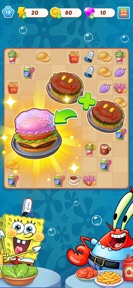


Publisher DNA
What defines Happibits Game?
AI intelligence is not yet available for Happibits Game. The portfolio data below is up to date.
Portfolio
What does Happibits Game ship?
Apps
2 apps analysed

Merge ingredients, learn from master chefs, and build your restaurant empire!


Themed restaurant renovation mechanics differentiate the core merge loop
- The core merge and cooking gameplay loop provides a relaxing experience for casual players
- Marketing materials show gameplay that does not match the actual merge-based mechanics of the app
Play popular puzzle games! Merge food, cook in restaurant games & play offline.


Generous ad-optional experience sustains organic engagement
- The core merge gameplay loop provides a relaxing and addictive experience for daily casual play
- Stamina and energy recharge rates create artificial bottlenecks that force players to wait or pay
Distributed across 11 markets, strongest in Europe.
Based on 2 of 2 apps with localized market data · last scanned .
Americas (3)
- Brazil2 / 2
- Mexico2 / 2
- United States2 / 2
Europe (6)
- France2 / 2
- Germany2 / 2
- Italy2 / 2
- Netherlands2 / 2
- Portugal2 / 2
›+1 more europe market
- Spain2 / 2
Asia-Pacific (2)
- Japan2 / 2
- South Korea2 / 2
Core markets (2/2 apps)
User Sentiment
How do users feel about their apps?
2
Positive apps
0
Neutral / mixed
0
Negative apps
65/100
Avg sentiment score
Rivals
Who does Happibits Game compete with?
The rivals identified
Nemeses(3)


Uses the same merge-puzzle core loop but shifts the theme to fairytale island exploration and character collection.


Both apps target casual gamers through cooking-themed simulation loops, competing for daily active time within the same time-management and puzzle-based genre.


Both apps target casual gamers in the cooking simulation space, competing for daily active time through energy-gated progression loops.
Contenders(23)


Shares the merge-puzzle core loop but focuses on mystery-driven town restoration rather than culinary simulation.


Directly competes in the culinary-themed merge space with a global map progression structure.


Shares the merge-puzzle genre and world-travel theme, appealing to the same casual audience.


A dominant category leader that uses a high-stakes mystery narrative to drive engagement in the merge-puzzle space.


Shares the merge-puzzle genre and world-travel theme, appealing to the same casual audience.


Directly overlaps with the merge-and-renovate loop, focusing on food ingredient combinations for customer orders.


Both titles compete for the same casual mobile audience by utilizing food-themed simulation mechanics to drive daily engagement.


Shares the culinary-themed merge-puzzle genre, using a soap-opera mystery narrative to drive engagement in a beachside town setting.


Targets the same casual puzzle audience but shifts the thematic focus to celebrity-drama and fashion progression.


Both apps target the restaurant management simulation audience, competing for the same casual player base through culinary-themed progression and restaurant building mechanics.


Both titles target casual gamers through food-themed simulation, competing for the same time-management and puzzle-oriented player base.


Both apps target casual gamers interested in culinary themes and time-management mechanics, competing directly for the same daily active user base.


Both apps target casual gamers with offline-first cooking-themed simulation loops, creating direct competition for users who prioritize accessibility.

known for Cooking Crush Cooking Games
Both titles target casual gamers through food-themed simulation, forcing them to compete for the same daily time-budget despite different core mechanics.


Both apps target the casual cooking simulation audience, competing for engagement through restaurant-themed progression loops and time-management mechanics.


Both titles compete for the casual merge puzzle audience by utilizing core ingredient-merging mechanics to drive daily engagement.


Both apps target casual gamers through merge-based puzzle mechanics and renovation-themed progression loops.


Both apps target casual gamers through food-themed progression loops and rely on offline-first mechanics to maintain session volume.


Both apps target the same casual culinary simulation demographic, competing for player time and spend within the time-management and merge-puzzle sub-genres.


Blends culinary simulation with restaurant customization, targeting the same casual audience as the renovation meta-layer.


Both apps target casual gamers through restaurant renovation and cooking simulation loops, competing for the same time-management and puzzle-solving audience.


Both apps target the casual cooking simulation audience, competing for player time within the restaurant-themed gaming category.


Shares the culinary-themed merge-puzzle genre, using a soap-opera mystery narrative to drive engagement in a beachside town setting.
Same space(18)


Coexists in the casual puzzle space by blending 3D object matching with time-management food service mechanics.


Targets the same casual puzzle audience but uses a sorting mechanic rather than merge-based progression.


Operates in the same merge-puzzle space by integrating home design and renovation tasks into the core merging loop.


It targets the same renovation-simulation demographic by swapping restaurant management for hotel empire building within a merge-based loop.


Targets the same culinary-themed audience but utilizes time-management diner dash mechanics instead of merge puzzles.


This app directly overlaps with the merge and restaurant renovation loop found in the source app.


Targets the same casual food-themed puzzle audience but utilizes a match-3 sorting mechanic rather than a merge-based loop.


Uses merge mechanics for bakery management, targeting casual players with a relaxing, cat-themed aesthetic.


Offers a premium, ad-free culinary simulation experience for Netflix members, contrasting with the ad-supported model.


Targets the same casual puzzle audience with an offline-first merge architecture, though it focuses on fashion rather than food themes.


Focuses on the same culinary management simulation but emphasizes time-management over merge mechanics.


This app targets the same casual demographic with a similar food-themed sorting puzzle loop.


Combines merge mechanics with town restoration and mystery-solving, overlapping with the renovation meta-layer.


Operates in the same restaurant management space, focusing on rapid time-management service and international cuisine learning.


Shares the culinary simulation theme and offline-first design, targeting casual players in transit.


Operates in the same restaurant management space, emphasizing ingredient cultivation alongside cooking and business operations.


Combines time-management cooking with home design, appealing to the same casual simulation demographic.


Focuses on culinary empire management, targeting the same casual simulation audience with an idle loop.
New entrants(3)


Coexists in the casual merge-puzzle space by focusing on town restoration and mystery-solving in a seaside setting.


Targets the same casual puzzle audience but uses a sorting mechanic rather than merge-based progression.


Shares the merge-puzzle genre and renovation theme, targeting casual players with a tropical resort setting.
