


Junmo Lee
For photography enthusiasts and social media creators seeking specific, high-quality film looks and grain effects.
 FilmN Lite: Japan



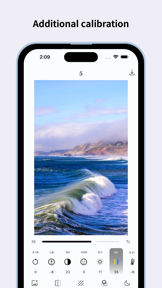


Snapshot
Who is Junmo Lee?
Providing mobile photographers with professional-grade film aesthetics through curated filter sets and proprietary color management.
Target audience


Portfolio
Free 1Last updated

FilmN Lite: Japan
v1.4.1
2.1y ago
Publisher DNA
What defines Junmo Lee?
Publisher DNA
Primary focus
Professional film-aesthetic photo filters
Scale
indie
Target audience
Photography enthusiasts and social media creators seeking specific, high-quality film looks and grain effects.
Origin
Developed from a system to convert Lightroom presets into mobile-ready filter applications for photographers.
Signature Patterns
- •Niche-specific standalone apps rather than a single unified editor
- •Monetization via an upfront paid purchase model
- •Heavy emphasis on 'film look' effects, specifically grain and color management
- •Collaborative approach featuring specific photographers or creators
Portfolio momentum
The portfolio shows no new releases in the last 6 months and all 10 apps are currently classified as abandoned in the metrics, suggesting a halt in active development.
Portfolio
What does Junmo Lee ship?
Apps
11 apps analysed

- Influencer-branded presets create a defensible aesthetic barrier


Tightly focused on 2 markets (South Korea, United States).
Based on 1 of 11 apps with localized market data, more coverage rolling in as scans complete · last scanned .
Americas (1)
- United States1 / 1
Asia-Pacific (1)
- South Korea1 / 1
Core markets (1/1 apps)
Rivals
Who does Junmo Lee compete with?
The rivals identified
Nemeses(2)

Both applications target photography enthusiasts seeking film aesthetics, creating direct competition for users choosing between a paid nature-focused tool and a freemium vintage-emulation platform.


Both applications target photography enthusiasts seeking film-look aesthetics, with 1967 competing for the same casual user base through its vintage filter library.
Contenders(26)


DAZE CAM competes for the same photography enthusiast audience by offering a broader range of vintage film presets and video editing capabilities at no cost, whereas FilmN Dami: Nature is a paid tool focused on specific nature aesthetics.


Both applications target social media creators and photography enthusiasts seeking film-look aesthetics, though they diverge on monetization models and manual versus automated editing workflows.


Replicates the same analog film aesthetic found in the source app.


Both applications target photography enthusiasts seeking analog film aesthetics, with I Love Film competing directly by offering a broader library of film simulations and educational content.


Both applications target photography enthusiasts seeking film-aesthetic filters, though VNTG offers a broader vintage camera emulation compared to the nature-specific focus of FilmN Dami.


Both applications target photography enthusiasts seeking film-look aesthetics, with PICFX providing a broader library of 150+ filters compared to the nature-specific focus of FilmN Dami: Nature.


Both applications target users seeking film-inspired aesthetics and grain effects for mobile photography. Labbet competes directly by offering a free, broader feature set that includes video editing capabilities.


Both applications target users seeking analog film aesthetics for mobile photography, creating direct competition for the same creative workflow.


Both applications target mobile photography enthusiasts seeking professional-grade film aesthetics through paid, photographer-curated filter sets.


Both applications target the photo editing market by providing tools to improve image aesthetics through filters and retouching. They compete for the same user base seeking to refine landscape and general photography.


Both applications target mobile photography users seeking aesthetic filters, though they differ in delivery between a standalone editor and a Lightroom plugin. They compete for the same user intent of applying professional-grade visual styles to mobile captures.


Both applications target mobile photography enthusiasts with paid, film-inspired filter suites, creating direct competition for users seeking professional aesthetics at a similar price point.


Both applications target photography enthusiasts seeking film-style aesthetics, creating direct competition for users prioritizing visual style and editing tools.


Both applications target users seeking vintage film aesthetics, but Vintify captures a broader audience through a free-to-use model and expanded feature set.


Both applications target mobile photography enthusiasts seeking film-inspired aesthetic filters at a low price point.


Both applications target mobile photography enthusiasts seeking vintage film aesthetics, competing for the same user base through paid, niche-focused editing tools.


Both applications target mobile photography enthusiasts seeking curated film aesthetics and manual color grading tools for travel imagery. They compete directly for users who prioritize specific, artist-driven color tones over general-purpose photo editing.


Both applications target users seeking analog film aesthetics in mobile photography, competing for the same niche audience through distinct filter-based editing tools.


Both applications target the paid photo editing market for travel photography, competing directly for users seeking one-time purchase tools for atmospheric aesthetics.


Both applications target the analog photography aesthetic, competing for users seeking vintage film-style image capture and processing.


Both applications target social media users seeking film-look aesthetics, competing directly for the same visual-editing market share.


Both applications target travel photography enthusiasts seeking professional-grade color aesthetics, competing directly for users who want to apply film-inspired looks to their mobile captures.


Both applications target mobile photography enthusiasts seeking film-inspired aesthetics at a similar price point, competing directly for users who prioritize vintage photo styles.


Both applications target the analog photography market by providing film-inspired aesthetic filters to users. They compete directly for the same audience seeking vintage-style image processing.


Both applications target users seeking vintage film aesthetics through filter libraries and manual image adjustments.


Both applications target photography enthusiasts by offering film-inspired filters and manual color adjustment tools for mobile image editing.
Same space(28)


Directly competes in the film-emulation niche by offering authentic vintage camera textures.


Shares the vintage film aesthetic focus for digital images.


Shares the professional-grade editing space but lacks the nature-specific focus of the source app.


Appeals to the same aesthetic-focused creator base but emphasizes motion graphics over static nature photography.


Captures selfie enthusiasts through AR-makeup and AI-profile tools that differ from static film filters.


Targets the same social media aesthetic audience but relies on AI beauty tools rather than film-stock emulation.


Provides a dual-purpose toolkit for live capture and post-processing for mobile creators.


Offers similar vintage and aesthetic effects for social media posts.


Provides utility-focused editing tools that complement the source app's aesthetic filters.


Targets the same professional-grade film-emulation market with high-fidelity profiles.


Automates the aesthetic editing process using AI personas to provide ready-to-post results for social media.


Provides a specialized utility for privacy and background styling that complements general film-style editing apps.


Targets creators who need a feed planner to maintain visual consistency across their digital presence.


Offers similar AI-driven beauty enhancements for social media content creators.


Operates in the same film-emulation space but adds a social network layer for community engagement.


Combines aesthetic filters with grid planning for social media consistency.


Focuses on authentic film emulation through physical textures, appealing to the same photography enthusiasts as the source app.


Provides hardware-specific editing tools that overlap with the source app's aesthetic goals.


Recreates specific CMOS sensor artifacts for users interested in 2000s-era digital phone photography.


Targets high-frequency social media creators with AI-driven content production.


Focuses on portrait refinement rather than nature-themed landscape aesthetics.


Appeals to serious photographers who need granular manual control over iPhone camera hardware.


Offers a similar nostalgic film experience but differentiates through a unique viewfinder-simulated capture mode.


Provides retro video camcorder simulation for users who want to create nostalgic, glitch-heavy content.


Leverages a massive user base to provide social proof for vintage-style photography tools.


Shares the portrait-editing audience but focuses on body-reshaping rather than nature-themed film looks.


Offers a wider variety of vintage camera simulations including VHS and instant film for diverse aesthetic needs.


Focuses on a point-and-shoot experience that minimizes editing effort for users seeking specific film-like textures.
The Analyst's Read
The bottom line on Junmo Lee
Bottom line
Junmo Lee has successfully productized the 'creator preset' market into individual paid apps, though the lack of recent portfolio activity suggests the current suite may be in a terminal maintenance phase.
Frequently asked questions
How many apps does Junmo Lee publish?
What kind of apps does Junmo Lee make?
What is Junmo Lee's top app?
In how many countries are Junmo Lee's apps available?
What fed this analysis
- Apps analyzed:
- 10
- With full intel:
- 0
- With overview:
- 10
- Website scraped:
- yes
- Social presence:
- no
