


Kidospace
 Hair Salon Games For Kids


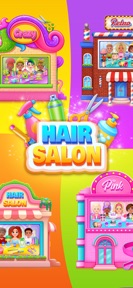







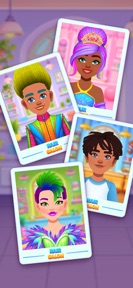








Snapshot


Publisher DNA
What defines Kidospace?
AI intelligence is not yet available for Kidospace. The portfolio data below is up to date.
Portfolio
What does Kidospace ship?
Apps
17 apps analysed

- The core animal care loop provides a rewarding experience that keeps younger players engaged long-term
- Aggressive monetization prompts frustrate players who prefer a fully free experience without constant payment requests

Analysis in progress

Offline-first architecture ensures consistent session retention in low-connectivity environments
- The core driving gameplay provides an engaging and entertaining experience for young children during play sessions
- Users report: Aggressive monetization and confusing bundle pricing lead users to feel misled during the subscription sign up process

Analysis in progress

Analysis in progress
Single-market publisher, every app ships only to United States.
Based on 7 of 17 apps with localized market data, more coverage rolling in as scans complete · last scanned .
Americas (1)
- United States7 / 7
Core markets (7/7 apps)
User Sentiment
How do users feel about their apps?
3
Positive apps
3
Neutral / mixed
0
Negative apps
60/100
Avg sentiment score

Unlock the app dragging this portfolio down.
Access the full report for freeRivals
Who does Kidospace compete with?
The rivals identified
Nemeses(2)

Users report: Both apps target the same demographic of children aged 2 to 10 with vehicle-themed educational gameplay, competing directly for screen time in the preschool and early elementary segment.


Both apps compete for the same child audience by offering hair styling simulation games and gating content behind subscription services.
Contenders(12)


Both apps target the preschool racing demographic, but they diverge on monetization: Kido Games uses a subscription model to eliminate ads, while Beepzz relies on ad-supported freemium play.


Users report: Both applications target the children's racing game category, competing for the same demographic of young players seeking vehicle-themed entertainment on mobile devices.


Users report: Both apps target children aged 2 to 5 with virtual hair styling simulations, creating direct competition for playtime within the same category.


Both apps target the preschool demographic with vehicle-themed interactive play, competing for the same screen time in the educational simulation category.


Users report: Both apps target the same demographic of children seeking creative hair styling simulations, competing directly on ad-free, safe digital play environments.


Both apps compete for the children's racing game audience by offering interactive vehicle-themed play and exploration.


Users report: Both apps target preschool children with creative hair styling simulations, competing for the same time-share in the digital sandbox category.


Both apps target the same casual hair styling simulation audience, competing for playtime through similar creative makeover mechanics.


Users report: Both apps target young children with car-themed racing games and utilize subscription-based models to gate content.


Both apps compete for the same casual simulation audience by offering character customization and hairstyling tools within a virtual salon environment.


Both apps target the preschool demographic with racing-themed educational gameplay, competing for the same time-share in early childhood digital entertainment.


Both apps target the preschool educational car game segment, competing for the same parent-driven download intent on mobile app stores.
Same space(13)


It appeals to the same creative simulation audience by offering offline hairstyling and hairdressing activities.


It competes for the same creative makeover audience using a specific goth-chic aesthetic.


It targets the same creative simulation demographic by focusing on color mixing and styling.


It addresses the same early-learning demographic by providing creative coloring tools for children under five.


It serves the same preschool role-play audience with a similar suite of virtual beauty tasks.


It serves the same educational play space by offering a variety of mini-games for children.


It shares the same role-playing simulation space by offering multi-level beauty and grooming tasks.


It targets the same creative development audience through drawing prompts and design challenges.


It addresses the same creative simulation interest by offering multi-stage wedding-themed beauty preparation.


It targets the same creative salon simulation audience with a focus on braided hairstyles and doll makeovers.


It captures the same fashion-themed audience through a high-stress obstacle course mechanic.


It serves the same preschool audience by providing a low-stimulation environment for creative play.


It competes for the same early-learner audience by offering a digital playground with mini-games.
