


Rollic Games
For casual mobile gamers seeking short, satisfying gameplay loops, often featuring fashion, ASMR, or organization themes.
 Hair Challenge


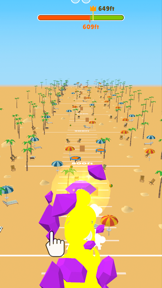


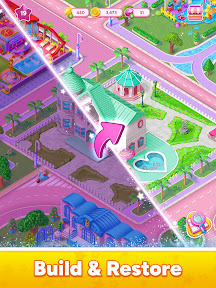


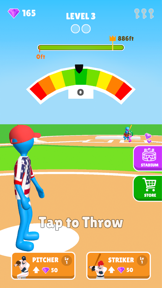


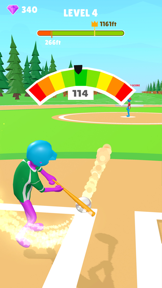






Snapshot
Who is Rollic Games?
Producing massive-scaling, player-centric mobile games that turn bold ideas into global hits for casual audiences.
Target audience


Portfolio
Free 141Last updated

Hair Challenge
v43.4.0
7mo ago
Publisher DNA
What defines Rollic Games?
Publisher DNA
Primary focus
Hyper-casual mobile games and puzzle-runners
Scale
scale-up
Target audience
Casual mobile gamers seeking short, satisfying gameplay loops, often featuring fashion, ASMR, or organization themes.
Signature Patterns
- •Heavy reliance on hyper-casual runner mechanics with unique visual progression metrics.
- •Monetization primarily driven by ad-supported freemium models with ad-removal IAPs.
- •Thematic focus on 'satisfying' or ASMR-style interactions like organizing, stacking, or cleaning.
- •Rapid release and update cycle designed to capitalize on short-lived mobile gaming trends.
Portfolio momentum
Maintaining an exceptionally high output with 221 releases in the last 6 months and a major release occurring within the last 24 hours.
Portfolio
What does Rollic Games ship?
Apps
141 apps analysed

- Core gameplay loop provides a satisfying and engaging experience for casual play sessions
- Excessive ad frequency interrupts gameplay flow and makes the experience feel unplayable for many


Low ad frequency in early levels allows for uninterrupted play sessions for casual users
- The core puzzle mechanics provide an engaging time-passing experience for players who enjoy simple challenges
- Frequent application crashes during gameplay result in the loss of lives and progress for users

- Core gameplay loop provides an addictive experience that keeps players engaged during short sessions
- Aggressive energy mechanics and long recharge timers force players to pay for basic gameplay access

- Relaxing gameplay loop provides a satisfying time-killer experience for players who enjoy simple hoarding mechanics
- Frequent application crashes and launch failures prevent users from accessing the game after recent updates

- The core gameplay loop offers a satisfying way to pass time during short breaks
- Frequent crashes and loading screen freezes prevent users from accessing the game entirely
Americas-centric footprint across 8 markets.
Based on 57 of 141 apps with localized market data, more coverage rolling in as scans complete · last scanned .
Americas (2)
- United States57 / 57
- Canada1 / 57
Europe (2)
- Turkey1 / 57
- United Kingdom1 / 57
Asia-Pacific (4)
- Australia1 / 57
- India1 / 57
- Indonesia1 / 57
- Singapore1 / 57
Core markets (57/57 apps)
User Sentiment
How do users feel about their apps?
5
Positive apps
10
Neutral / mixed
65
Negative apps
31/100
Avg sentiment score

Unlock the app dragging this portfolio down.
Access the full report for freeRivals
Who does Rollic Games compete with?
The rivals identified
Nemeses(6)


Both apps target the casual puzzle audience with one-tap mechanics and freemium models, competing for the same short-session attention span.


Uses a similar traffic management loop but integrates complex obstacles to force strategic planning.


Both apps compete for the same casual merge-puzzle audience by pairing narrative progression with board-clearing mechanics. They directly contest for player session time within the same mobile category.


Shares the core 'crowd-growth' runner DNA while focusing on combat-heavy progression.


Both apps target casual gamers through runner mechanics, creating direct competition for time spent in the arcade category.


Targets the same casual puzzle enthusiasts with vehicle navigation mechanics.
Contenders(27)


Both apps target the casual puzzle market with freemium, tap-based sorting mechanics, competing for the same short-session player base.


Both apps target the casual puzzle demographic with color-matching logic, competing for the same short-session mobile gaming time.


Both apps target casual puzzle players with color-sorting mechanics, creating direct competition for the same user base seeking short, logic-based gaming sessions.


Competes for the same traffic-puzzle audience by using a color-matched passenger dispatch loop.


Both apps target the casual puzzle segment with logic-based sorting mechanics, competing for the same stress-relief-seeking adult demographic.


Both apps target casual puzzle players with repetitive sorting mechanics and rely on ad-heavy monetization, creating direct competition for the same user base.


Targets the same casual stress-relief demographic with a spatial sorting mechanic that mirrors the core sorting loop.


Occupies the same casual collecting-puzzle niche with a core loop focused on satisfying, short-session engagement.


Both apps target casual puzzle players with tactile, short-session mechanics, creating direct competition for the same time-constrained user base.


Both apps compete for the same casual merge-puzzle audience by utilizing narrative-driven restoration loops to drive long-term engagement.


Both apps compete for the same casual puzzle audience by utilizing merge-based gameplay loops and narrative-driven renovation mechanics.


Both apps compete for the same casual merge-puzzle audience by utilizing narrative-driven progression loops and identical freemium monetization models.


Both apps target casual puzzle players with freemium, logic-based mechanics, competing for the same time-passing demographic.


Both apps compete for casual puzzle gamers by utilizing sorting mechanics, creating direct overlap in short-session engagement.


Both apps compete for the same casual merge-puzzle audience by pairing core merge mechanics with narrative-driven progression and renovation tasks.


Both apps compete for the same casual puzzle demographic by using identical color-sorting mechanics and ad-supported monetization models.


The foundational hyper-casual ball-bouncing game that targets the same audience looking for quick, physics-based entertainment.


Both titles utilize a merge-puzzle core loop and narrative-driven restoration mechanics, competing directly for the same casual player base. The shared focus on item-merging and space-restoration creates a direct overlap in user intent.


Both apps utilize a merge-puzzle core loop and town-restoration progression, competing for the same casual mobile gaming audience.


Both titles target the same casual runner audience through math-based gate mechanics and reflex-driven navigation.


Adjacent runner sub-genre that shares the 'collect-and-build' mechanic common in hyper-casual titles.


Both apps target the casual puzzle segment using identical color-sorting logic, competing directly for the same time-filler audience.


Both apps target the same casual puzzle demographic using identical color-sorting mechanics, forcing them to compete directly for the same time-filler usage patterns.


Both titles utilize math-gate runner mechanics to drive coin collection, targeting the same hyper-casual audience segment.


Both titles compete for the same casual merge-puzzle audience by pairing narrative-driven progression with fashion-themed gameplay loops.


Both apps target the casual puzzle demographic using color-matching mechanics, competing for the same time-filler usage pattern on mobile platforms.


Both apps target casual gamers within the endless runner category, competing for player attention through reflex-based navigation and currency collection mechanics.
Same space(51)


Shares the idle-clicker space, using a time-travel prestige mechanic to drive long-term retention.


Targets the same casual puzzle audience with a color-matching voxel block mechanic.


Targets the same casual puzzle audience with a grid-based traffic-sorting mechanic.


Colrfill competes for the same casual logic-puzzle audience but remains in a dormant state, lacking the active development seen in other casual titles.


Shares the same casual sorting-puzzle audience by focusing on spatial reasoning and pin-based logic.


A high-quality incremental game with a dedicated casual fan base interested in automated wealth generation.


Targets the same competitive casual audience but uses Mahjong Solitaire as the base for real-money tournament play.


Operates in the business tycoon space, using manufacturing and distribution mechanics to build an empire.


Competes for the same casual sorting-puzzle audience with a logic-based thread organization loop.


Directly overlaps in the arcade runner category, utilizing speed-ramp mechanics similar to the math-gate runner loop.


Provides a similar idle-tycoon experience but focuses on hospitality management rather than retail or coin collection.


Coexists as a simulation title, using crime-syndicate management to provide a more strategic idle experience.


Shares the casual puzzle audience but focuses on kingdom-building progression rather than narrative-driven merge tasks.


Targets the same casual mental-reset audience with a tap-away mechanic that mirrors the core sorting loop.


Shares the same casual puzzle space with a focus on clearing traffic gridlocks.


Shares the grid-based traffic-sorting puzzle loop but suffers from similar ad-monetization friction.


Targets the same casual puzzle demographic, integrating block-clearing mechanics with real-money tournament play.


Targets the same casual puzzle audience with color-matching and spatial planning mechanics.


Targets the same casual traffic-puzzle audience with a color-matched passenger sorting mechanic.


Shares the same casual sorting-puzzle audience by focusing on precision placement and logical reasoning.


Offers a similar progression-heavy loop but replaces runner mechanics with life-simulation and career-climbing tasks.


Block Blast! occupies the same casual puzzle space as Pencil Loop! but leverages a massive install base and offline-first architecture to dominate the category.


Operates in the same idle-simulation space, providing a more mature prestige-based progression system than the runner-based loop.


Shares the runner-based category but focuses on arithmetic speed rather than coin collection.


Shares the same casual puzzle space with a focus on strategic planning to clear traffic.


This title competes for the same casual merge-puzzle audience by using narrative-driven progression to anchor daily play sessions.


Offers a similar block-placement puzzle experience for users seeking offline, ad-supported casual play.


Anchors the casual puzzle market through massive social infrastructure, creating a high-retention alternative for players frustrated by technical instability.


Shares the same casual puzzle space with a focus on logical thinking through vehicle navigation.


Shares the casual logic-puzzle space, competing for the same time-constrained sessions via a similar grid-based progression.


Appeals to the same casual commuter audience with a sequential-navigation puzzle loop.


Targets the same casual puzzle audience with sliding vehicle mechanics.


Targets the same casual puzzle audience with a focus on bus jam and traffic escape challenges.


Targets the same casual logic-puzzle audience with a path-based connection mechanic.


Focuses on the same casual puzzle audience through a triple-match sorting loop.


Competes for the same casual-gaming time, utilizing a bubble-shooter loop instead of a runner-based math mechanic.


Targets the same narrative-driven puzzle audience but shifts the focus toward 3D exploration and supernatural investigation.


Targets the same casual puzzle audience with a focus on spatial logic.


Targets the same casual sorting-puzzle audience with a triple-matching mechanic.


Competes for the same casual puzzle audience with a similar grid-based traffic-sorting mechanic.


Uses geolocation to gamify property management, offering a different spatial dimension to the idle-tycoon genre.


Brain Puzzle 3: Crazy Mind targets the same casual logic-puzzle demographic but uses a minimalist interface to differentiate from Pencil Loop's coloring focus.


Appeals to the same puzzle-solving demographic by prioritizing atmospheric, narrative-heavy escape room experiences.


Targets the same casual audience with a simple, addictive idle-clicker loop focused on wealth accumulation.


Uses a fortune-wheel loop and social raiding to drive engagement, similar to the idle progression in Money Rush.


Provides a similar merge-based simulation loop, appealing to players interested in creative town-building and quest progression.


Targets casual players seeking simple, repeatable puzzle loops similar to the source app's merge mechanics.


Coexists as a theme-park management idle game, offering a similar passive income progression model to the idle shop system.


Directly competes in the infinite runner category, adding real-world cash prizes to the standard runner loop.


Targets the same casual puzzle audience with a 3D shelf-sorting loop.


Directly overlaps with the merge-puzzle genre, offering a similar world-building progression loop.
New entrants(3)


Targets the same casual sorting-puzzle audience with a kitten-themed shelf organization mechanic.


A rising hybrid threat that uses gate-runner evolution mechanics as its primary user acquisition hook.


Shares the same casual liquid-sorting puzzle audience with a flask-based color matching loop.
The Analyst's Read
The bottom line on Rollic Games
Bottom line
Rollic is a dominant force in the hyper-casual space, demonstrating a sophisticated ability to productize viral mechanics at scale. Their high-volume release strategy and strong weighted rating suggest a disciplined approach to market testing and portfolio management.
Frequently asked questions
How many apps does Rollic Games publish?
What kind of apps does Rollic Games make?
What is Rollic Games's top app?
In how many countries are Rollic Games's apps available?
What fed this analysis
- Apps analyzed:
- 63
- With full intel:
- 53
- With overview:
- 63
- Website scraped:
- yes
- Social presence:
- yes
