


Mind Rain
 Classic Solitaire Master
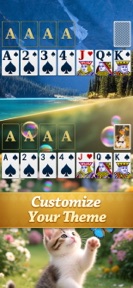


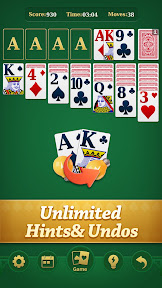


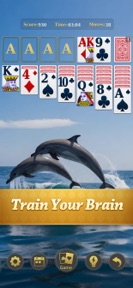


Snapshot


Publisher DNA
What defines Mind Rain?
AI intelligence is not yet available for Mind Rain. The portfolio data below is up to date.
Portfolio
What does Mind Rain ship?
Apps
5 apps analysed

Biblically themed content and puzzles resonate strongly with players seeking faith-based entertainment options
- The core solitaire gameplay loop provides a relaxing and mentally stimulating experience for daily players
- Frequent forced advertisements interrupt the flow of gameplay and frustrate users during sessions
Play classic Solitaire offline! Daily challenges & themes. Simple & fun.


Analysis in progress

Analysis in progress

Analysis in progress

Analysis in progress
Distributed across 19 markets, strongest in Europe.
Based on 1 of 5 apps with localized market data, more coverage rolling in as scans complete · last scanned .
Americas (4)
- Brazil1 / 1
- Canada1 / 1
- Mexico1 / 1
- United States1 / 1
Europe (9)
- France1 / 1
- Germany1 / 1
- Italy1 / 1
- Netherlands1 / 1
- Portugal1 / 1
›+4 more europe markets
- Spain1 / 1
- Sweden1 / 1
- Turkey1 / 1
- United Kingdom1 / 1
Asia-Pacific (6)
- India1 / 1
- Indonesia1 / 1
- Japan1 / 1
- Singapore1 / 1
- South Korea1 / 1
›+1 more asia-pacific market
- Vietnam1 / 1
Core markets (1/1 apps)
User Sentiment
How do users feel about their apps?
1
Positive apps
0
Neutral / mixed
0
Negative apps
65/100
Avg sentiment score
Rivals
Who does Mind Rain compete with?
The rivals identified
Same space(19)

Competes for the same casual solitaire audience by offering an offline-capable, fast-paced card game experience.


Combines classic solitaire with aquarium decoration to attract casual players interested in virtual collection simulations.


Targets the same casual audience by combining classic solitaire with a sliding puzzle game mode.


Targets the same casual solitaire audience with a focus on standard card mechanics and offline play.


Serves as an adjacent trick-taking card game that appeals to the same casual demographic interested in classic titles.


Uses a meta-game postcard collection to provide a narrative hook that differentiates it from standard solitaire.


Targets the same casual solitaire audience with a focus on skill improvement and daily challenge content.


Targets the same casual solitaire audience by providing a basic, free-to-play implementation of the classic game.


Competes for the same casual puzzle audience by using a high-frequency daily challenge loop for retention.


Blends classic card mechanics with word logic to capture a broader casual puzzle audience than standard solitaire.


Serves as an adjacent card game that attracts the same casual demographic interested in classic tabletop titles.


Leverages a 40-year brand heritage to attract casual card players, though it uses energy-gating to manage flow.


Competes for the same casual card game audience by offering a daily challenge loop that drives long-term retention.


Targets the same casual solitaire audience with an offline-first approach that ensures continuity in low-connectivity environments.


Targets the same stress-free solitaire niche by prioritizing a minimalist aesthetic to attract casual players.


Offers a suite of card variants that appeals to the same casual demographic seeking variety and accessibility.


Targets the same Klondike solitaire player base with offline-first architecture that functions as a primary retention mechanism.


Appeals to the same casual audience by offering a distraction-free, offline-capable card experience for daily breaks.


Shares the same casual solitaire audience but relies on high-frequency ad-supported monetization that creates a churn risk.
