


PiyoLog
 PiyoLog Baby Feeding Tracker



Snapshot


Publisher DNA
What defines PiyoLog?
AI intelligence is not yet available for PiyoLog. The portfolio data below is up to date.
Portfolio
What does PiyoLog ship?
Apps
10 apps analysed

Integrated reminder system centralizes scheduling workflows
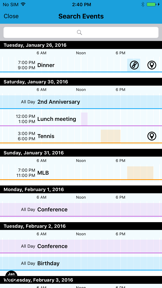
- Monthly calendar view provides a clear visual overview of all scheduled events and tasks
- Data loss incidents following updates or device changes cause users to lose years of history

Native system calendar synchronization reduces friction for new user adoption
- The application provides a high level of utility for users who lack technical expertise
Voice-activated logging via Siri and Alexa reduces friction during hands-busy nursing sessions.
- Comprehensive activity logging features allow parents to track health and routine data in one place
- Syncing errors between user accounts occasionally prevent shared data from updating across devices

Baby Tracker for Breastfeeding, sleep, baby eating, baby growth and diaper.


Analysis in progress

Analysis in progress
Distributed across 12 markets, strongest in Europe.
Based on 5 of 10 apps with localized market data, more coverage rolling in as scans complete · last scanned .
Americas (3)
- United States5 / 5
- Mexico4 / 5
- Brazil3 / 5
Europe (7)
- Germany4 / 5
- Spain4 / 5
- France3 / 5
- Italy3 / 5
- Portugal3 / 5
›+2 more europe markets
- Netherlands1 / 5
- Sweden1 / 5
Asia-Pacific (2)
- Japan4 / 5
- South Korea4 / 5
Core markets (5/5 apps)
User Sentiment
How do users feel about their apps?
3
Positive apps
1
Neutral / mixed
0
Negative apps
74/100
Avg sentiment score
Unlock the app dragging this portfolio down.
Access the full report for freeRivals
Who does PiyoLog compete with?
The rivals identified
Nemeses(3)

known for 123 Learning Games for Kids 3+
Both apps target the 2 to 6 age demographic for early childhood education, creating direct competition for parental attention and screen time within the preschool learning category.


Both applications target the same parent demographic for tracking health and routine milestones, with the rival capturing users during pregnancy while PiyoLog focuses on the immediate postpartum period.


Both applications target new parents requiring collaborative health and routine tracking, competing directly for the same user base through shared data synchronization features.
Contenders(25)


Both applications target parents requiring health and routine tracking for newborns, utilizing a free, ad-supported model to capture the same user segment.


The rival captures the target demographic earlier in the maternity lifecycle by focusing on cycle tracking and pregnancy wellness before birth.


Both apps target parents requiring newborn health tracking, competing for the same user base through freemium models that rely on ad-supported entry points.


Both applications target parents requiring daily infant health and routine tracking, competing directly on core logging features for feeding, sleep, and diaper changes.


Both apps target new parents with free tracking tools, but the rival acquires users earlier in the lifecycle by starting at conception and pregnancy.


Baby Daybook competes directly with PiyoLog by targeting the multi-caregiver newborn tracking market, offering overlapping core features like family synchronization and voice-command logging.


Both apps compete for the same 2 to 6 year old demographic by providing structured, supplemental educational content for home learning.


Both apps target the 2 to 6 age demographic with gamified early childhood education, creating direct competition for daily screen time among parents seeking foundational numeracy and literacy tools.


Both apps target the preschool demographic with curriculum-based games, creating direct competition for parents seeking foundational learning tools for children aged 2 to 6.


Both apps target new parents needing to track infant health and routines, competing for the same daily active user base through logging features.


Both apps target the 2-5 age demographic within the early childhood education category, competing for the same daily screen time budget of parents seeking developmental tools.


Both apps compete for the same parent demographic by providing core infant activity tracking, forcing users to choose between PiyoLog's collaborative utility and Huckleberry's predictive guidance.


Both apps target the 2 to 5 age demographic with core curriculum focused on early literacy and numeracy, creating direct competition for daily screen time in the early childhood education category.


Both applications target parents requiring multi-user synchronization for infant health tracking, creating direct competition for the same household-coordination use case.


Both apps target parents needing collaborative, multi-device infant health tracking, creating direct competition for the same household-level user base.


Both apps target the parental tracking market, but the rival captures users earlier in the lifecycle with ovulation and pregnancy tracking tools before transitioning to baby care.


Both apps target parents tracking newborn milestones and daily routines, competing for the same user base seeking to record feeding and growth data.


Both apps target the 2 to 6 age demographic with curriculum-based learning, creating direct competition for parents seeking foundational literacy tools. The apps overlap in their core focus on early childhood letter recognition and tracing.


Both applications target caregivers requiring collaborative tracking of infant health and daily routines, competing directly on multi-user synchronization and activity logging capabilities.


Both apps target new parents seeking childcare utilities, competing for daily device usage and home-screen placement. Bibino focuses on live video monitoring, while PiyoLog centers on asynchronous health and routine tracking.

known for 123 Toddler games for 2 3 year
Both apps target the 2 to 6 age demographic with math-focused educational content and utilize a freemium model to gate advanced learning modules.


Both apps target the 2 to 6 age demographic for early childhood education, creating direct competition for parental screen-time budgets.


Both apps target the 2 to 6 age demographic with interactive educational content, competing for parental attention during early childhood development sessions.


The rival captures expectant mothers during gestation with a due date tracker, establishing a daily logging habit before PiyoLog's postpartum tracking begins.

known for 123 Learning Games for Kids 2
Both apps compete for the same 2-4 age demographic by offering gamified educational content, directly vying for limited daily screen time in the early childhood education category.
Same space(10)


This app targets the same parenting demographic but prioritizes visual memory preservation over clinical health logging.


DoubleLoving addresses the same care-logging needs as PiyoLog but specializes in the specific, high-intensity requirements of twin parenting.


Newborn Baby Tracker & Log offers a broad, journal-style logging interface similar to PiyoLog for parents managing multiple infant milestones.


This app provides specialized clinical data validation for parents who require precise medical growth monitoring.


This app targets the same preschool demographic as Suku Plus but focuses on general cognitive development through shape and color matching rather than Japanese language acquisition.


Baby Feeding Logger provides a privacy-focused alternative to PiyoLog by removing the cloud-syncing dependency entirely.


This app addresses the same tracking needs while adding predictive behavioral modeling to standard health monitoring.


Noora targets the same postnatal care segment as PiyoLog but emphasizes a simplified, ad-free interface for exhausted parents.


Prego serves the same parent demographic but focuses on the prenatal stage rather than the postnatal care tracking provided by PiyoLog.


Feveroo targets the same parent demographic as PiyoLog but restricts its utility to medical and illness-specific documentation.
New entrants(1)


Baby Steps serves the same health-tracking audience as PiyoLog but prioritizes local, non-networked storage for sensitive medical records.
