

Shanghai Freemind Software Co.
 Tile Match Triple Match Puzzle




Publisher DNA
What defines Shanghai Freemind Software Co.?
AI intelligence is not yet available for Shanghai Freemind Software Co.. The portfolio data below is up to date.
Portfolio
What does Shanghai Freemind Software Co. ship?
Apps
2 apps analysed

Grid-storage mechanic extends session length
- Offline-first architecture enables play in restricted environments

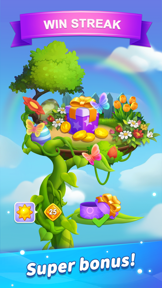
Experience endless fun and mental exercise with addictive tile-matching game!
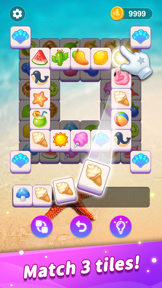


Visual design and large tile sizes ensure the interface remains accessible and engaging for all users
- Relaxing mahjong-style tile matching gameplay provides a stress-relieving mental exercise for casual daily players
- Occasional long-form advertisements break the concentration required for challenging tile matching sessions during extended play
Distributed across 20 markets, strongest in Europe.
Based on 2 of 2 apps with localized market data · last scanned .
Americas (4)
- Brazil2 / 2
- Mexico2 / 2
- United States2 / 2
- Canada1 / 2
Europe (9)
- France2 / 2
- Germany2 / 2
- Portugal2 / 2
- Spain2 / 2
- Italy1 / 2
›+4 more europe markets
- Netherlands1 / 2
- Sweden1 / 2
- Turkey1 / 2
- United Kingdom1 / 2
Asia-Pacific (7)
- Japan2 / 2
- South Korea2 / 2
- Australia1 / 2
- India1 / 2
- Indonesia1 / 2
›+2 more asia-pacific markets
- Singapore1 / 2
- Vietnam1 / 2
Core markets (2/2 apps)
User Sentiment
How do users feel about their apps?
1
Positive apps
0
Neutral / mixed
0
Negative apps
92/100
Avg sentiment score
Rivals
Who does Shanghai Freemind Software Co. compete with?
The rivals identified
Nemeses(2)

Both apps target the same casual puzzle demographic using triple-match mechanics, competing directly for daily engagement time.


Both apps compete for the same casual puzzle audience by offering relaxing, repetitive matching loops, but the rival captures users through narrative-driven progression and offline accessibility.
Contenders(9)


Both apps target casual puzzle players with Mahjong-inspired triple-matching mechanics, creating direct competition for the same short-session, relaxing gameplay niche.


Both apps compete for the same casual gaming audience by offering short, stress-relieving puzzle sessions that target daily engagement.


It leverages a massive level library and social tournament loops to maintain a daily habit for casual players.


Both apps target the casual puzzle market with triple-matching mechanics, competing for the same user base seeking short, repetitive mental exercises.


Both apps target casual puzzle players with triple-match mechanics, competing for daily engagement time through repetitive, relaxing mental exercises.


Both apps target casual puzzle players with a shared triple-match core loop, competing for the same daily mental exercise habit.


Both apps target the casual puzzle demographic with a triple-match core loop, competing directly for the same daily engagement time.


Both apps target casual puzzle players through a triple-match core loop, competing for the same time-share in the casual gaming market.


Both apps target casual puzzle players using mahjong-inspired triple-matching mechanics, creating direct competition for daily engagement time.
Same space(25)


Shares the mahjong-solitaire category but adds a progression-based crown system to incentivize repeat play.


Targets the same casual puzzle base but uses a scavenger-hunt thematic map rotation to differentiate its matching activity.


It captures the senior demographic by prioritizing high-contrast, large-tile design to facilitate a consistent daily puzzle habit.


It uses a travel-themed narrative to frame its triple-match mechanics, aiming to provide a relaxing experience.


Focuses on the same senior-friendly accessibility as the source app, specifically highlighting minimalist design and large tiles.


Focuses on a calm, no-timer matching experience that competes for the same relaxation-seeking audience.


Provides a similar tile-matching experience but focuses on a massive library of over 1,000 levels to drive retention.


Provides a similar mahjong-solitaire experience but leverages iMessage integration to drive social, competitive play.


Coexists in the casual puzzle space by applying a traffic-themed mechanic to the same matching loop found in the source app.


It expands the tile-matching genre by integrating minigames and thematic progression maps to keep the core loop fresh.


Uses a global city-tour narrative to differentiate its matching loop from the source app's standard mahjong-inspired experience.


Targets the same senior-friendly niche but differentiates through multiplayer tournament features.


It layers 3D kingdom-building meta-progression over standard matching mechanics to increase long-term retention.


Operates in the same mahjong-tile space but emphasizes a logic-first, brain-training approach rather than pure relaxation.


Shares the same mahjong-solitaire foundation but demonstrates how removing core decoration features can trigger user attrition.


Users report: It targets the same senior demographic with high-contrast design but suffers from monetization friction due to deceptive ad-free claims.


Uses a world-map progression system to structure its triple-match gameplay, similar to the source app's level-based approach.


Uses a narrative-driven renovation storyline to anchor its matching loop, providing a different retention mechanism than the source app.


Offers a similar classic solitaire experience but is specifically optimized for portrait-mode play on mobile devices.


It combines tile matching with town-building progression to compete for the same casual brain-training audience.


Blends the same tile-matching mechanics with a home renovation meta-layer, similar to other renovation-themed puzzle games.


Targets the same senior demographic as the source app, but uses a large-scale UI design to lower entry barriers for older adults.


Operates in the same mahjong-solitaire space but currently suffers from significant performance issues reflected in its low rating.


Focuses on the classic Shanghai-style board game, targeting the same traditional mahjong-solitaire player base.


It utilizes the same tile-matching mechanic but relies on visual landscape themes to differentiate its casual puzzle offering.
New entrants(1)


Targets the same relaxation-seeking casual audience but uses a word-construction loop instead of pure tile-matching.
