


Studio Pango
For parents and caregivers of children aged 3-6 seeking ad-free, independent digital play experiences for pre-literate users.
 Pango Kumo - Weather Play




















Snapshot
Who is Studio Pango?
Providing parents with safe, text-free digital play environments that encourage early literacy and creative exploration for toddlers.
Target audience


Portfolio
Free 5Last updated

Pango Kumo - Weather Play
vVARY
7mo ago
Publisher DNA
What defines Studio Pango?
Publisher DNA
Primary focus
Children's educational apps and interactive games
Scale
indie
Target audience
Parents and caregivers of children aged 3-6 seeking ad-free, independent digital play experiences for pre-literate users.
Signature Patterns
- •Premium monetization strategy utilizing one-time paid purchases instead of subscriptions or ads.
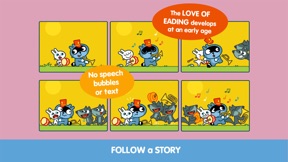
- •Text-free and speech-bubble-free interfaces designed for pre-literate children.
- •Focus on open-ended sandbox exploration and physics-based interaction.
- •Consistent character-driven branding across Education, Games, and Books categories.
Portfolio momentum
The publisher maintains a steady cadence with 5 updates across its portfolio in the last 6 months, focusing on sustaining its core educational titles.
Portfolio
What does Studio Pango ship?
Apps
23 apps analysed


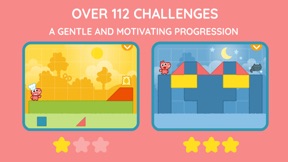
Logic-based path building fosters spatial reasoning, creating a clear educational value proposition
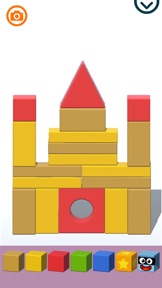
- The core logic and block-based puzzle mechanics effectively foster creativity and logical thinking in young children
- The limited number of available levels and challenges restricts long-term replayability for children who solve puzzles quickly

Imagine, build and customize your own world in a fun open-ended creative game


Distributed across 20 markets, strongest in Europe.
Based on 13 of 23 apps with localized market data, more coverage rolling in as scans complete · last scanned .
Americas (4)
- Mexico13 / 13
- United States13 / 13
- Brazil12 / 13
- Canada7 / 13
Europe (9)
- France13 / 13
- Italy13 / 13
- Spain13 / 13
- Germany12 / 13
- Portugal12 / 13
›+4 more europe markets
- Sweden10 / 13
- Netherlands9 / 13
- Turkey7 / 13
- United Kingdom7 / 13
Asia-Pacific (7)
- Japan13 / 13
- South Korea13 / 13
- Australia7 / 13
- India7 / 13
- Indonesia7 / 13
›+2 more asia-pacific markets
- Singapore7 / 13
- Vietnam7 / 13
Core markets (13/13 apps)
User Sentiment
How do users feel about their apps?
5
Positive apps
2
Neutral / mixed
1
Negative apps
66/100
Avg sentiment score
Unlock the app dragging this portfolio down.
Access the full report for freeRivals
Who does Studio Pango compete with?
The rivals identified
Nemeses(2)


Dr. Seuss's ABC competes as a premium-priced interactive book, using the same model as Pango Comics but adding explicit ELA-aligned learning activities.


Both apps target the early childhood demographic with paid, open-ended virtual play experiences that emphasize role-play and creative exploration.
Contenders(1)


Both apps target the 3+ age demographic with interactive storytelling, creating direct competition for parents seeking bedtime reading content.
Same space(50)

Epic competes for the same family screen time by offering a massive library, though it relies on a subscription model rather than Pango's one-time purchase.


Targets the same preschool age group with a structured, research-based curriculum that competes for the same screen time as open-ended construction games.


Booka targets the same zero-to-nine age range, positioning itself as a routine-integrated reading tool for daily activities.


Offers a rule-free, offline-capable home simulation that competes for the same toddler audience seeking imaginative, low-stress play environments.


Khan Academy Kids serves the same early education demographic but provides a free, standards-aligned curriculum that contrasts with Pango's story-focused approach.


Targets the same 2-8 age demographic with a massive library of games that compete for the same daily engagement as city-building simulations.


Provides a calm, offline-first digital playroom that serves as a direct alternative to the active construction mechanics of Pango.


Talking Pato shares the interactive character-based engagement model found in Pango, though it focuses on virtual pet-style play.


Litri targets the same bedtime routine niche, emphasizing a calm, ad-free experience with professional narration.


This app provides a similar interactive storybook experience to Pango, focusing on a single classic tale with embedded games.


Focuses on video-based habit and cognition training for children aged 0-6, complementing exploration-based apps.


Offers a structured, ad-free environment that appeals to the same safety-conscious parents who choose Pango for their children.


Reading Eggs provides a comprehensive literacy curriculum for a wider age range, competing with Pango Comics by offering a massive library of 4,000 e-books.


Little Stories competes for bedtime engagement by offering personalization features that Pango Comics lacks, such as custom audio recording.


Duolingo ABC provides a free, ad-free literacy curriculum that competes for the same 3-8 age group by offering a more structured, gamified learning path.


Readability addresses reading comprehension through voice-recognition tutoring, providing a technical alternative to the text-free visual storytelling of Pango Comics.


Kido competes for the same young reader audience by emphasizing interactive narration and a broad library of story genres.


Replicates physical wooden-train play in a digital format, competing directly with Pango's construction-based role-play for the same age demographic.


Uses image recognition technology to identify nature, serving as an educational tool for outdoor exploration.


Off to Bed shares the same bedtime routine focus, using animated city-based adventures to help children wind down.


Kahoot! Learn to Read by Poio uses an adventure-themed narrative to teach phonics, competing for the same early-literacy audience as Pango Comics.


Bedtime Stories for Kids provides a similar digital library experience but operates on a freemium model with a larger content volume.

known for Early reading kids books - reading toddler games
This app targets the same early literacy space as Pango but uses a Montessori-based framework for its interactive content.


Provides a broad collection of mini-games covering diverse topics like music and math for toddlers.


Directly overlaps with Pango's construction focus by providing a digital sandbox specifically for building and operating virtual trains.


Shares the early childhood education space but uses a non-monetized ministry model to drive engagement.


This collection targets the same bedtime routine niche as Pango, focusing on moral-based storytelling for children.


PIBOCO offers a similar interactive reading experience but targets families seeking high-end artistic and animated storybooks.


This collection provides classic fairy tales for bedtime, serving the same audience as Pango's interactive storybook app.


Focuses on logic and reasoning through jungle-themed puzzles, serving the same early childhood educational niche.


Kids Bedtime Stories offers a similar library of moral-based stories, targeting the same parent-child reading dynamic as Pango.


Good Night focuses on the same bedtime routine theme as Pango, using interactive lullaby mechanics to engage young children.


Izneo provides a digital reader for comics and graphic novels, serving as a broader platform for older readers compared to the pre-literate focus of Pango Comics.


Users report: Spark Reading focuses on reading comprehension and strategy, targeting older children than Pango Comics with a tutoring-style approach.


Blends digital search-and-find mechanics with physical-world activities for the same age group.

known for Planet Geo - Geography & Learning Games for Kids
Users report: Offers a structured, ad-free geography learning tool that targets slightly older children within the same educational space.


Readmio targets the same bedtime storytelling segment but uses voice-recognition to trigger audio effects, creating a different interactive layer than Pango Comics.


Features prehistoric-themed animations and animal sounds, appealing to the same early childhood development segment.


Bedtime Stories: Read Aloud targets the same parental need for bedtime content, offering a mix of short stories and audio narration.


Splash Reading competes for the same educational audience by using game-based mechanics to teach literacy skills to elementary-aged children.


Targets the 1-3 age range with interactive animations and sounds, similar to the exploration focus of Pango.


Reading.com targets the same early-literacy demographic but shifts the focus from independent story exploration to a parent-led, scripted instructional experience.


Uses a virtual playhouse environment to teach daily self-care routines to the same preschool audience.


Big Cat Little Cat shares the narrative-driven, nocturnal theme of Pango, though it uses puzzle mechanics for engagement.


Dominates the open-ended creative play space, providing a massive, frequently updated sandbox that sets the standard for digital dollhouse experiences.


Kidsland provides a similar story collection for young children, focusing on pedagogical approval and multilingual support.


Shares the focus on logic and structural manipulation found in Pango but shifts the core mechanic toward physics-based arithmetic puzzles.


Vooks targets the same screen-time-conscious parents but differentiates by adding a creation tool for children to build their own digital books.


Ponga serves the same preschool audience with interactive stories, but it differentiates through an offline-first, faith-based content strategy.


Focuses on critical thinking and problem-solving through a large library of puzzles for young children.
New entrants(3)


Targets the same creative-development audience as Pango, though it focuses on digital art and AI-assisted design rather than urban construction.


Users report: ReadingFox targets older children than Pango Comics but uses a similar subscription-based educational model to enforce daily reading habits.


Baby Blake's Bedtime Stories targets the same bedtime niche but uses generative personalization to make the child the hero.
The Analyst's Read
The bottom line on Studio Pango
Bottom line
Studio Pango is a well-positioned indie publisher successfully defending a premium, ad-free niche in the early childhood market. Their commitment to text-free UI and one-time purchases provides a clear strategic alternative to the subscription-heavy models of larger competitors.
Frequently asked questions
How many apps does Studio Pango publish?
What kind of apps does Studio Pango make?
What is Studio Pango's top app?
In how many countries are Studio Pango's apps available?
What fed this analysis
- Apps analyzed:
- 7
- With full intel:
- 2
- With overview:
- 7
- Website scraped:
- yes
- Social presence:
- no
