


The Hut.com
For consumers seeking premium beauty, fitness nutrition, and licensed pop-culture merchandise, ranging from skincare enthusiasts to entertainment collectors.
 LOOKFANTASTIC: Beauty & Makeup


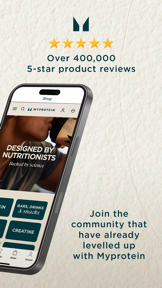






Snapshot
Who is The Hut.com?
Providing a centralized mobile shopping experience for premium beauty, fitness, and pop-culture merchandise. Connecting consumers to curated brand catalogs through streamlined mobile storefronts.
Target audience


Portfolio
Free 9Last updated

LOOKFANTASTIC: Beauty & Makeup
v2.73.1
6mo ago
Publisher DNA
What defines The Hut.com?
Publisher DNA
Primary focus
E-commerce and retail shopping applications
Scale
indie
Target audience
Consumers seeking premium beauty, fitness nutrition, and licensed pop-culture merchandise, ranging from skincare enthusiasts to entertainment collectors.
Signature Patterns
- •Dedicated single-brand mobile storefronts rather than a unified marketplace.
- •Monetization via direct e-commerce sales with no subscription or ad-based revenue models.
- •Heavy reliance on app-exclusive discounts, flash sales, and loyalty program incentives to drive retention.
- •Integration of educational content and expert curation to support product discovery in beauty and fitness categories.
- •Streamlined checkout and order management as core functional pillars.
Portfolio momentum
Released 18 updates across 9 apps in the last 6 months, indicating a high-frequency development cycle focused on maintaining retail storefront stability.
Portfolio
What does The Hut.com ship?
Apps
9 apps analysed


Rivals
Who does The Hut.com compete with?
The rivals identified
Nemeses(1)

Decathlon competes for the same fitness-focused consumer wallet by offering a broad catalog of sports equipment and apparel, directly overlapping with the activewear and retail focus of Myprotein.
Contenders(2)


Both apps target fitness enthusiasts through direct-to-consumer supplement retail, competing for the same mobile-first purchase intent.


Both apps function as retail channels for sports nutrition supplements in the UK market, targeting fitness enthusiasts seeking product recommendations and purchasing options.
Same space(20)


Core competes for the same fitness-conscious audience by offering structured workout programs and AI-powered nutrition tracking.


Fitness Camp targets the same women-focused fitness demographic by providing video-guided training and nutrition recipes.


Fitness: 筋肉, フィットネス & 筋トレアプリ competes for the same fitness-conscious audience by offering ready-made workout plans and diet advice.


FizzUp competes for the same home-fitness audience by providing short, equipment-free workout and nutrition plans.


Grity competes for the same fitness-conscious audience by bundling nutrition and sport into a single subscription platform.


Protein Tracker serves the same fitness-conscious audience by providing a focused, ad-free utility for tracking protein intake.


Nutrition Coach addresses the same audience seeking sustainable weight management through meal planning, offering an alternative to the supplement-heavy focus of Myprotein.


MyFitnessPal captures the same health-conscious demographic by providing a massive food database and tracking tools that complement the supplement consumption habits of Myprotein users.


Noom targets the same health-conscious users but focuses on behavioral psychology and clinical support, offering a different retention mechanism than Myprotein's retail model.


Oomph targets the same fitness-conscious users by offering AI-powered food logging and customized workout plans.


Fooducate serves the same health-conscious users by providing nutritional analysis and tracking, acting as a decision-support tool for supplement and food purchases.


Seeking Health competes for the same supplement-buying audience by offering specialized, research-backed formulations for complex health needs.


Shop acts as a centralized commerce utility for tracking and checkout, competing for the same transaction-ready audience that uses the Myprotein app for supplement purchases.


SuppCo serves the same supplement-focused audience by providing a dedicated tracker for vitamin and supplement intake.


Sweat competes for the same fitness-conscious audience by offering structured, trainer-led programs that prioritize long-term habit formation.


The Body Coach targets the same fitness-oriented users by bundling structured workout plans with tailored nutrition, competing for the user's daily fitness habit.


The Vitamin Shoppe competes directly with Myprotein by offering a retail-first experience that bridges physical store inventory with digital loyalty rewards.


UNiDAYS serves the same student demographic as Myprotein, providing a portal for discounts that directly influences purchasing decisions for retail and lifestyle brands.


V Shred targets the same fitness-focused audience by offering personalized diet and training programs based on specific body types.


Virtuafood targets the same fitness-conscious users by integrating nutrition tracking with broader fitness activity data.
New entrants(1)


Evolvea serves the same fitness-conscious audience by providing a free, ad-free platform for logging training, nutrition, and cardio.
The Analyst's Read
The bottom line on The Hut.com
Bottom line
The Hut.com Ltd effectively uses a 'brand-first' mobile strategy to capture high-intent shoppers across diverse retail verticals. Their ability to maintain high ratings while scaling multiple specialized storefronts suggests a robust, repeatable e-commerce backend.
Frequently asked questions
How many apps does The Hut.com publish?
What kind of apps does The Hut.com make?
What is The Hut.com's top app?
What fed this analysis
- Apps analyzed:
- 9
- With full intel:
- 0
- With overview:
- 9
- Website scraped:
- yes
- Social presence:
- yes
