


UNIVERSAL BANK, PRAT
 monobank — digital mobile bank


Snapshot


Publisher DNA
What defines UNIVERSAL BANK, PRAT?
AI intelligence is not yet available for UNIVERSAL BANK, PRAT. The portfolio data below is up to date.
Portfolio
What does UNIVERSAL BANK, PRAT ship?
Apps
4 apps analysed

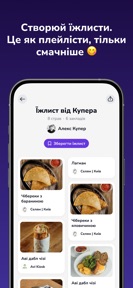
Eatlists feature creates community-driven content layer
- The core utility of calculating shared expenses and tips provides significant value for social dining
- Inconsistent dark mode implementation makes text unreadable by rendering white fonts on white backgrounds
Mobile bank: credit card, money transfer, online payments, bills, cashback.


Analysis in progress

Analysis in progress

Analysis in progress
Distributed across 12 markets, strongest in Europe.
Based on 1 of 4 apps with localized market data, more coverage rolling in as scans complete · last scanned .
Americas (3)
- Brazil1 / 1
- Mexico1 / 1
- United States1 / 1
Europe (7)
- France1 / 1
- Germany1 / 1
- Italy1 / 1
- Netherlands1 / 1
- Portugal1 / 1
›+2 more europe markets
- Spain1 / 1
- Sweden1 / 1
Asia-Pacific (2)
- Japan1 / 1
- South Korea1 / 1
Core markets (1/1 apps)
User Sentiment
How do users feel about their apps?
1
Positive apps
0
Neutral / mixed
0
Negative apps
75/100
Avg sentiment score
Rivals
Who does UNIVERSAL BANK, PRAT compete with?
The rivals identified
Nemeses(1)


Both apps target urban diners seeking restaurant discovery and reservation tools, though they operate in distinct geographic markets with different primary utility drivers: payment versus discovery.
Same space(14)


Mein Aramark Restaurant serves a similar institutional dining audience, though it is restricted to specific corporate facilities.


Beyond Menu serves the same urban dining audience, focusing on independent restaurants to differentiate from larger delivery platforms.


Bolt Food provides a logistics-heavy delivery alternative for the same urban users who rely on Expirenza for dining workflows.


Dojo provides a virtual queuing utility that overlaps with Expirenza's focus on spontaneous urban dining experiences.


First Table targets the same budget-conscious urban diners as Expirenza, using a booking fee model to incentivize restaurant visits.


foodora targets the same urban diner demographic, providing a similar discovery and delivery utility for local restaurant meals.


HungerStation captures the same urban dining market in Saudi Arabia, using a massive merchant network to drive transaction volume.


Dairy Queen provides a loyalty-based ordering utility that competes for the same urban food spend as Expirenza.


Keeta competes for the same urban dining market, relying on transaction-based revenue similar to Expirenza's payment-centric model.


TheFork acts as a direct booking alternative for the same urban dining audience, focusing on reservation utility.


Rappi serves as a comprehensive delivery utility that overlaps with Expirenza's urban user base by offering instant fulfillment.


Too Good To Go targets the same urban diner demographic but focuses on surplus food recovery rather than bill settlement.


Wolt Delivery competes for the same urban dining and grocery spend, offering a more feature-rich logistics layer than Expirenza.


Zomato functions as a broad discovery and delivery utility that competes for the same urban dining spend as Expirenza.
