
Alibaba
For budget-conscious individual shoppers and small business owners seeking wholesale-style pricing on diverse consumer goods.
 AliExpress - Shopping App


Snapshot
Who is Alibaba?
Connecting global consumers directly to manufacturers for factory-direct pricing on a massive catalog of consumer goods.
Target audience


Portfolio
Free 1Last updated

AliExpress - Shopping App
v8.159.2
5mo ago
Publisher DNA
What defines Alibaba?
Publisher DNA
Primary focus
Global e-commerce and direct-to-consumer marketplace
Scale
indie
Target audience
Budget-conscious individual shoppers and small business owners seeking wholesale-style pricing on diverse consumer goods.
Portfolio momentum
Released 12 updates for their active app in the last 6 months, with the most recent update occurring 13 days ago.
Portfolio
What does Alibaba ship?
Apps
1 app analysed
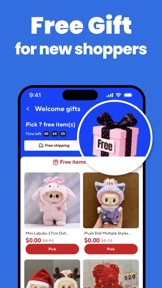
Discover easy shopping and fast delivery with AliExpress shop now!


Mature B2B/Wholesale infrastructure for high-volume buyers
- Wide variety of affordable merchandise keeps bargain-focused shoppers returning for repeat purchases over many years
- Mandatory identity verification requiring biometric data and government IDs triggers significant privacy and security concerns
User Sentiment
How do users feel about their apps?
0
Positive apps
0
Neutral / mixed
1
Negative apps
35/100
Avg sentiment score
Rivals
Who does Alibaba compete with?
The rivals identified
Nemeses(1)

Both platforms compete for global consumers seeking wide product variety, utilizing mature logistics and search infrastructures to capture bargain-focused and collector-oriented shoppers.
Contenders(10)


Both apps compete for global consumers seeking wide product variety and competitive pricing, with Amazon using its logistics infrastructure to capture the same bargain-focused audience AliExpress targets.


Both platforms compete for global bargain-focused shoppers by offering direct-to-consumer electronics and hobbyist gear, creating direct overlap in price-sensitive consumer segments.


Both apps compete for the same bargain-focused consumer segment by offering low-cost fashion and lifestyle products through a mobile-first interface. They overlap directly in the apparel and accessories category, forcing users to choose between a generalist marketplace and a specialized fashion retailer.

known for DHgate-Online Wholesale Stores
Both platforms target global consumers and SME retailers seeking cross-border wholesale pricing, creating direct competition for price-sensitive bulk buyers.


Both apps target budget-conscious consumers seeking affordable goods, competing for share of wallet through high-frequency inventory updates and low price points.


Both platforms share the same global supplier network and parent organization, creating a natural overlap for entrepreneurs who transition from retail bargain hunting on AliExpress to wholesale procurement on Alibaba.com.


Both platforms target budget-conscious global shoppers seeking affordable international goods, creating direct competition for the same bargain-hunting demographic.


Both apps compete for the same mobile-first consumer wallet by offering diverse lifestyle and apparel catalogs, though they differ in their fulfillment and pricing models.


ROMWE captures niche fashion subcultures through aesthetic-based navigation, providing a curated discovery experience that differentiates it from the broad, uncurated AliExpress feed.


Both platforms target budget-conscious global consumers with massive, low-cost inventory, creating direct competition for the same bargain-hunting demographic.
Same space(19)


Adidas competes by using a loyalty-gated membership program to incentivize repeat purchases, contrasting with the transactional, discount-focused model of AliExpress.


Parcels Hub provides a universal tracking interface that simplifies the post-purchase experience for users managing multiple international shipments.


Marketplace functions as a local, peer-to-peer alternative for users who prefer immediate, in-person transactions over the global shipping model of AliExpress.


ASOS offers a curated multi-brand fashion catalog that provides a more structured discovery experience than the fragmented, search-heavy interface of AliExpress.


Wish operates as a direct discount marketplace competitor, targeting the same bargain-focused demographic with an infinite product feed.


Coupert serves as a browser-based assistant that automates savings, providing a layer of price optimization that AliExpress users must manually seek out.


Etsy serves as a specialized alternative for shoppers seeking unique, handmade goods that contrast with the mass-produced inventory found on AliExpress.


H&M bridges physical and digital retail for fashion shoppers, offering a more integrated brand experience than the third-party marketplace model of AliExpress.


IKEA provides specialized in-store navigation and AR tools that reduce purchase hesitation for home goods, a level of utility absent from AliExpress.


Nike competes for the same consumer wallet by offering exclusive, high-intent product drops that drive engagement through brand loyalty rather than bargain hunting.


OfferUp dominates the local secondhand market, providing a high-liquidity alternative for users who prefer local pickup over international shipping.


Packages provides a centralized tracking utility that aggregates data from AliExpress and other major platforms, serving as a secondary tool for the same user base.


Shop acts as a post-purchase utility that consolidates tracking for multiple merchants, addressing the fragmented shipping experience users often face with AliExpress.


StockX provides a high-trust, data-driven alternative for collectors, contrasting with the unverified, high-risk nature of many AliExpress listings.


Target provides a physical-digital fulfillment model that offers immediate gratification through curbside pickup, unlike the international shipping delays common to AliExpress.


UNIQLO provides a vertical-specific retail experience that leverages personalized size data to reduce purchase friction for everyday apparel.


Vinted competes for the fashion-conscious bargain hunter by removing seller fees, creating a strong inventory-acquisition moat that challenges AliExpress's fashion category.


Walmart leverages its massive physical store footprint to offer omnichannel fulfillment, capturing the grocery and household essentials market that AliExpress struggles to penetrate.


Whatnot captures the social-shopping segment by using live-streamed auctions to gamify the discovery process, a feature currently absent from the search-first AliExpress experience.
Frequently asked questions
How many apps does Alibaba publish?
What kind of apps does Alibaba make?
What is Alibaba's top app?
What fed this analysis
- Apps analyzed:
- 1
- With full intel:
- 1
- With overview:
- 1
- Website scraped:
- yes
- Social presence:
- yes