


Temu
For value-seeking retail consumers and enterprise professionals within the Temu supply chain ecosystem.
 Temu: Shop Like a Billionaire


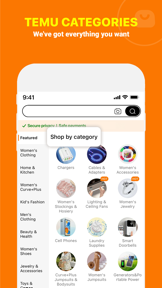


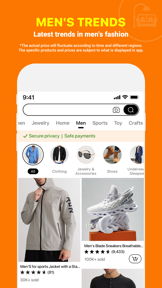


Snapshot
Who is Temu?
Connecting global consumers to affordable goods through a direct-from-factory model while streamlining supply chain communication.
Target audience


Portfolio
Free 3Last updated

Temu: Shop Like a Billionaire
v4.77.0
3mo ago
Publisher DNA
What defines Temu?
Publisher DNA
Primary focus
Cross-border e-commerce and enterprise collaboration tools
Scale
indie
Target audience
Value-seeking retail consumers and enterprise professionals within the Temu supply chain ecosystem.
Signature Patterns
- •Direct factory-to-consumer e-commerce model
- •Discovery-based, gamified user experience in retail
- •Aggressive consumer-facing policies like 90-day free returns
- •Free-to-download pricing across both consumer and enterprise segments
Portfolio momentum
Released 10 updates across 2 active apps in the last 6 months, maintaining a high development cadence for its flagship shopping platform.
Portfolio
What does Temu ship?
Apps
3 apps analysed
Price adjustment policy builds purchase confidence
- Extensive product variety and affordable pricing allow users to find unique items not available locally
- Users report: Deceptive promotional games and free gift offers create a bait and switch experience for users

Factory-direct pricing undercuts local retail
- Low prices on household goods and tools provide significant value for budget-conscious shoppers
- Users report: Deceptive promotional games and free gift offers pressure users into making unnecessary purchases

Zero-cost enterprise-grade feature set
- Workplace Utility
- Account Creation/Login Failures
Distributed across 20 markets, strongest in Europe.
Based on 2 of 3 apps with localized market data, more coverage rolling in as scans complete · last scanned .
Americas (4)
- Brazil2 / 2
- Canada2 / 2
- Mexico2 / 2
- United States2 / 2
Europe (9)
- France2 / 2
- Germany2 / 2
- Italy2 / 2
- Netherlands2 / 2
- Portugal2 / 2
›+4 more europe markets
- Spain2 / 2
- Sweden2 / 2
- Turkey2 / 2
- United Kingdom2 / 2
Asia-Pacific (7)
- Australia2 / 2
- India2 / 2
- Indonesia2 / 2
- Japan2 / 2
- Singapore2 / 2
›+2 more asia-pacific markets
- South Korea2 / 2
- Vietnam2 / 2
Core markets (2/2 apps)
User Sentiment
How do users feel about their apps?
0
Positive apps
1
Neutral / mixed
2
Negative apps
35/100
Avg sentiment score
Unlock the app dragging this portfolio down.
Access the full report for freeRivals
Who does Temu compete with?
The rivals identified
Nemeses(2)

Both apps target value-conscious consumers with high-frequency inventory updates and promotional pricing, creating direct competition for the same budget-constrained shopping demographic.


Both platforms target budget-conscious consumers through high-frequency inventory turnover and aggressive promotional gamification to drive user acquisition.
Contenders(8)


Both platforms target budget-conscious global consumers with factory-direct pricing and wide product variety, creating direct competition for the same bargain-hunting user base.


Fordeal competes for the same value-conscious demographic by offering discounted global brands and localized payment options like cash on delivery, directly challenging the factory-direct pricing model.


Provides threaded team discussions and integrated task management within the Google Workspace ecosystem.


Both platforms target budget-conscious global shoppers with factory-direct pricing and gamified discount loops, creating direct competition for the same value-seeking user base.


Focuses on secure, developer-centric enterprise messaging with threaded discussions and workflow automation.


Both platforms compete for the budget-conscious consumer, with Temu focusing on factory-direct household goods and Poshmark targeting the secondhand fashion resale market. They overlap in the broader discount shopping segment where users prioritize price and discovery.


A high-customization enterprise chat alternative focusing on secure team collaboration and file sharing.


Both platforms target value-conscious consumers in the fashion and home goods segments, competing for wallet share through discounted pricing and promotional incentives.
Same space(32)


Adidas competes for the same lifestyle-conscious shoppers by using loyalty-gated access to drive repeat transactions.


Jumia functions as the regional equivalent of Temu, focusing on the African market with similar flash-sale mechanics.


Aosom competes for the same home-goods budget by offering a wide selection of furniture and outdoor supplies.


Focuses on project collaboration with integrated messaging and task tracking for professional teams.


Brands For Less targets the same value-conscious fashion shoppers by offering designer goods at significant retail discounts.


The Range offers a wide variety of home and hobby products similar to Temu's diverse catalog, focusing on UK-based retail.


Wish operates as a direct discount marketplace competitor, utilizing a similar infinite-scroll feed and low-cost shipping model.


CouponBirds acts as a discovery layer for the same budget-conscious shoppers, aggregating discounts for major retailers.


Depop targets the same fashion-conscious demographic, using a social-first model to facilitate affordable wardrobe refreshes.

known for DHgate-Online Wholesale Stores
DHgate serves as a wholesale alternative for the same cross-border goods found on Temu, targeting professional buyers.


Etsy competes for the same budget-conscious shoppers by offering unique handmade and vintage goods that contrast with Temu's mass-produced inventory.


Made-in-China.com provides a B2B wholesale alternative for the same global supply chain sourcing needs.


Halara targets the same athleisure market as Temu, using similar aggressive promotional discounting to drive user engagement.


Alibaba.com serves as the B2B professional counterpart to Temu's B2C model, targeting the same factory-direct supply chain.


ThatDailyDeal uses gamified trivia challenges to provide discounts, mirroring Temu's reliance on manipulative promotional loops.


Kohl's competes for the budget-conscious shopper by using rewards to bridge the gap between in-store and digital retail.


looklike uses AI to personalize fashion discovery, competing for the same attention as Temu's recommendation-heavy feed.


Macy's functions as a traditional department store alternative, leveraging loyalty rewards to retain shoppers who might otherwise use Temu.


A work OS that integrates communication directly into project management boards and workflows.


OfferUp functions as a peer-to-peer alternative for secondhand goods, capturing the same price-sensitive audience through local marketplace liquidity.


Princess Polly targets the same fashion-conscious audience with a focus on influencer-led trends and rapid mobile checkout.


Rakuten overlaps with Temu's value-conscious base by providing financial incentives for the same retail purchases.


Shop serves as a post-purchase utility for the same users, managing the logistics of the goods they buy on platforms like Temu.


ZAFUL competes in the same fast-fashion segment by utilizing high-frequency promotional events to drive sales.


Target serves as an omnichannel retail alternative, providing immediate physical fulfillment that Temu's logistics-heavy model cannot match.


The Home Depot competes for the same household-goods budget by providing specialized project-centric tools that Temu lacks.


TK Maxx provides a treasure-hunt shopping experience that competes with Temu's discovery-based retail model.


Very offers a broad retail catalog similar to Temu, but focuses on credit-based payment flexibility for fashion and home goods.


Walmart serves as a physical-digital hybrid that captures the same value-conscious demographic through store-based fulfillment and membership-gated utility.


Wayfair targets the same home-furnishing segment as Temu but focuses on a curated catalog rather than factory-direct general goods.


Whatnot captures the same impulse-buy audience through high-energy, gamified shopping sessions that mirror Temu's promotional loops.


Zalando captures the same fashion discovery audience through a massive brand catalog and personalized sizing tools.
New entrants(1)


A rising decentralized communication tool built on the Matrix protocol for sovereign enterprise data.
The Analyst's Read
The bottom line on Temu
Bottom line
Temu is a high-growth disruptor in the shopping category, successfully leveraging a low-cost manufacturing network to challenge traditional e-commerce. Their expansion into enterprise tools indicates a focus on tightening supply chain integration to maintain their competitive pricing advantage.
Frequently asked questions
How many apps does Temu publish?
What kind of apps does Temu make?
What is Temu's top app?
In how many countries are Temu's apps available?
What fed this analysis
- Apps analyzed:
- 2
- With full intel:
- 2
- With overview:
- 2
- Website scraped:
- yes
- Social presence:
- no
