


Editions Larousse
For french language learners, students, and professionals requiring offline-capable, high-authority linguistic resources.
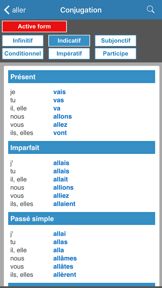
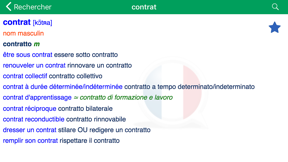
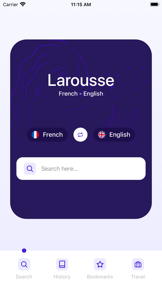
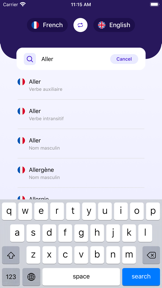
 Dictionnaire Larousse français
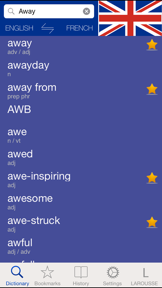


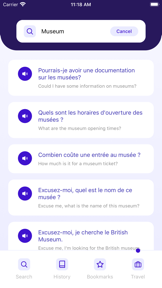


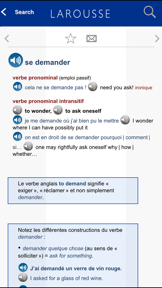






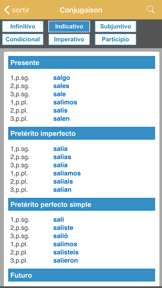


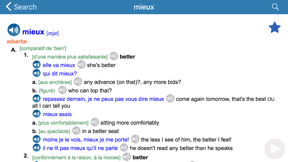
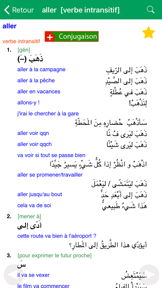


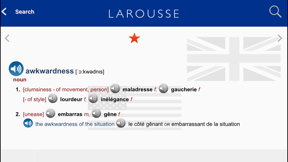


Snapshot
Who is Editions Larousse?
Providing authoritative French linguistic and reference tools for students, professionals, and language learners worldwide.
Target audience


Portfolio
Free 1Last updated

Dictionnaire Larousse français
v3.3
12mo ago
Publisher DNA
What defines Editions Larousse?
Publisher DNA
Primary focus
French language reference and bilingual dictionaries
Scale
studio
Target audience
French language learners, students, and professionals requiring offline-capable, high-authority linguistic resources.
Portfolio momentum
Released 1 update in the last 6 months with only 2 of 14 apps currently active, indicating a focus on maintaining core legacy titles.
Portfolio
What does Editions Larousse ship?
Apps
17 apps analysed

Analysis in progress


Analysis in progress


Distributed across 12 markets, strongest in Europe.
Based on 4 of 17 apps with localized market data, more coverage rolling in as scans complete · last scanned .
Americas (3)
- United States4 / 4
- Brazil1 / 4
- Mexico1 / 4
Europe (7)
- Italy2 / 4
- France1 / 4
- Germany1 / 4
- Netherlands1 / 4
- Portugal1 / 4
›+2 more europe markets
- Spain1 / 4
- Sweden1 / 4
Asia-Pacific (2)
- Japan1 / 4
- South Korea1 / 4
Core markets (4/4 apps)
User Sentiment
How do users feel about their apps?
0
Positive apps
0
Neutral / mixed
1
Negative apps
25/100
Avg sentiment score

Rivals
Who does Editions Larousse compete with?
The rivals identified
Nemeses(5)

Dictionary Linguee competes by offering a free, high-volume bilingual reference tool that covers the same French-English language pair as the Larousse app. Its massive user base and multi-language support create a direct substitution threat for users seeking a free, highly-rated reference resource.


It competes for the same language learner audience by providing a massive English reference library.


Both apps target French language learners with offline-capable reference tools, creating direct competition for users seeking vocabulary and grammar support.


Dictionary. aggregates multiple publishers into one interface, serving as a high-volume alternative to the specialized Larousse content.


Both apps target language learners and students, competing for the same user base through French-German translation utility and linguistic reference tools.
Contenders(40)


Targets users needing a lightweight, offline bilingual translation tool for German and French language pairs.


Both apps target language learners and travelers with offline-first translation tools, creating direct competition for users seeking reliable linguistic support without connectivity.


It directly competes for the French-speaking market by providing a professional-grade, offline-accessible dictionary.


Both apps target French-speaking students and language learners, competing for the same user base seeking linguistic reference tools.


Both applications target French language learners and professionals, competing for the same user base seeking dictionary references. They overlap in their core utility as linguistic lookup tools.


This app offers a lightweight, offline-capable alternative for basic French-English translation needs.


The rival competes for the same language-learning audience by offering a free, high-volume dictionary that covers 700,000 words. It directly challenges the paid model of Dictionnaire Français-Espagnol by providing a broader lexicon and additional gamified learning features.


Both applications target language learners and professionals with bilingual translation and verb conjugation tools, creating direct competition for the same user base.


Both apps target the French language reference market, though they serve distinct linguistic needs: modern French-Spanish translation versus historical French vocabulary research.


Both apps target French language learners, creating a direct conflict for users choosing between a general-purpose dictionary and a specialized conjugation tool.


This app targets the same scholarly audience with authoritative reference tools and gamified vocabulary enrichment.


This utility provides a large-scale verb database that serves as a practice-oriented alternative to general dictionary apps.


Ultralingua competes for the same language learner audience by offering a free, multi-language dictionary platform that includes verb conjugations and advanced search, directly challenging the paid Larousse dictionary model.


Both apps provide offline dictionary functionality for Arabic, targeting users who require language reference tools without an active internet connection.


Both apps compete for French language users by providing authoritative linguistic references, creating overlap for students and researchers seeking dictionary access.


Both apps target French language learners, with Conjugaison Française providing specialized verb conjugation tools that overlap with the linguistic reference features of Dictionnaire Junior Larousse.


Both apps target language learners seeking offline reference tools, creating direct competition for users prioritizing reliable, non-network-dependent dictionary access.


This app serves as a broader linguistic reference for users who require more than just French-English translations.


Acts as a basic, free-to-use utility for users who need simple bidirectional word lookups without advanced linguistic notes.


known for Je Parle ESPAGNOL - Apprendre l'espagnol guide de conversation Français Espagnol gratuitement cours pour débutants
Both apps target French speakers requiring Spanish language tools without internet access, creating direct competition for the travel and study utility segment.


Both apps target users requiring offline French-Italian translation, creating direct competition for the same linguistic utility.


Both apps target language learners and students with offline-first reference tools, creating direct competition for users seeking reliable dictionary access without connectivity requirements.


Targets learners with flashcards and sentence analysis tools, though it suffers from poor user reception.


Both applications serve users requiring French-English translation, though they target distinct segments through either professional-grade linguistic depth or casual, everyday vocabulary needs.


Both apps compete for the same paid reference tool market, targeting language learners who require digital dictionary access for educational purposes.


Both apps target language learners requiring French-German translation, but the rival offers a free, multi-language dictionary while the target provides a specialized, paid offline reference tool.


Users report: Both apps target the educational reference market for children, competing for time spent on vocabulary acquisition and language learning.


Both applications target language students and learners by providing French-English reference tools. They compete directly for users seeking portable linguistic resources.


Both apps target students and professionals requiring offline-capable reference tools, creating direct competition for users prioritizing portability and connectivity-independent access.


Both apps target language learners requiring offline access to Arabic translation tools, creating direct competition for users seeking reliable reference utilities.


Both applications target French-English bilingual users, with the rival offering a free, lightweight alternative to the paid, professional-grade Larousse reference tool.


Both apps provide French-English translation services, with the rival targeting casual users through a free, dialect-focused model while the target app serves professionals with an extensive, paid lexicon.


Both apps target French-English translation users with paid, offline-capable dictionary tools that serve as primary linguistic references.


Both apps serve travelers and language learners as offline-first reference tools for Spanish vocabulary. They compete directly for users prioritizing connectivity-independent access to linguistic data.


Both apps serve the bilingual reference market, targeting students and professionals who require offline access to extensive linguistic databases.


Both apps target language learners and students requiring French-German translation, creating direct competition for the same user base despite different pricing models.


Both applications target language learners seeking French-Italian translation and grammar tools, competing for the same user base through overlapping linguistic reference features.


Both applications target language learners requiring offline reference tools, creating direct competition for users seeking reliable French linguistic resources.


Both apps target language learners and travelers with offline-first translation tools, creating direct competition for users prioritizing connectivity-independent reference.


Both applications target users seeking French-English translation, competing directly for space on the user device despite differing in lexicon depth and pricing models.
Same space(21)


Serves as a basic, free offline utility for users needing a simple French dictionary without connectivity.


This app offers a specialized, ad-free verb conjugation utility that serves as a focused supplement to general dictionaries.


Provides a broad translation and learning suite that includes photo-based translation for real-world document processing.


Provides a specialized scientific lexicon for users who have advanced beyond general dictionary needs.


Targets learners with flashcards and sentence analysis tools, though it suffers from poor user reception.


Users interested in language reference may use this for its advanced linguistic guides and etymological discovery features.


This app serves as a comprehensive grammar guide for students needing structured lessons beyond simple dictionary lookups.


This serves as a general translation utility for users who need quick French-English lookups rather than deep dictionary content.


This app complements the Arabic reference space by providing audio-based study tools for the same target demographic.


Targets beginners needing a simple, intuitive tool to break down language barriers during initial study.


This app provides a multi-language verb conjugation tool that aids users in learning Italian alongside other languages.


Provides a static, offline-first reference tool for users who prefer unchanging content over active software updates.


Offers a free, offline-capable alternative for the same language-learning audience.


Targets the same early-learner demographic as Larousse but focuses on vocabulary acquisition through games and images.


Targets students with text-to-speech technology for pronunciation practice in an offline-capable format.


This app targets the same travel-focused demographic as the source app but adds visual translation tools for printed text.


This app targets travelers and business users by offering an audio-based learning experience for Italian language basics.


Focuses on audio-centric learning by allowing users to customize voice accents and playback speeds.


This keyboard utility complements the source app by providing an input method for German characters rather than serving as a reference dictionary.


This app addresses the travel-specific needs of the same user base by prioritizing essential phrases over comprehensive dictionary definitions.


Functions as a general translator rather than a deep linguistic reference tool, appealing to users needing quick sentence translation.
New entrants(2)


Acts as an interactive homework assistant that guides students through exercises rather than providing direct answers.


Complements the Larousse reference tool by providing active spelling and grammar practice through audio dictation.
Frequently asked questions
How many apps does Editions Larousse publish?
What kind of apps does Editions Larousse make?
What is Editions Larousse's top app?
In how many countries are Editions Larousse's apps available?
What fed this analysis
- Apps analyzed:
- 14
- With full intel:
- 0
- With overview:
- 14
- Website scraped:
- yes
- Social presence:
- yes
