


Ultralingua
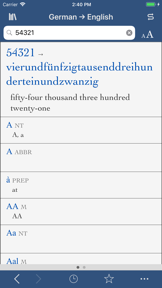
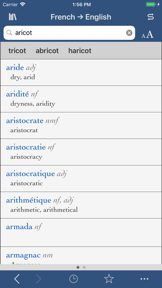
For serious language students, professional translators, and travelers requiring high-precision linguistic resources without internet dependency.
 Collins-Robert Concise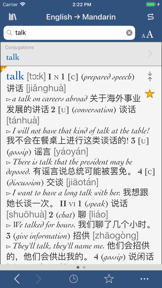
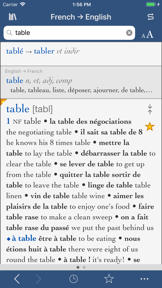


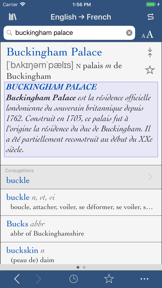

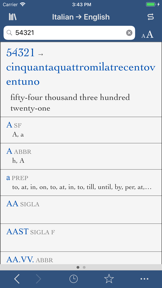
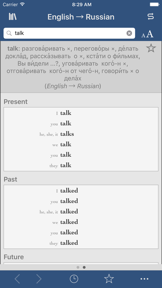


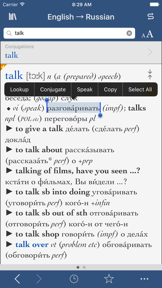
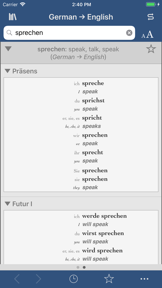
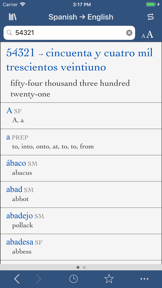
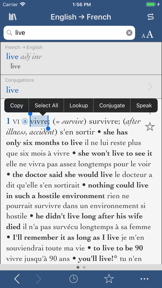

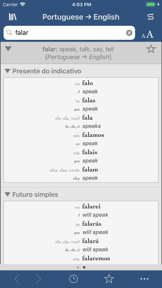
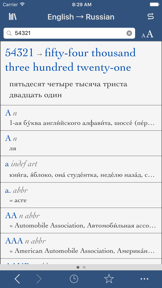

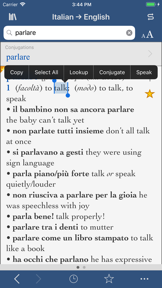


Snapshot
Who is Ultralingua?
Providing professional-grade, offline linguistic reference tools for serious language learners and translators.
Target audience


Portfolio
Free 2Last updated

Collins-Robert Concise
v2.11.1
2.1y ago
Publisher DNA
What defines Ultralingua?
Publisher DNA
Primary focus
Professional offline translation dictionaries
Scale
indie
Target audience
Serious language students, professional translators, and travelers requiring high-precision linguistic resources without internet dependency.
Signature Patterns
- •Strict adherence to a one-time paid monetization model
- •Heavy reliance on licensed content from authoritative sources like Collins
- •Core value proposition centered on 100% offline functionality
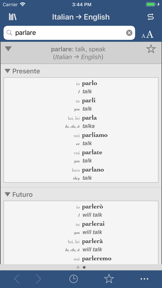
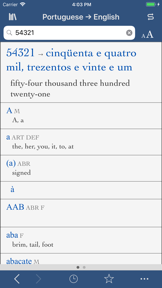
- •Inclusion of advanced linguistic tools such as verb conjugation and number translation across all titles
Portfolio momentum
No updates have been released across the 5-app portfolio in the last 6 months, indicating a shift away from active development toward a legacy maintenance phase.
Portfolio
What does Ultralingua ship?
Apps
34 apps analysed

Analysis in progress

Analysis in progress


Analysis in progress

Offline-first architecture removes connectivity dependency for travelers
- Offline access to extensive language databases provides reliable utility for travelers and students
- Interface design choices create friction during frequent search and navigation tasks
Distributed across 8 markets, strongest in Europe.
Based on 12 of 34 apps with localized market data, more coverage rolling in as scans complete · last scanned .
Americas (3)
- Brazil12 / 12
- Mexico12 / 12
- United States12 / 12
Europe (5)
- France12 / 12
- Germany12 / 12
- Italy12 / 12
- Portugal12 / 12
- Spain12 / 12
Core markets (12/12 apps)
User Sentiment
How do users feel about their apps?
1
Positive apps
0
Neutral / mixed
0
Negative apps
75/100
Avg sentiment score
Rivals
Who does Ultralingua compete with?
The rivals identified
Nemeses(3)

This app serves as a multi-language reference alternative for users who prioritize breadth over the specialized Spanish-English focus of Collins.


This app dominates the reference category through massive scale and high-utility features like OCR, directly competing for the same offline-first dictionary user base.


Both target language learners and professionals seeking Spanish-English translation tools, though they diverge sharply in monetization, with Collins relying on a high one-time fee and Reverso using a freemium subscription model.
Contenders(17)


This app competes for the same academic and professional user base by offering massive English-language definitions and editorial content.


Both apps target users needing offline bilingual dictionaries, but Linguee provides a free alternative to the $17.99 upfront cost of Collins Spanish-English.


Targets learners needing a free, multi-functional resource that combines dictionary definitions with verb conjugations and audio.


Both apps target language students and travelers requiring offline reference tools, creating a functional overlap for users seeking reliable linguistic resources on mobile devices.


Both apps target students needing bilingual translation, competing directly on the core Spanish-English dictionary function despite opposite pricing models.


Both apps target language learners and students requiring authoritative, offline dictionary reference tools, though Cambridge focuses on monolingual English exam prep while Collins provides bilingual Spanish-English translation.


Both apps target Spanish language students and professionals, but they diverge in utility: Collins provides broad bilingual reference, while the rival specializes in interactive verb conjugation testing.


Both apps target language learners and travelers with offline-first bilingual dictionaries, creating direct competition for users seeking reliable mobile linguistic references.


This app targets the same offline-dictionary utility segment, focusing on core search functionality for language learners.


Both apps target the bilingual dictionary market by providing offline translation and pronunciation tools for French-English learners.


Both apps target students and professionals seeking offline reference tools, though they serve adjacent use cases with the rival focusing on English definitions and Collins on bilingual translation.


It competes by offering a deep, conceptual thesaurus and extensive database that appeals to the same academic and professional reference audience.


This app leverages authoritative Longman data to compete directly with the target's high-quality HarperCollins content.


It competes by offering advanced lookup methods and sentence analysis tools that cater to power users of language reference apps.


Both apps target language learners seeking authoritative reference tools, though they serve entirely different language pairs.


Both apps target mobile users needing offline language reference tools, though they serve different specific needs with bilingual translation versus monolingual definitions.


Dict Box competes directly for offline Spanish-English translation users by offering a free entry tier and browser integration, contrasting with the $17.99 upfront cost of Collins.
Same space(21)


Competes by offering a comprehensive, offline-capable suite that includes study tools and phrasebooks for academic and travel contexts.


Offers a comprehensive verb reference tool with pronunciation guides to aid memorization.


It occupies the same education category, targeting users who need structured, offline-accessible language learning resources.


Provides a study-focused tool with features like flashcards to assist in vocabulary retention.


Targets the professional-grade reference market with deep linguistic content, though it struggles with technical stability.


Targets learners needing a free, multi-functional resource that combines dictionary definitions with verb conjugations and audio.


While focused on assessment rather than reference, it captures the same audience of English learners seeking formal certification.


Combines two major reference works into one application, appealing to users who want a consolidated, high-quality English language resource.


Provides a lightweight, ad-supported alternative for users prioritizing portability and immediate access to basic translations.


Leverages the extensive TLFi database to provide a professional-grade reference tool for serious linguists and students.


Specializes in verb conjugation for learners, offering a narrower but deeper focus than general-purpose dictionaries.


Provides a straightforward bidirectional translation tool with a focus on travel and learning.


Serves users needing multi-language support and community-driven accuracy improvements beyond the single-language focus of Collins.


This app targets the same bilingual demographic by providing side-by-side text display for language learning and spiritual study.


Provides a simple, offline dictionary for quick translation needs.


Focuses on simple, fast translation for users who prioritize ease of use over deep linguistic data.


It competes for the learner's time by offering AI-driven conversational practice, shifting the focus from static reference to active usage.


Focuses on modern translation needs like voice and photo processing rather than traditional dictionary reference.


This app serves the same demographic of international language students, focusing on the logistical side of their learning journey.


Uses a drill-based methodology to help students master verb conjugations through active practice.


Serves as a general-purpose translation tool with dictionary-like features for word and sentence lookups.
New entrants(2)


This newcomer disrupts the space by using AI to focus on the phonetic and pronunciation aspects of language learning.


It enters the market with an AI-first approach to tutoring, challenging static reference apps with personalized, interactive feedback.
The Analyst's Read
The bottom line on Ultralingua
Bottom line
Ultralingua is a specialized publisher that has successfully monetized high-intent professional users through authoritative content and offline reliability. While their products maintain high user satisfaction, the lack of recent development activity suggests the portfolio is in a harvest or maintenance phase.
Frequently asked questions
How many apps does Ultralingua publish?
What kind of apps does Ultralingua make?
What is Ultralingua's top app?
In how many countries are Ultralingua's apps available?
What fed this analysis
- Apps analyzed:
- 5
- With full intel:
- 1
- With overview:
- 5
- Website scraped:
- yes
- Social presence:
- no
