


Gro Play
For parents, caregivers, and K-6 educators seeking play-based learning tools focused on environmental awareness and social responsibility.
 Beep beep Alfie Atkins - Kids
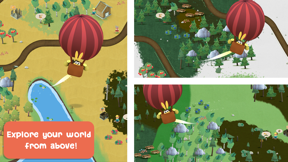


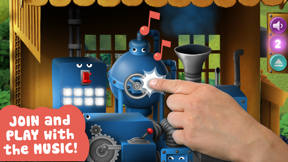


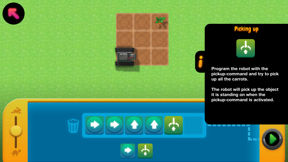


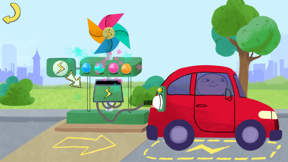


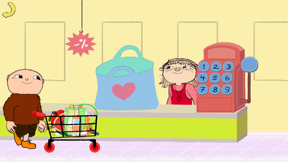

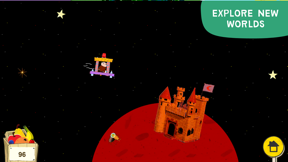


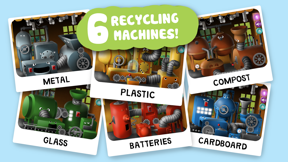



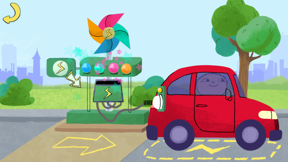



Snapshot
Who is Gro Play?
Empowering children to explore sustainability and wellbeing through play-based educational experiences.
Target audience


Portfolio
Free 11Last updated

Beep beep Alfie Atkins - Kids
v1.3.4
1.1y ago
Publisher DNA
What defines Gro Play?
Publisher DNA
Primary focus
Children's educational apps · Sustainability & STEAM
Scale
indie
Target audience
Parents, caregivers, and K-6 educators seeking play-based learning tools focused on environmental awareness and social responsibility.
Origin
A Swedish developer focused on creating 'Good Game' experiences that inspire families to learn about sustainable living.
Signature Patterns
- •Heavy emphasis on environmental and sustainability themes
- •Integration of interactive machinery and sorting mechanics to teach complex cycles
- •Utilization of recognizable Scandinavian literary characters and IP
- •Monetization via a free-to-play model targeted at educational use
Portfolio momentum
The publisher has recorded zero releases or updates across their portfolio in the last six months.
Company profile
low confidence- Headquarters
- Sweden
Portfolio
What does Gro Play ship?
Apps
19 apps analysed

A platforming adventure with Bamse and friends, filled with learning and fun!


Analysis in progress

Beep beep! Welcome to the wonderful world of Alfie Atkins & friends!


Beep, beep! Welcome to the wonderful world of Alfie Atkins & friends.


Analysis in progress

Create, play, and explore a world filled with small surprises and events!


Analysis in progress

Analysis in progress
Distributed across 6 markets, strongest in Europe.
Based on 5 of 19 apps with localized market data, more coverage rolling in as scans complete · last scanned .
Americas (2)
- United States5 / 5
- Mexico2 / 5
Europe (4)
- Sweden5 / 5
- Germany4 / 5
- Spain2 / 5
- France1 / 5
Core markets (5/5 apps)
User Sentiment
How do users feel about their apps?
1
Positive apps
1
Neutral / mixed
0
Negative apps
73/100
Avg sentiment score

Unlock the app dragging this portfolio down.
Access the full report for freeRivals
Who does Gro Play compete with?
The rivals identified
Nemeses(2)

Both apps target the 3 to 6 age demographic with phonics and letter-tracing mechanics, competing for the same parent-driven early education market share.


Both apps target the early childhood education segment with free models, competing for the same preschool-aged user base through interactive alphabet learning mechanics.
Contenders(14)


ABCmouse serves the same 2-8 year old demographic with a massive, research-based curriculum that dwarfs the content volume of Alfie Atkins.


Both apps compete for the same home-learning time slot by providing educational literacy content for young children. They overlap directly in the early childhood education category, targeting parents who seek to replace passive screen time with structured learning.


Both apps target the early literacy market by offering free alphabet tracing tools for preschool-aged children.


Both apps compete for the preschool early learning segment by providing vocabulary and language development tools at no cost.


Both apps target the early-childhood literacy market, competing for parents seeking handwriting and phonics tools for children aged 3 to 9.


Both apps target the same early childhood literacy demographic and utilize letter tracing as a core pedagogical mechanism for toddlers and preschoolers.


Both apps target early language learners through alphabet tracing and letter recognition features. They compete for the same preschool and early education audience seeking foundational literacy tools.


Both apps target early childhood literacy through interactive letter tracing and phonics, competing for the same preschool-aged user base.


Both apps compete for the preschool literacy market by offering free, interactive letter-tracing and phonics activities for young children.


Both apps target the preschool literacy segment with alphabet tracing, competing for parents seeking digital early-writing tools for home use.


Both apps compete for the same preschool alphabet learning segment using a free pricing model, forcing parents to choose between teacher-designed curricula and customizable, photo-based learning environments.


Both apps target the preschool alphabet-tracing market with free-to-play models, competing for the same parent and educator user base.


Both apps target the preschool literacy segment through letter tracing and phonics, competing for the same parent-user base seeking early education tools.

known for ABCs Kids Alphabet Handwriting & Letter Tracing ZBP - School Letter Tracing Game
Both apps target the preschool alphabet learning segment, competing for users seeking early literacy and handwriting practice tools.
Same space(33)


Montessori Preschool targets the same parent demographic seeking ad-free, structured learning but offers a much larger library of content.


Reading Eggs serves the same literacy-focused audience but offers a significantly wider age range, covering toddlers through early teens.


Speech Blubs targets the same developmental age range but focuses on voice-interactive speech therapy rather than the general literacy and creative play found in Alfie Atkins.


Duolingo ABC targets the same early literacy market but operates as a 100% free, ad-free brand extension that prioritizes accessibility over monetization.


Hooked on Phonics Learning competes for the same literacy-focused parents but leverages a 35-year brand history and physical materials to differentiate from digital-only tools.


Jolly Phonics shares the same phonics-based literacy focus as Alfie Atkins but relies on a specific, teacher-trusted pedagogical program.


It competes for the same preschool user base by offering a free, standards-aligned curriculum that contrasts with the paid, premium model of Alfie Atkins.


Kiddopia targets the same 2-7 age range but utilizes licensed IP to attract users into a high-friction, subscription-only environment.


Lingokids competes for the same preschool audience by using high-value IP partnerships to drive engagement within a subscription-based model.


Buddy.ai competes for the same 3-8 year old demographic but replaces static literacy games with a conversational AI tutor to drive language acquisition.


PBS KIDS Games serves the same early childhood audience but uses a non-monetized public media model that prioritizes brand affinity over the subscription-based revenue model of Alfie Atkins.


Sago Mini World occupies the same preschool space but uses a digital toy box approach to creative play instead of the phonics-based literacy focus of Alfie Atkins.


Pok Pok shares the same Montessori-inspired philosophy as Alfie Atkins but emphasizes a non-overstimulating, open-ended digital playroom experience.


Splash Reading targets the same elementary literacy goals but uses a game-based approach to cover a broader grade range than Alfie Atkins.


Reading.com targets the same parent-child literacy goal but shifts the pedagogical burden to the parent through a scripted, co-play instructional model.


Targets parents seeking a speech-first phonics curriculum that requires active verbal participation from the child.


It captures the same toddler-education segment by providing an ad-free, offline-capable sandbox for independent play.


Provides supplementary spelling practice for the same age group through mini-games and campaign modes.


Provides a legacy phonics curriculum for early readers that competes in the same foundational literacy space.


Archive Learning serves a different audience but uses a similar card-based review mechanism to help users retain vocabulary from reading materials.


Ello 2.0 competes for the same literacy-focused parents but uses real-time AI listening to adjust lessons based on speech mistakes.


Ello 2.0 competes for the same literacy-focused parents but uses real-time AI listening to adjust lessons based on speech mistakes.

known for Kids vs Phonics - Help Your Kids Learn to Read
Uses a 4-step phonics method to teach reading to children aged 3-5.


Targets the same early literacy age group but focuses on French language acquisition through a thematic interface.


Focuses on vocabulary and spelling acquisition through interactive drag-and-drop mechanics for early learners.


It targets the same preschool age range but focuses on open-ended role-play rather than structured literacy.


Offers a non-gamified, evidence-based phonics alternative for early learners seeking a calm environment.


Targets the same preschool audience with a task-oriented game design to build English vocabulary.


It serves a similar educational niche by using AI to evaluate user performance in real-time.


Engages the same pre-k audience through story-based learning paths that provide academic justification for screen time.


Provides a spelling-focused adventure for early learners with multiple difficulty modes.


Provides a research-based, multisensory curriculum for emerging readers as a non-profit alternative.


Uses gamified phonics instruction to build literacy skills for the same early-learner demographic.
The Analyst's Read
The bottom line on Gro Play
Bottom line
Gro Play is a niche educational studio that has successfully aligned its brand with sustainability, though its current lack of update velocity suggests a shift toward institutional services or maintenance of existing IP.
Frequently asked questions
How many apps does Gro Play publish?
Where is Gro Play based?
What kind of apps does Gro Play make?
What is Gro Play's top app?
In how many countries are Gro Play's apps available?
What fed this analysis
- Apps analyzed:
- 1
- With full intel:
- 0
- With overview:
- 1
- Website scraped:
- yes
- Social presence:
- yes
