


Little 10 Robot
For preschool and toddler-aged children, with parents and caregivers serving as the primary purchasers and facilitators.
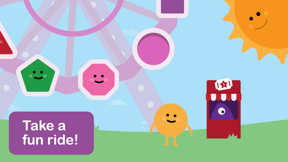
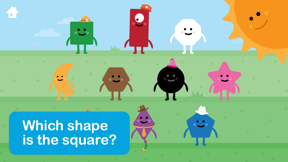
 TallyTots Counting 123 Game

























Snapshot
Who is Little 10 Robot?
Developing educational apps that gamify early childhood learning. Providing interactive tools for parents and educators to teach core skills.
Target audience


Portfolio
Last updated

TallyTots Counting 123 Game
v4.1
1.1y ago
Publisher DNA
What defines Little 10 Robot?
Publisher DNA
Primary focus
Children's educational apps
Scale
studio
Target audience
Preschool and toddler-aged children, with parents and caregivers serving as the primary purchasers and facilitators.
Origin
Founded by Matt Hutton and Mason Hutton, the studio focuses on creating interactive, wind-up style digital toys and learning tools.
Signature Patterns
- •Strictly paid pricing model with no in-app purchases or third-party advertisements.
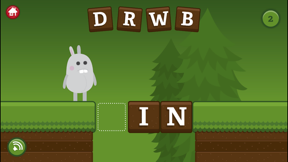
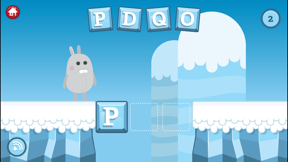
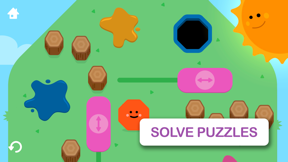
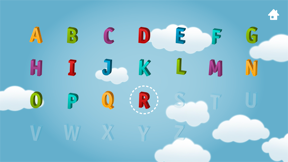
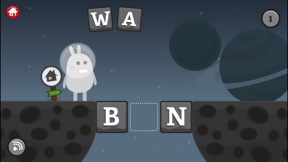
- •Focus on mini-game suites to teach foundational skills like counting, alphabet, and logic.
- •Emphasis on offline functionality for uninterrupted child-focused play.
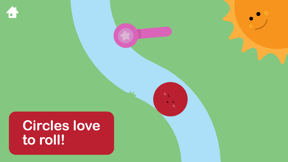
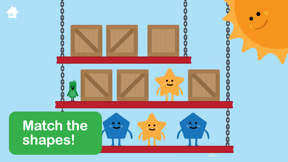
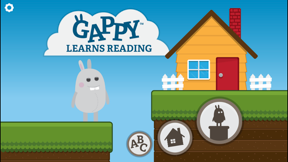
- •Cartoon-based visual style consistent across the educational catalog.
Portfolio momentum
With zero releases in the last six months and ten out of sixteen apps classified as abandoned, the publisher is currently in a maintenance phase for its legacy catalog.
Portfolio
What does Little 10 Robot ship?
Apps
17 apps analysed

Gold standard reputation sustains organic discovery despite limited marketing
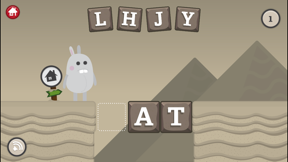
- Phonics-based action puzzles create a focused pedagogical barrier for early-stage literacy


Strategy-based learning builds conceptual math skills
- Narrative-driven 'math hike' increases child engagement


Premium, ad-free model removes distraction for young users
- Interactive letter tracing mechanics provide an effective and engaging way for young children to learn writing
- Occasional technical failures prevent the application from loading past the initial screen for some users
Single-market publisher, every app ships only to United States.
Based on 1 of 17 apps with localized market data, more coverage rolling in as scans complete · last scanned .
Americas (1)
- United States1 / 1
Core markets (1/1 apps)
User Sentiment
How do users feel about their apps?
1
Positive apps
0
Neutral / mixed
0
Negative apps
88/100
Avg sentiment score
Rivals
Who does Little 10 Robot compete with?
The rivals identified
Nemeses(4)

This app directly competes for the same early-elementary demographic by offering a broad suite of arithmetic exercises that mirror the core educational goals of Calcugators.


Both apps target the preschool and toddler demographic, competing for parents seeking educational screen-time alternatives through interactive, curriculum-based content.


Both apps compete for the same parent-purchaser demographic seeking educational screen time for children aged 2 to 8.


Studycat competes for the same early-childhood education market by utilizing gamified language immersion, directly challenging Gappy’s focus on foundational literacy skills.
Contenders(24)


Both apps compete for the preschool literacy market, but the rival captures a broader audience by bundling numbers, shapes, and colors into a freemium model that lowers the barrier to entry.


Both apps target the preschool demographic with offline-capable, ad-free educational content, creating direct competition for parents seeking unsupervised screen time.


Both apps target the preschool demographic with puzzle-based educational content, creating direct competition for parental attention and device screen time.


Shares the same animal-themed alphabet learning focus but adds grooming and feeding activities to increase engagement.


This app targets the same primary education segment but focuses on visual multiplication and division strategies.


A new competitor specifically targeting the foundational arithmetic skills that Calcugators addresses.


Lingo Joy targets the same early-learning demographic with modern, AI-driven features that contrast with Gappy's traditional tracing mechanics.


Both apps compete for the preschool education market by targeting parents seeking early literacy and math tools for children aged 3 to 7.


Both apps target the preschool demographic with educational content focused on foundational cognitive skills like shapes and patterns.


Both apps target the preschool literacy market, but the rival captures users through a broad, freemium curriculum while AlphaTots relies on a focused, one-time purchase model.


ABC Dinos is a direct functional competitor that uses narrative-driven gameplay to teach the same literacy skills as Gappy.


It shares the same activity-based learning model, positioning itself as a foundational tool for early childhood vocabulary development.


Edudi competes by offering a broad, all-in-one curriculum for ages 2–7, directly challenging the narrow phonics focus of AlphaTots with a free, high-volume content library.


While focused on time, it competes for the same 'educational screen time' budget and shares a similar gamified learning philosophy.


BrainFights competes for the same mental arithmetic training audience through gamified progression.


Both apps target the preschool demographic, creating direct competition for parents seeking foundational geometry and cognitive skill development.


Kiddle Pass captures the same parent-purchaser audience by offering a library of curated, live educational experiences.

known for Kindergarten Math Games: Kids
This app targets the same early-learning demographic with a focus on curated educational activities and a premium, ad-free environment.


This app competes for the attention of the same young demographic by offering structured educational content in a gamified format.


This app is a direct competitor in the gamified education space, utilizing a similar 'quest' structure to teach math concepts.


Both apps target the same preschool literacy demographic with phonics-based activities, creating direct competition for parents choosing between a paid, focused tool and a free, gamified alternative.

known for
Talkable competes for the attention of parents seeking structured, play-based educational outcomes for their toddlers.


Both apps target the preschool literacy market, but the rival captures a broader audience by including numbers and vocabulary alongside alphabet learning. The free-to-play model of the rival creates a direct barrier to entry for the paid model of AlphaTots.


Naukado competes by positioning itself as a modern, AI-driven study companion that targets the same educational market with advanced technology.
Same space(29)


This app occupies the same educational utility space by providing step-by-step solutions to math problems.


This app addresses the same 3-8 age group with a structured curriculum, though it emphasizes literacy over geometric foundations.


This app targets the same preschool demographic but uses conversational speech technology to teach literacy and STEM concepts.


Uses a zoo theme to teach preschool concepts like colors and counting, similar to the animal-based learning in the source app.

known for MentalUP - Kids Learning Games
Expands the preschool learning scope to include IQ tests and fitness exercises for a wider age range.


Provides a broad package of alphabet and math basics for toddlers, mirroring the foundational goals of the source app.


Focuses on early math and logic through fruit and vegetable characters, targeting the same pre-kindergarten developmental stage.


It uses popular IP to capture the same early-learning audience, competing for screen time through simple, repetitive mechanics.


This app serves the older end of the math education spectrum, competing for students who have outgrown basic arithmetic games.


This app competes in the educational space by offering curriculum-aligned quizzes and gamification for young learners.


This app serves the same educational purpose as Gappy but focuses on the Spanish-speaking market with physical-digital integration.


This app is a direct functional peer, focusing specifically on addition practice through a gamified interface.


It provides a simulation-based alternative for the same preschool audience, focusing on interactive cooking rather than shape recognition.


Uses a camera-based approach to teach phonics, turning real-world objects into learning content for the same age group.


It targets the same preschool to first-grade audience with logic and math problems to supplement early education.


Replaces static alphabet puzzles with conversational AI, targeting the same preschool literacy market through a high-friction subscription model.


This app targets the same parenting demographic by offering a 'digital toy' experience that includes educational modules.


Offers a free, curriculum-aligned alternative to paid alphabet games, though it lacks the offline play found in other educational tools.


Functions as a digital toy box for the same preschool age group, using a subscription model to curate a safe play environment.


This app targets the same 2-8 age range with a subscription bundle of legacy titles, competing for the same parent wallet.


Offers a non-overstimulating alternative to the action-verb puzzles in the source app by focusing on open-ended digital play.


While more advanced, it competes in the broader educational category for users seeking math-based reference tools.


Focuses on cognitive development through alphabet and animal puzzles, serving the same early childhood education niche.


Combines educational TV shows with phonics lessons to provide a broader multimedia learning experience for preschoolers.


This app uses animal-themed activities to teach foundational skills like literacy and numeracy to the same toddler and preschool audience.


This app shares the goal of teaching math through interactive, game-based experiences for children.


This app shares the same educational category and focus on interactive, visual-based learning for young children.


Provides an adaptive, curriculum-aligned learning path that extends beyond the alphabet into math and reading for older children.


It offers a creative sandbox for the same age group, focusing on open-ended roleplay rather than structured geometry lessons.
New entrants(4)


A new entrant in the education category that focuses on specialized geometric calculations.


Phonixo reader is a new competitor focused on phonics and word building, directly overlapping with Gappy's literacy goals.


Targets the same preschool age group with an ad-free, privacy-first model that removes in-app purchases.


Charlie AI is a new entrant using AI-driven adaptation to provide a structured learning path for young children.
The Analyst's Read
The bottom line on Little 10 Robot
Bottom line
Little 10 Robot is a legacy studio with a strong reputation for high-quality, safe educational content for children. Their future viability depends on whether they choose to refresh their aging catalog or continue operating as a boutique provider of evergreen educational tools.
Frequently asked questions
How many apps does Little 10 Robot publish?
What kind of apps does Little 10 Robot make?
What is Little 10 Robot's top app?
In how many countries are Little 10 Robot's apps available?
What fed this analysis
- Apps analyzed:
- 16
- With full intel:
- 0
- With overview:
- 16
- Website scraped:
- yes
- Social presence:
- yes
