Little Bit Studio
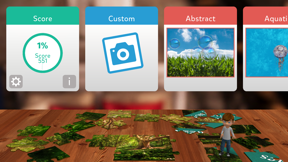
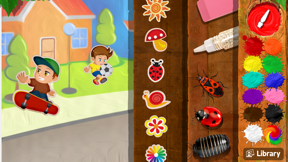
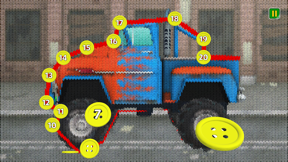
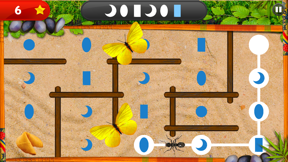
For parents and caregivers seeking ad-free, interactive educational content for children aged 3-6, alongside a broad demographic of casual word-puzzle players.
 Atomic Hangman





































Snapshot
Who is Little Bit Studio?
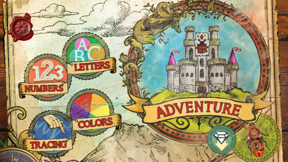
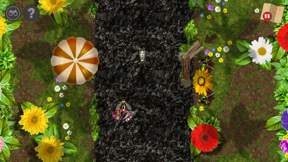
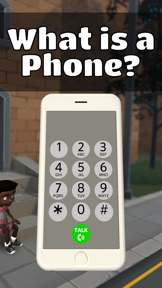
Providing interactive educational experiences for children through motor-skill-based activities. Balancing early learning tools with casual word-puzzle entertainment.
Target audience


Portfolio
Free 3Last updated

Atomic Hangman
v6.0.60
11mo ago
Publisher DNA
What defines Little Bit Studio?
Publisher DNA
Primary focus
Children's education apps and casual word puzzles
Scale
studio
Target audience
Parents and caregivers seeking ad-free, interactive educational content for children aged 3-6, alongside a broad demographic of casual word-puzzle players.
Signature Patterns
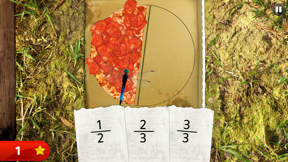
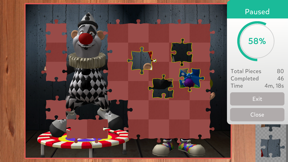
- •Strong reliance on tactile inputs like tilt, pinch, and drag for educational activities.
- •Strict separation of monetization models: paid-upfront for education, freemium with ads for games.
- •Consistent focus on preschool-aged curriculum including counting, patterns, and motor skills.
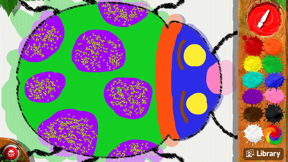
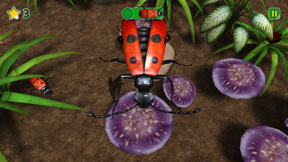
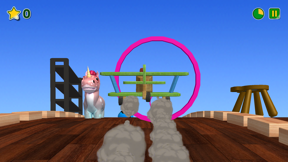
- •Visual style characterized by original graphics and animated bug-themed characters.
Portfolio momentum
With only one release in the last six months and a portfolio heavily weighted toward older educational titles, the studio operates primarily in a maintenance capacity.
Portfolio
What does Little Bit Studio ship?
Apps
12 apps analysed
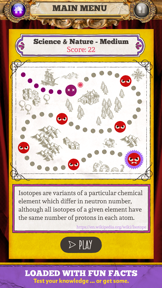
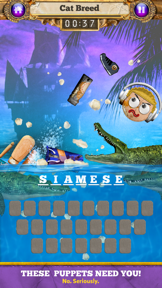
Enjoy word puzzles in hangman game! Guess the secret words and play battles!
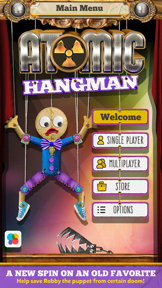
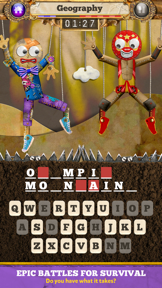

Battle Mode meta-progression increases session duration
- Educational word puzzles improve vocabulary and cognitive skills for players of all age groups
- Excessive ad frequency disrupts the flow of gameplay and causes frustration during active sessions


User Sentiment
How do users feel about their apps?
1
Positive apps
0
Neutral / mixed
0
Negative apps
72/100
Avg sentiment score
Rivals
Who does Little Bit Studio compete with?
The rivals identified
Nemeses(3)


Users report: Both apps target children aged 4 to 6 with interactive educational content, competing for the same parent-driven screen time budget.


Both apps target the 3-6 age demographic with paid math education content, creating direct competition for parents seeking foundational numeracy tools.


This is the only direct thematic rival in the pool that focuses exclusively on the classic hangman mechanic with a comparable, albeit larger, user base.
Contenders(12)


Both apps target the preschool demographic with educational games, creating a direct conflict for parents choosing between a one-time purchase model and a high-cost subscription service.


Both apps target the early childhood education segment with ad-free, curriculum-aligned content, creating direct competition for screen time among parents seeking safe digital environments for children aged 2 to 8.


Offers adaptive learning paths that compete with the self-leveling mechanics of the source app.


Both apps target the preschool demographic with bubble-themed educational activities, creating direct competition for parents seeking early learning tools.


Both apps target the preschool demographic with ad-free, curriculum-based educational content, competing directly for parents seeking unsupervised screen time for children aged 2 to 6.


Both apps target the early childhood education market with ad-free environments, competing for the same parent demographic seeking safe digital play for toddlers and preschoolers.


Both apps compete for the same parent demographic seeking supplemental educational content for children aged 4 to 6.


Both apps target the preschool demographic with interactive educational content, forcing a choice between a one-time purchase model and a subscription-based content library.


Both apps target the 3 to 6 year old demographic for foundational math education, creating direct competition for parents seeking early learning tools.


A direct thematic alternative that shares the hangman core loop while attempting to gamify the experience through a quest-based progression system.


Both apps target the 3 to 6 age demographic with early childhood curricula, creating direct competition for parents seeking educational screen time.


Both applications target the early childhood education market by providing foundational counting and math exercises for children aged three to six.
Same space(34)


Focuses on adaptive math learning, providing a more specialized academic path for the same age group.


Subscription-based curriculum competes for the same preschool audience by offering a broader range of educational activities.


Voice-based tutoring competes for the same screen time as creative apps by offering structured STEM learning.


Structured curriculum library provides a direct alternative for parents seeking educational content for early childhood development.


Digital library access serves as a primary educational resource for children, competing with creative apps for time spent on mobile devices.


Standards-aligned curriculum provides a free, non-profit alternative to paid creative apps for early childhood education.


Simple drawing practice for early development overlaps with the creative design focus of the source app.


Offers a daily, research-backed activity guide for parents, serving as a non-screen alternative to the interactive apps for children.


Provides parent-led activity suggestions for the same age demographic, focusing on bonding rather than independent screen play.


Uses popular characters to deliver educational content, competing for the same preschool attention span.


Provides a parent-facing developmental tool that tracks milestones, serving as a companion to the child-facing activities in Bugs and Bubbles.


Provides a basic flashcard-style learning environment for the same preschool audience as Bugs and Bubbles.


Targets parents of toddlers with guidance on emotional intelligence, acting as a support tool for the parents of Bugs and Bubbles users.


Focuses on sensory development for the youngest end of the preschool spectrum, contrasting with the active learning in Bugs and Bubbles.


A dominant player in the broader word-puzzle category that utilizes high-production value and frequent content updates to maintain engagement.


Provides a static bundle of educational games for the same age group, offering a similar ad-free experience to Bugs and Bubbles.


Offers a structured literacy curriculum that complements the general early learning activities in Bugs and Bubbles.


Provides a gamified vocabulary foundation for the same age group, though it relies on an ad-heavy model unlike the privacy-focused Bugs and Bubbles.


Interactive storytelling serves as a free alternative for children seeking engagement through animated content.


A massive, long-standing peer in the word-puzzle category that relies on visual association rather than letter-guessing mechanics.


Targets the same developmental stage but focuses on parent-led guidance rather than direct child-interactive play.


Provides a logic-focused alternative for the same age range, shifting from general early learning to specific puzzle-solving skills.


Camera-based insect identification provides utility for nature enthusiasts who might also enjoy creative insect design.


A major peer in the word-puzzle space that combines word-search mechanics with relaxing, nature-themed aesthetic progression.


Targets the same age group with a broader subscription-based hub of creative games rather than the focused, single-app experience of Bugs and Bubbles.


Targets the same age group with a focus on calm, open-ended play rather than structured learning.


Targets the same toddler demographic with simple identification tasks but lacks the modern, ad-free stability of Bugs and Bubbles.


Focuses on screen-conscious developmental activities, providing a direct alternative to the interactive screen time in Bugs and Bubbles.


Thematic worlds and educational games provide a structured learning environment for the same age range as the source app.


Uses globally recognized IP to capture the same early childhood audience through a massive content library.


AI-driven insect identification serves as a functional tool for users interested in biology and insect classification.


Physics-based puzzle mechanics directly overlap with the core interaction style used in the source app's racing features.


Puzzle-based learning provides an alternative intellectual challenge for children who enjoy the source app's interactive elements.


Offers a screen-free curriculum for the same age range, providing a structural alternative to the interactive activities in Bugs and Bubbles.
New entrants(3)


Digital art environment using AI effects competes with creative design apps by offering a professional-grade toolset for children.


An aggressive new entrant in the word-puzzle space with 25 releases in the last six months, signaling a massive push for market dominance.


Provides a library of developmental activities for families, acting as a resource for parents rather than a child-facing app.
The Analyst's Read
The bottom line on Little Bit Studio
Bottom line
Little Bit Studio is a bifurcated publisher that successfully leverages a high-traffic casual game to anchor their brand while maintaining a legacy of premium, ad-free educational software. Their long-term viability depends on whether they can modernize their aging educational catalog to compete with subscription-based learning platforms.
Frequently asked questions
How many apps does Little Bit Studio publish?
What kind of apps does Little Bit Studio make?
What is Little Bit Studio's top app?
What fed this analysis
- Apps analyzed:
- 12
- With full intel:
- 1
- With overview:
- 12
- Website scraped:
- yes
- Social presence:
- yes