


Nekki
For core mobile gamers and fighting game enthusiasts, alongside 3D animators and developers interested in physics-based motion tools.
 Shadow Fight 2 Special Edition


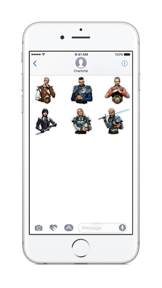


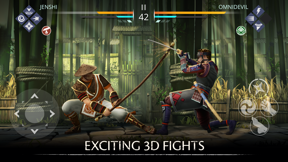
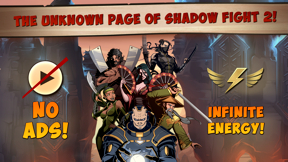









Snapshot
Who is Nekki?
Developing high-fidelity fighting games and animation tools that blend cinematic action with deep RPG mechanics. Empowering creators and players through proprietary technology.
Target audience


Portfolio
Free 8Last updated

Shadow Fight 2 Special Edition
v2.41.9
7mo ago
Publisher DNA
What defines Nekki?
Publisher DNA
Primary focus
Mobile fighting games and 3D animation software
Scale
indie
Target audience
Core mobile gamers and fighting game enthusiasts, alongside 3D animators and developers interested in physics-based motion tools.
Origin
Since 2002, the studio has focused on creating emotionally resonant gaming experiences, reaching over a billion total downloads.
Signature Patterns
- •Consistent use of stylized, silhouette-based or high-fidelity 3D character visuals
- •Deep integration of RPG progression systems within fighting game mechanics
- •Hybrid monetization strategy balancing premium ad-free experiences with freemium IAP models
- •Strong focus on fluid, physics-based movement and martial arts animation
Portfolio momentum
Released 8 updates across 7 active apps in the last 6 months, demonstrating a consistent commitment to maintaining their core fighting game franchises.
Company profile
medium confidence- Founded
- 2002
Portfolio
What does Nekki ship?
Apps
9 apps analysed


Removal of stamina limits in the special edition allows for uninterrupted play sessions without waiting
- Core martial arts combat mechanics deliver a highly immersive and challenging experience for long-term players
- Aggressive forced advertisements appearing after every match disrupt the flow and frustrate returning players

Distributed across 12 markets, strongest in Europe.
Based on 3 of 9 apps with localized market data, more coverage rolling in as scans complete · last scanned .
Americas (3)
- Brazil3 / 3
- Mexico3 / 3
- United States3 / 3
Europe (7)
- France3 / 3
- Germany3 / 3
- Italy3 / 3
- Portugal3 / 3
- Spain3 / 3
›+2 more europe markets
- Netherlands2 / 3
- Sweden2 / 3
Asia-Pacific (2)
- Japan3 / 3
- South Korea3 / 3
Core markets (3/3 apps)
User Sentiment
How do users feel about their apps?
1
Positive apps
2
Neutral / mixed
0
Negative apps
55/100
Avg sentiment score

Unlock the app dragging this portfolio down.
Access the full report for freeRivals
Who does Nekki compete with?
The rivals identified
Nemeses(5)


Provides a simplified stickman combat alternative for players seeking quick, accessible fighting sessions.

known for City Fighter vs Street Gang
Targets the same casual fighting audience through an arcade-style beat-em-up progression loop.


Both apps compete for the same casual parkour-runner audience, sharing core gameplay loops centered on high-speed movement and trick-based mechanics.


Shadow Fight 2 competes for the same action-RPG fighting audience by offering a similar martial arts combat loop and progression system, creating direct competition for player time and retention.


Both titles target casual mobile gamers interested in ninja-themed action fighting, creating direct competition for time spent in short-session combat loops.
Contenders(16)


Targets the same ninja aesthetic but focuses on hyper-casual slicing mechanics rather than deep RPG progression.


Targets the ninja-themed fighting audience with a variety of game modes including story and multiplayer.


Both apps compete for the casual arcade runner audience, with Endless Escape: Subway Running challenging the player base by offering offline-capable gameplay that Vector Classic currently restricts.


Targets the same casual sports-game audience as Vector Classic but relies on a nostalgic racing loop rather than high-fidelity animation.


Both apps compete for the same parkour endless runner audience, targeting players seeking high-intensity movement mechanics within the mobile arcade sub-genre.


Both apps target the parkour endless runner category, competing for the same casual mobile gaming audience through identical core mechanics of vaulting and sprinting through urban environments.


Both titles target the parkour-runner audience, with Obby Parkour capturing users seeking block-world aesthetics and offline-capable platforming.


Both titles target the physics-based arcade runner segment, competing for players seeking skill-based movement mechanics rather than generic lane-switching gameplay.


Both apps target the 3D martial arts combat audience on mobile, creating a direct overlap in player interest for fighting mechanics.


Both apps compete for the same parkour-runner audience by offering movement-focused arcade gameplay, creating direct overlap in the casual runner segment.


Both titles target the same casual arcade parkour audience, competing for time share within the runner sub-genre.


Both apps target casual gamers interested in reflex-based parkour runners, creating direct competition for the same player segment.


Both titles target the martial arts combat niche, with the rival offering an offline-first experience that directly addresses the connectivity-dependent stability issues reported by users of the source app.


Both titles target the martial arts fighting RPG segment, competing for users seeking offline-capable progression and character-based combat.


Both apps target casual gamers interested in parkour-themed obstacle courses, competing for the same arcade runner audience through shared core mechanics.


Both apps target the parkour-themed endless runner audience, creating direct competition for casual players seeking skill-based arcade movement.
Same space(61)


Combines Karate and Kung Fu themes, catering to players who enjoy traditional martial arts fighting games.


Focuses on the martial arts combat theme, offering a simpler arcade experience for fighting game fans.


Serves the karate fighting audience with a focus on self-defense and combat techniques.


Shadow Hunter: Special Edition is a direct premium-model competitor that mirrors the Special Edition's ad-free value proposition.


Offers a 3D shadow ninja RPG experience that aligns with the core aesthetic of the source app.


Targets the same urban-themed parkour audience as Vector Classic through realistic physics-based rooftop navigation.


Appeals to the competitive fighting audience by prioritizing technical, timing-based combat over arcade-style button-mashing.


Shares the dark fantasy RPG theme and 3D visuals, competing for the same mid-core player base.


Targets the same urban-runner audience as Vector Classic with a focus on simple touch-based ninja action.


Appeals to the same parkour-themed stunt audience as Vector Classic by using a physics-based ragdoll system to drive gameplay.


Shares the multiplayer arena focus but differentiates through a fairy-tale aesthetic and multi-mode brawling.


Provides a relaxing sorting experience similar to Lintrix, using an ant colony theme to differentiate its puzzle delivery.


Competes for the same casual runner audience by leveraging a distinct character-driven persona and offline-first accessibility.


Targets the minimalist runner segment with an offline-first architecture for short-session play.


Blends puzzle-matching with RPG elements, offering a more complex progression than the campaign-driven Lintrix.


Targets the superhero fighting segment with a story mode and hero customization.


Targets the same puzzle-solving audience with a focus on spatial reasoning and neon-themed logic.


Competes for short-session fighting time using ragdoll physics, though it lacks the depth of hero collection.


Shares the casual puzzle category but relies on an ad-dense model that contrasts with the premium approach.


Targets the same casual puzzle audience through color-matching mechanics, though it uses a plant-growth progression system.


Offers a similar logic-based sorting experience but utilizes aggressive ad-supported monetization that differs from the ad-free design.


Street Fighter IV CE provides a similar premium-purchase experience for fighting game purists who value arcade-port fidelity.


Targets the martial arts fighting niche with simple, high-score-based punch and kick mechanics.


Appeals to casual players with a registration-free, pixel-art ragdoll fighting experience.


Targets casual parkour players with obstacle-course challenges that contrast with the dystopian aesthetic of Vector Classic.


Differentiates from Vector by removing ad-monetization in favor of a one-time purchase model.


Features physics-based puzzle mechanics that appeal to the same casual audience as Lintrix.


Focuses on medieval arena duels, providing a direct-control alternative to hero-collection games.


Targets the parkour runner audience with a character-driven narrative involving secret agent missions.


Ronin: The Last Samurai competes for the same high-skill action-RPG audience with a distinct ink-wash aesthetic.


Targets the same reflex-based obstacle course segment, relying on high-frequency gameplay loops to drive ad revenue.


Shares the dark fantasy RPG genre, providing a tactical, narrative-driven alternative for world exploration.


Attempts to capture the same casual obstacle-course audience as Vector Classic but fails to retain players due to technical and monetization friction.


Competes for the same casual puzzle time, though it uses an ad-heavy model rather than a one-time purchase.


Shares the dark fantasy ninja theme and RPG progression, serving as an alternative for action-RPG enthusiasts.


Targets the fantasy combat audience with an auto-battle RPG system that simplifies manual fighting.


Aligns with the ad-free preference of Lintrix players by offering a distraction-free experience.


Provides a 3D parkour simulation that emphasizes technical skill acquisition through a dedicated school mode.


Targets the physics-simulation segment of the parkour market with a focus on ragdoll-based stunt failures.


Focuses on the shadow warrior theme, providing a tournament-style fighting experience for martial arts fans.


Marvel Contest of Champions competes for the same fighting-RPG audience but uses a live-service model to maintain engagement.


Shifts the parkour focus toward puzzle-adventure mechanics within a prison setting, appealing to a different segment of the casual runner audience.


Shares the parkour-themed runner genre while focusing on high-speed reflex testing across hundreds of levels.


Shares the casual puzzle space but relies on freemium monetization, contrasting with the premium model of Lintrix.


Targets the same casual physics-based parkour audience as Vector Classic using a trick-focused gameplay loop.


Provides a 3v3 arena-based combat experience for players interested in team-based martial arts fighting.


Provides an authentic arcade fighting experience for subscribers, acting as a retention tool for the Netflix platform.


Provides a puzzle-action experience that requires timing, mirroring the action-puzzle nature of Lintrix.


Uses a similar shadow-themed aesthetic but shifts to a casual stickman arcade brawler format.


Focuses on spatial puzzle logic, appealing to the same casual demographic as Lintrix.


Targets the same casual puzzle audience with a long-term progression model that contrasts with the campaign-based structure of Lintrix.


Offers a parkour platformer experience with a focus on global leaderboards and character customization.


Appeals to the same 3D action audience by focusing on stage-based superhero combat rather than multiplayer arenas.


Offers a realistic sports-themed combat alternative that focuses on league progression and gear upgrades.


Serves a simulation-focused subset of the parkour audience by providing a physics-based control system that contrasts with the arcade-runner style of Vector Classic.


Uses physics-based mechanics to solve puzzles, similar to the action-puzzle focus of Lintrix.


Real Boxing serves as a static, maintenance-mode simulation peer that shares the Special Edition's lack of live-ops updates.


Targets the gladiator combat niche with online PvP tournaments and story-based progression.


Glory Ages - Samurais offers a tactical, AI-driven alternative for players who prioritize strategic sword fighting over RPG mechanics.


Injustice 2 provides a high-fidelity, DC-branded alternative for players who prefer team-based 3v3 combat.


Offers a logic-based puzzle experience, though it employs a subscription model rather than a one-time purchase.
New entrants(3)


Targets the medieval sword fighting audience with a focus on timing and gear collection.


Provides a technical wrestling simulation for fans who prefer combo-based combat over button mashing.


MMA Tactics: Martial Arts serves as a high-difficulty management simulation for players who prefer tactical depth over real-time combat.
The Analyst's Read
The bottom line on Nekki
Bottom line
Nekki is a technically sophisticated studio that has successfully leveraged its animation expertise to dominate the mobile fighting niche. Their expansion into professional animation software suggests a long-term strategy to monetize their internal tech stack beyond the volatile mobile gaming market.
Frequently asked questions
How many apps does Nekki publish?
What kind of apps does Nekki make?
What is Nekki's top app?
In how many countries are Nekki's apps available?
What fed this analysis
- Apps analyzed:
- 9
- With full intel:
- 0
- With overview:
- 9
- Website scraped:
- yes
- Social presence:
- yes
