

OLEKSANDR YASHCHUK
 Calorie Counter: TrackAI




Snapshot


Publisher DNA
What defines OLEKSANDR YASHCHUK?
AI intelligence is not yet available for OLEKSANDR YASHCHUK. The portfolio data below is up to date.
Portfolio
What does OLEKSANDR YASHCHUK ship?
Apps
2 apps analysed

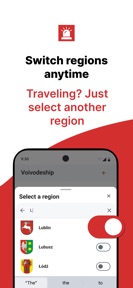
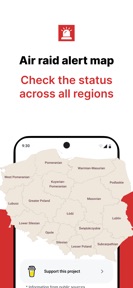
Air raid alert in Poland - real-time push notifications and siren warnings


Analysis in progress
Europe-centric footprint across 6 markets.
Based on 1 of 2 apps with localized market data, more coverage rolling in as scans complete · last scanned .
Americas (1)
- United States1 / 1
Europe (5)
- France1 / 1
- Germany1 / 1
- Italy1 / 1
- Portugal1 / 1
- Spain1 / 1
Core markets (1/1 apps)
Rivals
Who does OLEKSANDR YASHCHUK compete with?
The rivals identified
Nemeses(1)

Both applications target users seeking weight management through AI-driven nutritional tracking and automated food logging. They compete directly for the same audience by offering automated calorie and macronutrient monitoring.
Contenders(10)


Both apps target users managing weight and nutrition, competing for the same daily logging habit through different input mechanisms.


Both apps target weight management through nutritional tracking, with TrackAI focusing on AI-driven image recognition while Fatsecret relies on a massive, established food database and professional health practitioner integration.


Fitia competes with TrackAI by targeting the same weight management demographic through automated food logging, utilizing a similar AI-based image recognition mechanism for meal tracking.


Both apps compete for users seeking automated nutritional tracking by utilizing AI-powered image recognition to log meals.


Cal AI is a direct competitor that uses similar photo-based nutrition analysis but has achieved significantly higher scale despite current stability issues.


Journable targets the same nutritional tracking audience as TrackAI by offering competing AI-powered photo logging and meal analysis tools.


Both apps target weight management through AI-powered meal photo analysis, creating direct competition for users seeking automated nutritional logging.


Both apps target weight management through AI-driven nutritional tracking, competing for the same user base seeking to reduce manual logging friction.


Both apps target weight management through automated photo-based food logging, creating direct competition for users seeking to minimize manual data entry.


Both apps target weight management through AI-powered image recognition for food logging, creating direct competition for users seeking automated nutritional tracking.
Same space(20)


This app provides a similar AI-based food scanning utility to TrackAI but focuses on a broader range of nutritional metrics like protein and fat.


Simple uses a gamified AI persona to differentiate its weight loss coaching from the more utility-focused tracking in TrackAI.


CalCountAI is a direct functional peer that uses AI food recognition to automate the same nutritional tracking tasks as TrackAI.


BetterMe offers a comprehensive wellness platform that integrates fitness and mental health, providing a broader scope than TrackAI's nutrition-focused utility.


This app provides a similar AI-based meal scanning utility to TrackAI, focusing on streamlining the calculation of macronutrients.


This app provides a standard nutrition tracking experience that acts as a general-purpose alternative to TrackAI's AI-focused logging.


This app targets a specific medical demographic, using AI scanning to help users manage diabetes through ingredient-level nutrition tracking.


SmartDiet acts as a simple, manual alternative for users who want to track body metrics alongside weight without the complexity of AI food analysis.


MenuFit specializes in restaurant-specific nutritional analysis, providing a niche utility for users who struggle to track calories while dining out.


Calorize uses a conversational AI assistant to handle logging, offering a more natural interface than the photo-only approach of TrackAI.


MacrosFirst appeals to power users who require higher data precision than TrackAI's AI-estimated calorie counts can provide.


Calo competes directly with TrackAI by offering AI-powered food logging that caters to specific dietary preferences like keto and paleo.


Noom targets the same weight-conscious audience as TrackAI but shifts the focus from simple calorie counting to behavioral psychology and clinical support.


Processed serves as a specialized ingredient analysis tool that complements TrackAI by identifying ultra-processed foods via barcode and ingredient list scanning.


Carbon provides a science-based, automated coaching alternative for users who want structured macro adjustments without manual planning.


This app serves as a basic weight-tracking utility for users who prefer manual progress monitoring over the automated AI-driven nutritional analysis found in TrackAI.


MacroFactor competes by offering an automated, algorithm-driven approach to metabolic tracking that appeals to data-focused users.


EatDot combines intermittent fasting with AI-powered meal logging, providing a dual-purpose tool for users managing both timing and intake.


Cal AI is a direct competitor that uses similar photo-based nutrition analysis but has achieved significantly higher scale despite current stability issues.


Muscle Booster focuses on structured fitness planning and biometric tracking, serving as a workout-centric companion to TrackAI's nutritional focus.
New entrants(1)


Kova links food intake with blood sugar monitoring, providing a specialized tracking solution for users who need to see the physiological impact of their diet.
